Overwintering potted plants: when and where, by plant
By the GardenWorld editorial team, updated on
Want to see this in your garden?
Full design in HD: €7.99
Overwintering potted plants starts with sorting them. Citrus, fuchsia, pelargonium and evergreen agapanthus cannot take frost and have to be indoors before the first night frost, usually mid to late October. Olive, oleander, bay and rosemary cope with light frost and only come in, or go under fleece, when it gets colder than about -5°C. The best winter spot for nearly all of them is bright and cool, between 2 and 12°C, with very little water. A warm living room is the worst choice.
Overwintering potted plants by species
| Plant | Bring in | Winter spot | Water |
|---|---|---|---|
| Lemon and other citrus | Before the first night frost, when nights are around 5°C | Bright, 5 to 12°C | Moderate, never let the root ball dry out completely |
| Fuchsia (not hardy) | Before the first night frost | 5 to 10°C, can be dark once the leaves are off | Almost dry |
| Pelargonium | Before the first night frost | Bright, 5 to 10°C | Little |
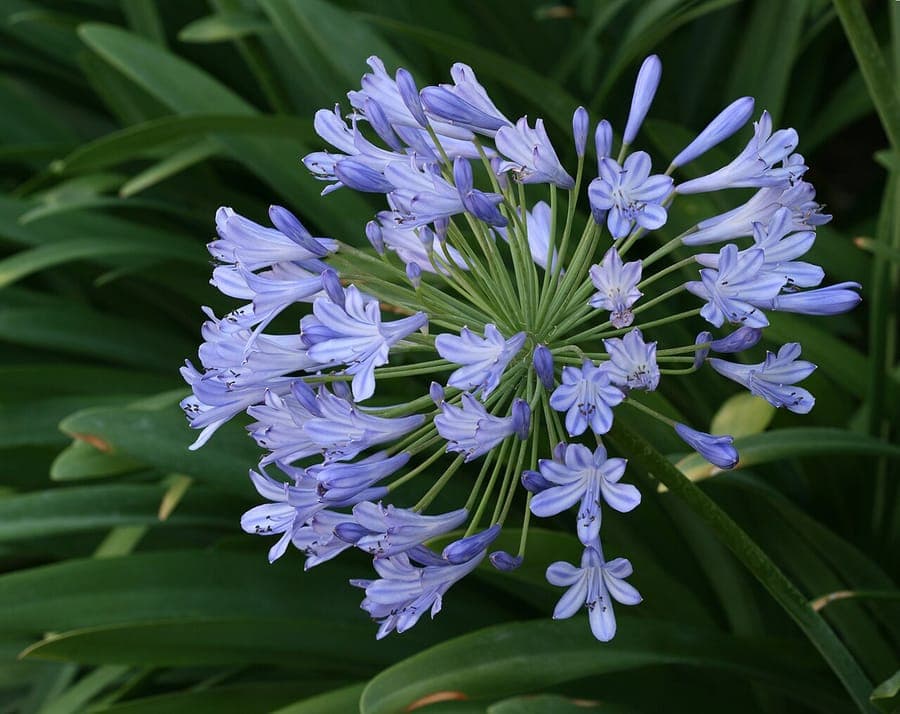
| Agapanthus, evergreen | Before the first frost | Bright and cool, below 10°C | Almost dry |
| Agapanthus, deciduous | After the first light frost | Cool and frost-free, can be dark | Dry |
| Oleander | When frost drops below -5°C | Bright, 2 to 10°C | Little |
| Olive | In prolonged frost below -5°C | Bright and unheated, 0 to 10°C | Little |
| Bay | When frost drops below -5°C | Bright and unheated, 0 to 10°C | Little |
| Rosemary | When frost drops below -5°C, otherwise protect outdoors | Bright and unheated | Sparingly, on frost-free days |
The main rule: the cooler, the less light and water
A container plant kept cool goes dormant. It does not grow, uses very little and so needs little light and water. In a warm room it keeps growing while the daylight is too weak: the shoots turn long and limp, the leaves drop, and spider mite and scale insects move in. Good places are an unheated bedroom, a garage with a window, a stairwell, a cold greenhouse or a conservatory. Ventilate on mild days and check the foliage every two weeks.
Only water when the top few centimetres of compost are dry, and then just a little. Wet, cold compost leads to root rot. How to check plants for pests and clean them before the move is covered in bringing potted plants indoors; what to do about spider mite on container plants and scale on citrus and olive is in the separate guides.
Olive, oleander, bay and rosemary: outside for as long as possible
These Mediterranean plants need cold and light in winter. So leave them outside for as long as you can, against a south-facing wall and out of the wind. In open ground an established olive or rosemary takes more frost than in a pot, where the roots are not protected by the soil. Wrap the pot in hessian or bubble wrap, stand it on pot feet and throw a fleece over the crown on a cold night. Give a little water on frost-free days: evergreens dry out in winter more often than they freeze.
If a longer spell of frost below -5°C is forecast, move them to a bright, unheated room and put them back outside as soon as it turns milder. In mild coastal areas, such as western France, the south-west of England and the Mediterranean coast, they usually stay out all year. In inland Germany, eastern France and colder parts of Britain they are better off indoors from November. There is more on the olive in olive trees outdoors and on rosemary in overwintering rosemary in a pot.
Free preview
Create your own garden design
Agapanthus: evergreen or deciduous
With agapanthus everything depends on the type. Evergreen species such as Agapanthus praecox and Agapanthus africanus keep their broad leaves and cannot take frost: put them somewhere bright and cool before the first frost. Deciduous agapanthus has narrower leaves that die back in autumn. It is hardier and in mild areas can stay in the ground under 10 to 15 cm of mulch. In a pot, store it frost-free, in the dark if need be.
Both types only flower well after a cool rest. An agapanthus kept warm all winter mostly produces leaves the following year. Keep the compost almost dry and only water more from March.
Citrus and fuchsia: indoors before the first night frost
Citrus wants the brightest window you have and a temperature between 5 and 12°C. Leaf drop indoors is usually caused by too little light combined with too much warmth, or by wet compost; see lemon tree dropping leaves indoors. Cut a fuchsia back by about a third before it comes in, as explained in pruning fuchsia for overwintering. Without leaves it can stand dark and cool.
When to put them out again
Olive, bay, oleander and rosemary can go back out from April, with a fleece within reach; see putting Mediterranean plants out in April. Citrus, fuchsia and pelargonium wait until after mid-May. Stand each plant in the shade for a week or two first, otherwise the leaves scorch. If you do not know which container plant you were given or bought, identify the plant from a photo and then look it up in the table. If you want to give the pots a permanent, sheltered place, use a garden design on your own photo to see how the terrace would look. The other winter jobs are in getting your garden ready for winter.
Step by step
Step 1: Sort by frost tolerance
Separate what cannot take frost (citrus, fuchsia, pelargonium, evergreen agapanthus) from what copes with light frost (olive, oleander, bay, rosemary).
Step 2: Check and clean
Look under the leaves for aphids, spider mite and scale, and remove dead leaves and spent flowers.
Step 3: Choose a bright, cool spot
Move the tender plants to a place of 5 to 12°C with daylight before the first night frost. The tough ones stay outside against a wall.
Step 4: Water sparingly
Only water when the top few centimetres are dry and never leave water standing in the saucer.
Step 5: Ventilate and check every two weeks
Open a window on mild days and remove affected or mouldy leaves straight away.
Step 6: Acclimatise the plants in spring
From April, or after mid-May, stand them in the shade and out of the wind for a week or two first.
The last good moment
For citrus, fuchsia, pelargonium and evergreen agapanthus the evening before the first night frost really is the last chance: a single night below zero can be enough to cause damage. Olive, oleander, bay and rosemary can still be moved on the day hard frost is forecast. The tender plants only go back out after mid-May.
Frequently asked questions
When should potted plants come indoors?
Tender plants such as citrus, fuchsia and pelargonium before the first night frost, usually mid to late October. Olive, oleander, bay and rosemary only when it gets colder than about -5°C. Go by the forecast, not by a fixed date.
Can an olive tree in a pot stay outside in winter?
Yes, in mild winters and in a sheltered spot. Wrap the pot, stand it against a wall and put a fleece over the crown in hard frost. In prolonged frost below -5°C a bright, unheated room is safer, because roots in a pot freeze sooner than in the ground.
How do you overwinter an agapanthus?
Put an evergreen agapanthus somewhere bright and cool, below 10°C, before the first frost and keep it almost dry. A deciduous agapanthus can stand dark and frost-free, or in mild areas stay in the ground under a thick layer of mulch. Do not keep it in a warm room, because without a cool rest it flowers poorly.
How do you overwinter rosemary in a pot?
Leave it outside against a sunny wall, with the pot wrapped and on pot feet. When frost drops below -5°C, put a fleece over the plant or move it temporarily to a bright, unheated room. Give a little water on frost-free days and do not put it in the living room.
Can potted plants overwinter in a dark garage?
Only plants that lose their leaves, such as a cut-back fuchsia or a deciduous agapanthus, and only if it is cool and frost-free. Evergreens such as citrus, olive and oleander need daylight in winter too. Without light they drop their leaves.
Create your own garden design
Upload a photo, pick a style, and get a photorealistic design with plant list in under a minute.
Full design in HD: €7.99


Related articles
 Seasonal Tips
Getting your garden ready for winter: weekly checklist
Getting your garden ready for winter runs from mid-October to late November. Week by week: pots, lawn, pond, tap and frost protection, and what to leave.
 Seasonal Tips
Bringing potted plants indoors: when and how
Your potted plants cannot survive frost. Find out exactly when to bring them indoors, how to check for pests first, and how to care for them until spring.
 Seasonal Tips
Protecting plants from frost: fleece, mulch, mistakes
Protecting plants from frost: 5 to 10 cm of mulch on the roots in November and fleece when frost drops below -5°C. Which plants, and what not to do.