

Pruning lavender: when, how deep and by species
By the GardenWorld editorial team, updated on
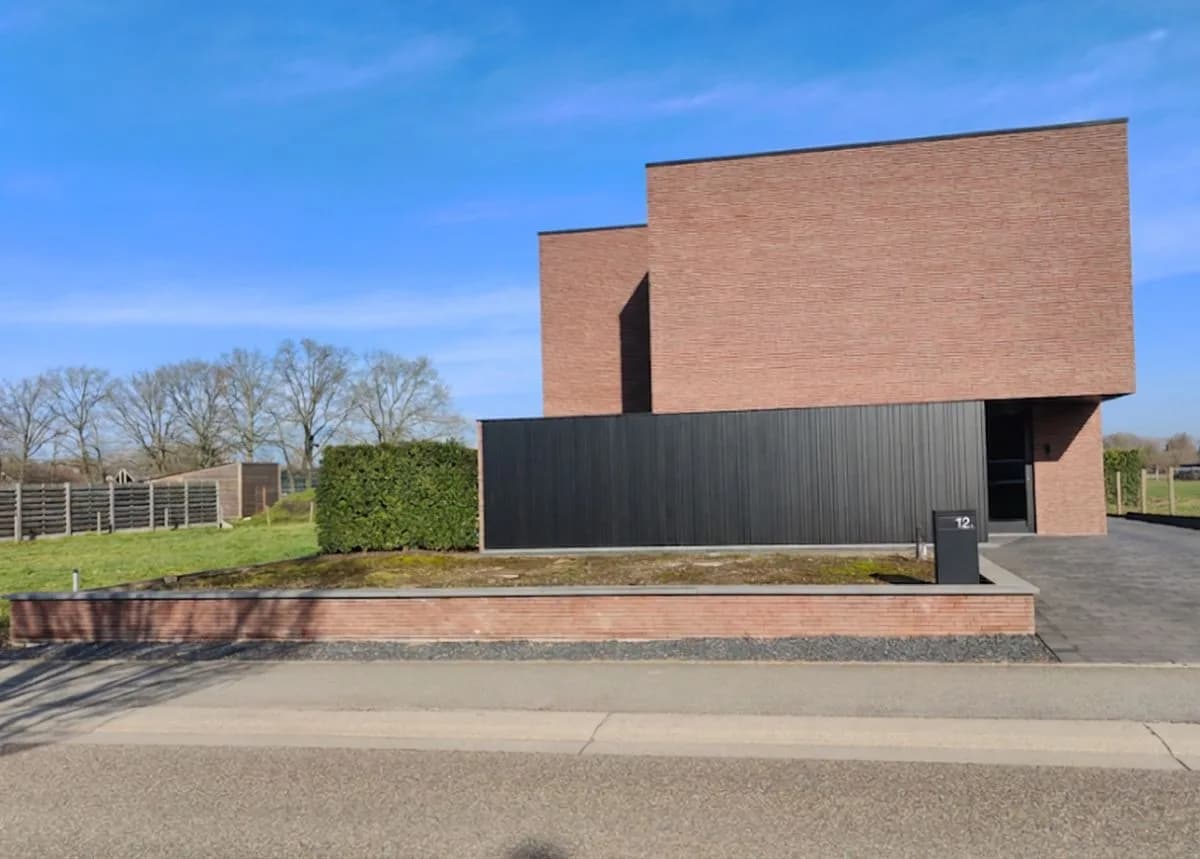
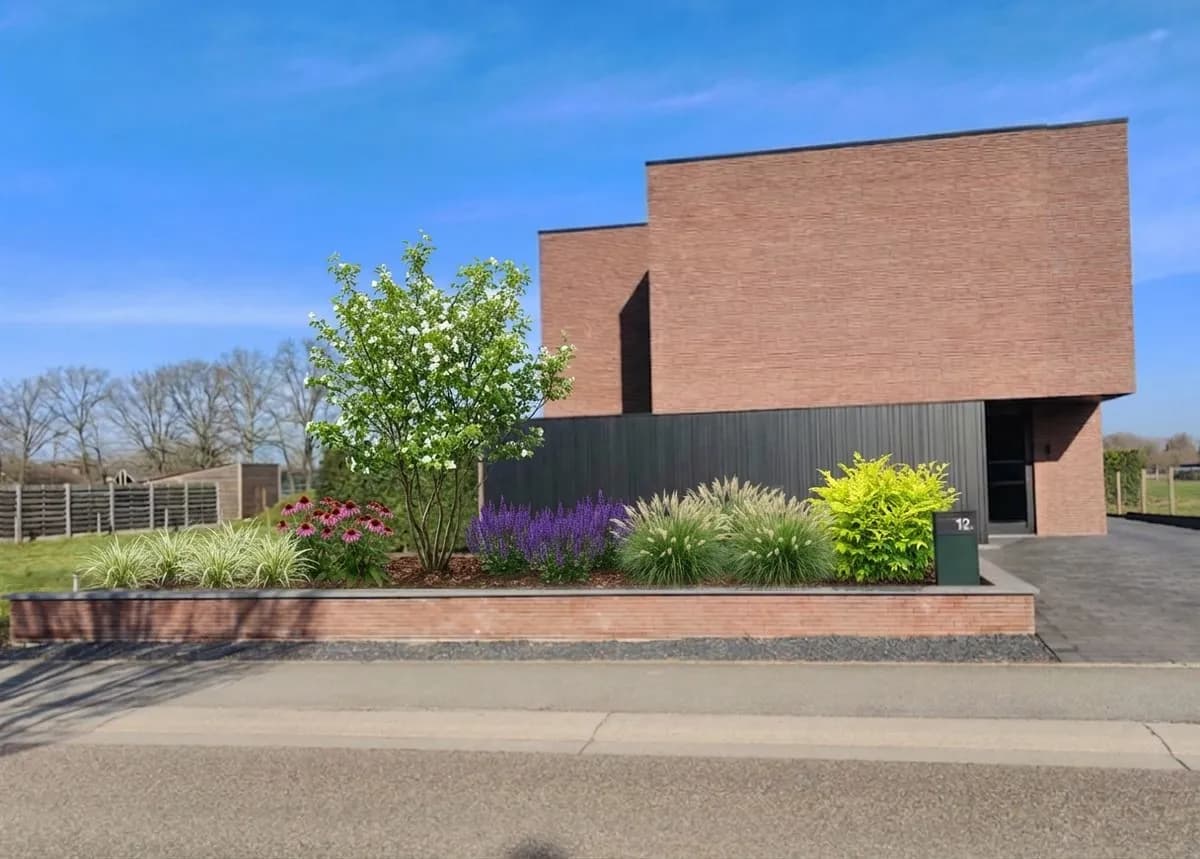
Want to see this in your garden?
Full design in HD: €7.99
Prune lavender twice a year: after flowering, from late July to late August, and in March. After flowering, cut away the spent stems and remove about a third of the plant, down to around 30 cm height. In March, remove dead parts and tidy the mound; if you prefer the main prune in spring, cut true lavender back to 30 to 40 cm, roughly half of last year's growth. In both cases, cut only into the green, leafy part: lavender will not regrow from bare, brown wood. French and Spanish lavender differ, as shown by species in the table below.
Pruning lavender by species and situation
| Species or situation | When | How deep | Guide |
|---|---|---|---|
| True lavender (Lavandula angustifolia) | March; in July and August only spent flowers | In March to 30 to 40 cm, half of last year's growth; never into brown wood | Pruning true lavender |
| French lavender (Lavandula stoechas) | March or April, when the first new leaves appear | About a third of the foliage | Pruning French lavender |
| Spanish lavender (Lavandula pinnata) | March, lightly in May or June and early September | 25 to 30 per cent in March, after first flowering 5 to 10 cm, early September 10 to 15 per cent | Pruning Spanish lavender |
| Young lavender, first prune | March to mid-April | Only the youngest 10 to 15 cm of green growth | Pruning lavender for the first time |
| Summer prune, second prune | July to mid-August | Flowers plus 5 to 10 cm of green below | Pruning lavender for the second time |
| After flowering in August | Mid to late August | A third of the length, into the green wood | Pruning lavender in August |
| Preventing woodiness | Every year directly after flowering | To about 30 cm, into the green foliage | Preventing woody lavender |
| Woody, bare lavender | March | To 15 to 20 cm, only if the wood is still green | Rescuing woody lavender |
| Rejuvenating over three years | March lightly, August firmly | March to 40 to 45 cm, August to 30 to 35 cm | Three-year rejuvenation plan |
Young lavender: the first prune

Prune young lavender for the first time in early spring, from March to mid-April, when no severe frost is expected. Cut away only the youngest 10 to 15 cm of green growth and shape the shrub into a rounded half-dome. This first prune establishes the foundation for a compact plant; how to approach it is explained in pruning lavender for the first time. Leave a newly planted French lavender untouched for the first season, as described in pruning French lavender.
Mature lavender: two pruning times per year

Photo by Cord Allman on Unsplash
For mature true lavender, the prune after flowering is most important. When most flowers have dried, cut off the flower stems and remove about a third of the length, so the plant regrows from below. Within two to three weeks, new shoots appear. Exactly when and how deep is explained in pruning lavender in August and in pruning lavender for the second time.
In March follows the second prune: remove dead stems from last year, trim protruding branches and restore the dome shape. These two prunes together keep the shrub compact; why this prevents woodiness is explained in preventing woody lavender. Lavandin (Lavandula x intermedia), such as 'Grosso', is pruned the same way; this large species tolerates hard pruning well, to a third of the height, as explained in pruning lavender a second time.
Free preview
Create your own garden design
After flowering or in March?
You may choose which of the two prunes is the main one. The guide for true lavender places the main prune in March: the whole plant back to 30 to 40 cm, roughly half of last year's growth, and in summer only the spent flowers removed. The guides on August and preventing woodiness place the emphasis directly after flowering, with only a light shaping prune in March. Choose one of the two as the main prune and keep the other light. The rule remains the same in both cases: always cut just above the lowest green growth and never into bare wood.
Woody or neglected lavender
If your lavender is bare and woody at the base, first check whether there is still life in it. Bend a lower branch: if it breaks immediately, it is dead. Scratch away a small piece of bark: if there is green underneath, the plant can recover. In that case, cut it back to 15 to 20 cm in March and ensure well-drained soil, as explained in rescuing woody lavender. If you prefer to work gradually, follow the three-year rejuvenation plan. If nothing grows from the brown wood, a new plant is usually the better choice.
French and Spanish lavender
French lavender (Lavandula stoechas) is more sensitive to wet winters and should be pruned only in March or April, when the first new leaves appear. In summer, remove only spent flowers; do not prune in autumn. Spanish lavender (Lavandula pinnata) flowers for longer and tolerates more pruning sessions: a shaping prune in March, a light prune after the first flowering in May or June and another light one in early September. If you are unsure which lavender you have, see which lavender species to choose. If you are still looking for a spot for lavender, you can first try it out in a garden design of your own garden and see how the shrubs look along the path or in the border.
Step-by-step plan
Step 1: Choose the moment after flowering
Wait until most flowers have dried, usually between late July and late August. Prune on a dry day and not during flowering.
Step 2: Find the boundary between green and brown wood
Look below the flower stems where the green, leafy part transitions to bare, brown wood. Do not cut below that boundary.
Step 3: Cut away the flower stems and a third of the foliage
Using sharp secateurs or hedge shears, remove the spent stems together with about a third of the length, down to around 30 cm height for a mature shrub. Stay in the green growth.
Step 4: Shape the shrub into a rounded form
Cut the top slightly less than the sides, creating a rounded, compact dome. This allows rain to run off well and prevents the shrub from splitting open.
Step 5: Clear up and water during drought
Remove the prunings and water for the first two weeks if it is dry, without letting the soil remain waterlogged. Within a few weeks, new green growth appears.
Step 6: Tidy the shrub in March
In March, remove dead stems and twigs, trim protruding shoots and restore the dome shape. Again, do not cut into brown wood.
The last good moment
Prune by late August at the latest, at most early September if flowering is late. From September onwards, lavender regrows more slowly and in October and November you should not prune at all: fresh pruning wounds and young shoots will suffer frost damage. If you are too late, leave the plant until March.
Rejuvenating: how far can you cut back?
Lavender will not regrow from bare, brown wood, so how far back you can cut depends on where the green growth stops: always stay just above the lowest green leaves. A woody plant can be cut back to 15 to 20 cm in March, but only if there is still green under the bark; otherwise replacement is better. Allow a season for it to fill out again.
Can you prune wrongly? The most common mistakes
Yes. The three most common mistakes: cutting into brown, bare wood (nothing will regrow there), pruning too late in the year, in October or November, and not pruning for years, causing the shrub to become bare at the base and fall apart. Waterlogged roots also kill many lavenders: plant in well-drained soil.
Frequently asked questions
How to prune French lavender?
Prune French lavender (Lavandula stoechas) in March or April, when the first new leaves appear. First remove the dead wood, then cut back about a third of the foliage, just above a leaf or visible bud. In summer, remove only spent flowers and do not prune in autumn.
How tall does lavender angustifolia grow?
True lavender (Lavandula angustifolia) grows to about one metre tall. Compact varieties remain lower: 'Munstead' around 40 cm and 'Hidcote' around 45 cm. With annual pruning, you keep the shrub compact and full.
What happens if you do not prune lavender?
The shrub becomes woody: after two to three years it becomes bare at the base and flowers only at the top on long stems. Because lavender does not regrow from old wood, this is difficult to remedy. An unpruned lavender often needs replacing after five to six years, while a pruned one lasts much longer.
How short can you prune lavender?
As short as the green growth extends: cut just above the lowest green leaves and never into bare, brown wood. For a healthy, annually pruned shrub, this amounts to about 30 cm after flowering. A woody plant can be cut back to 15 to 20 cm in March, but only if there is still green under the bark.
Should you prune lavender in a pot differently?
No, prune lavender in a pot at the same times and to the same depth as lavender in the ground. Pay extra attention to drainage: the pot must have holes in the bottom and the soil must not remain waterlogged. A pot of about 15 to 20 litres is sufficient.
Create your own garden design
Upload a photo, pick a style, and get a photorealistic design with plant list in under a minute.
Full design in HD: €7.99
Related articles
 Planting
How to prune true lavender (Lavandula angustifolia)
Lavandula angustifolia needs annual pruning after bloom. Learn how to keep your lavender shrub healthy, compact, and floriferous.
 Seasonal Tips
Lavender pruning in August: post-bloom care
August, after blooming, is the ideal time to cut back lavender. This promotes compact growth and prevents becoming woody.
PlantingWhen to prune lavender for the first time: complete guide
First lavender pruning shapes your plant for years. Learn exactly when and how to prune young lavender for full, healthy shrubs.