
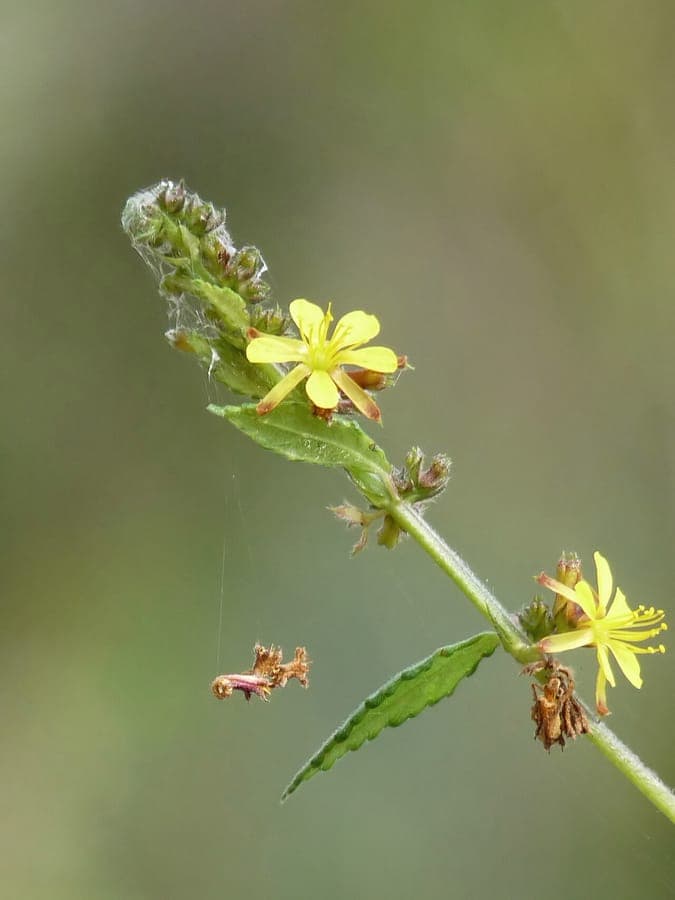
Jeevan Jose, Kerala, India / CC BY-SA 4.0, via Wikimedia Commons
Chinese-bur (Triumfetta rhomboidea): complete guide
Triumfetta rhomboidea
Want to see Chinese-bur (Triumfetta rhomboidea): complete guide in your garden?
1 minute, no credit card
Overview
Triumfetta rhomboidea, known as Chinese-bur or burflower-tree, is a vigorous fast-growing shrub native to tropical and subtropical regions of the old world. This resilient plant grows quickly and can become quite large. The plant is particularly known for its interesting, spiny seed fruits that stick to the plant.
The plant grows best in warm climates and can thrive well in poor soil. Despite its modest appearance, it is a practical plant for landscape design in dry, warm areas.
Appearance and Bloom
Triumfetta rhomboidea is an irregularly growing shrub with small, rough leaves that are rhombus-shaped. The leaves are rough-hairy and have a dull green color. The flowers are small, yellow blooms appearing in leaf axils.
The fruits are the most striking feature. They are approximately 1 cm in size and covered with very fine spines that easily adhere to clothing or fur. This seed dispersal by animals is an interesting botanical adaptation.
Ideal Location
Triumfetta rhomboidea thrives most in full sun and loves warmth. The plant can also grow in partial shade but blooms less. Plant it in warm, sheltered locations protected from strong wind and frost.
The plant works well as screening shrub, hedge, or background in tropical gardens. It can also grow in containers in temperate climates.
Soil
Triumfetta rhomboidea is not fussy about soil type and grows in both sandy and clay soils. The plant can even grow in poor, lean soil. Well-drained soil is preferred. The plant is very drought-tolerant and can survive long periods without water.
Add organic matter when planting, although this is not necessary. The plant is also salt-tolerant.
Watering
Triumfetta rhomboidea is very drought-tolerant. Once established, it requires minimal watering. Water regularly in the first year to establish a good root system. After that, you can significantly reduce watering.
Avoid waterlogging, especially in winter. The plant grows better in dry conditions.
Free design
Want to see Chinese-bur (Triumfetta rhomboidea): complete guide in your garden? Make a free design now.
Pruning
Triumfetta rhomboidea grows quickly and can tolerate substantial pruning. Prune in late winter or early spring for better shaping. Remove dead or diseased branches. The plant can also be heavily pruned back to maintain form.
Because the spiny fruits stick to animals, you should be careful when handling the plant.
Maintenance Calendar
- Spring: Prune for form, water regularly
- Summer: Enjoy flowers, water sparingly
- Fall: Check for diseases, seed fruits forming
- Winter: Protection in cold regions, winter pruning possible
Winter Hardiness
Triumfetta rhomboidea is not winter-hardy in cold climates. It grows best in USDA zones 10-12. In temperate climates, it can grow in containers and be brought indoors for winter protection. In very cold areas, it may die back to the ground during frost periods.
You can protect the plant with mulch around the base in moderately cold areas.
Companion Plants
Triumfetta rhomboidea works well with other tropical shrubs and heat-loving plant material. Combine it with other drought-tolerant plants for a coherent xeriscaping design. In warmer gardens, it can be used as background for more colorful flowering species.
The plant attracts birds and insects that feed on the seeds.
Closing
Triumfetta rhomboidea is a practical choice for those seeking a fast-growing, resilient shrub in warm, dry climates. Although not spectacular in bloom, the plant offers botanical interest through its unique seed dispersal. With minimal care, you can enjoy this plant for years as a structural element in your garden.
Perfect for gardenworld.app users designing dry, tropical gardens. Discover more low-maintenance options on gardenworld.app!
Want to see Chinese-bur (Triumfetta rhomboidea): complete guide in your garden? Make a free design now.
Upload a photo, pick a style, and get a photorealistic design with plant list in under a minute.
No credit card required


Similar plants
Crimean linden: complete guide
Tilia × euchlora
Crimean linden is an elegant, fast-growing shade tree ideal for large gardens. Discover cultivars, spacing, maintenance tips and winter hardiness.
California flannelbush: complete guide
Fremontodendron californicum
Everything about California flannelbush (Fremontodendron californicum): sunny placement, drainage, pruning and care for this spectacular yellow-flowering shrub.
Hairy rose mallow: complete guide
Hibiscus moscheutos subsp. lasiocarpos
Full growing guide for hairy rose mallow (Hibiscus moscheutos subsp. lasiocarpos): location, soil, watering, winter hardiness and garden design tips.