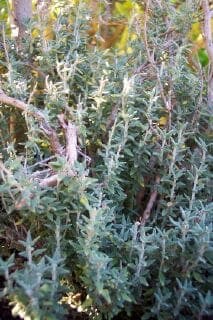
Wikimedia Commons / CC BY-SA 3.0, via Wikimedia Commons
Cat Thyme: complete guide
Teucrium marum
Want to see Cat Thyme: complete guide in your garden?
Full design in HD: €7.99
Look after your Cat Thyme with the GardenWorld app
Identify plants with your camera and get a care calendar with reminders for this plant.


Overview
Cat Thyme (Teucrium marum), also called Cat Germander, is a compact Mediterranean herbaceous shrub from the Lamiaceae family. Native to West and Central Mediterranean regions, particularly Corsica and Sardinia, this aromatic herb is popular in Mediterranean gardens and wildlife schemes. The plant attracts bees, butterflies, and beneficial insects.
Appearance and Bloom
Cat Thyme grows as a compact mound reaching approximately 40-60 centimeters high with dense leafy stems. Small, dark green leaves have fine texture and aromatic fragrance. From May through August, beautiful purple flowers appear in dense clusters. Flowers attract pollinators and provide excellent nectar.
Ideal Location
This plant thrives in full sun conditions. Position in sunny locations receiving minimum 8 hours of direct sunlight. Cat Thyme tolerates partial shade but flowers less prolifically. An open, airy location prevents fungal disease development.
Soil
Cat Thyme prefers acidic to very acidic soils with pH 5.0-5.5. Well-draining soil is essential for healthy growth. Poor, stony soils are well tolerated. Heavy clay soils require amendment with sand and compost.
Watering
Water regularly after planting until established. Mature plants are drought tolerant and need minimal water. In warm periods, weekly watering suffices. Excess moisture must be avoided to prevent root rot.
Free preview
Want to see Cat Thyme: complete guide in your garden? Make a free preview of your design.
Pruning
Light pruning after flowering maintains compact form. Remove dead or damaged branches year-round. After harsh winters, some frost damage may occur. Careful pruning encourages strongest regrowth.
Maintenance Calendar
March-April: Light pruning, stimulate new growth. May-August: Flowering period, water regularly. September-October: Seed maturation, harvest for birds. November-February: Winter dormancy, minimal care.
Winter Hardiness
Cat Thyme is frost sensitive and suitable only for USDA zones 8-9 (minimum -12 to -7 degrees Celsius). In colder regions, grow in containers and overwinter indoors. Wind protection is beneficial.
Companion Plants
Pairs well with other Mediterranean herbs including Lavender, Rosemary, Thyme, and Santolina. These combinations create beautiful Mediterranean effects and serve bees and butterflies.
Conclusion
Cat Thyme brings Mediterranean beauty and aromatic fragrance to dry garden areas. Grow in containers in colder climates. Purchase young plants from garden centers. Perfect for xeriscaping and wildlife gardens.
Visit gardenworld.app/en for additional Mediterranean plant ideas and gardenworld.app/en for garden design assistance.
Frequently asked questions about Cat Thyme
Is Cat Thyme winter hardy?
Cat Thyme is frost sensitive and suitable only for USDA zones 8-9 (minimum -12 to -7 degrees Celsius). In colder regions, grow in containers and overwinter indoors.
When and how do you prune Cat Thyme?
Light pruning after flowering maintains compact form. Remove dead or damaged branches year-round.
How much water does Cat Thyme need?
Water regularly after planting until established. Mature plants are drought tolerant and need minimal water.
Where does Cat Thyme grow best?
This plant thrives in full sun conditions. Position in sunny locations receiving minimum 8 hours of direct sunlight.
What soil does Cat Thyme need?
Cat Thyme prefers acidic to very acidic soils with pH 5.0-5.5. Well-draining soil is essential for healthy growth.

See it in your garden
See Cat Thyme in your garden
One photo of your garden and a few questions. You see the result in about a minute.
Try it with a photoIdentify this plant in your own garden. Identify a plant
Similar plants
Agastache rupestris: sunset hyssop for hot, dry borders
Agastache rupestris
Growing Agastache rupestris, sunset hyssop: salmon-orange flowers from July to October, aniseed foliage, drainage, pruning and getting it through a wet winter.
Beautyberry (Callicarpa bodinieri): complete guide
Callicarpa bodinieri
Everything about beautyberry (Callicarpa bodinieri) and 'Profusion': position, soil, pruning and hardiness for the shrub with vivid violet berries in autumn and winter.
Bluebeard (Caryopteris × clandonensis): complete guide
Caryopteris × clandonensis
Everything about bluebeard (Caryopteris × clandonensis): sunny position, well-drained soil, spring pruning and hardiness for this late summer, bee-friendly shrub.
