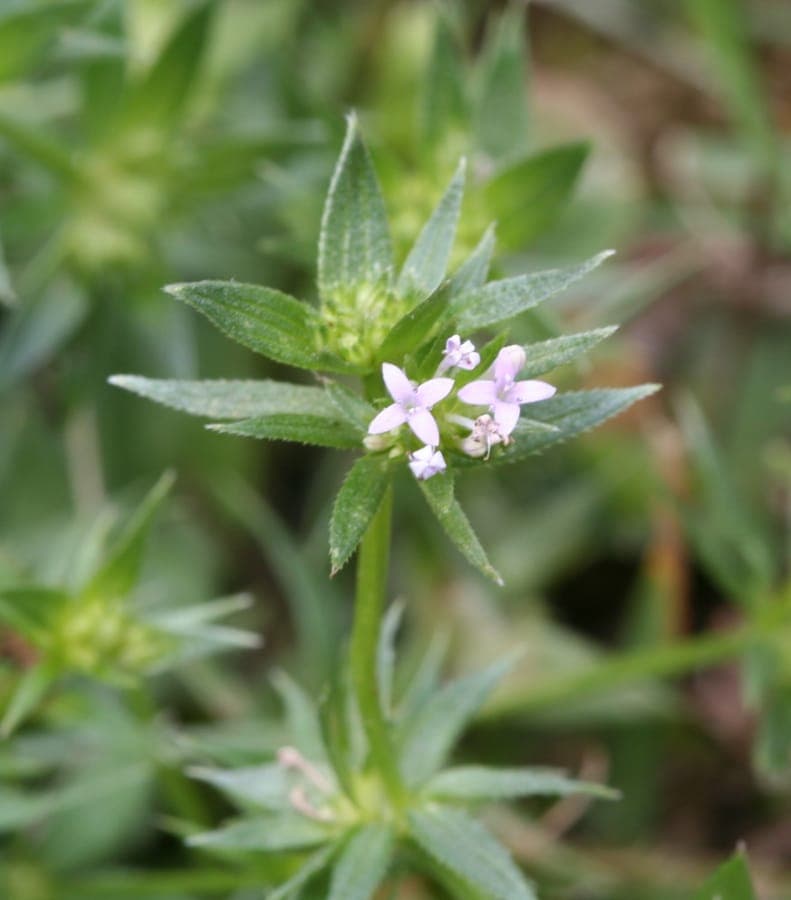
Wikimedia Commons / CC BY-SA 3.0, via Wikimedia Commons
Blue Field-madder: complete guide
Sherardia arvensis
Want to see Blue Field-madder: complete guide in your garden?
Full design in HD: €7.99
Look after your Blue Field-madder with the GardenWorld app
Identify plants with your camera and get a care calendar with reminders for this plant.


Overview
Blue field-madder (Sherardia arvensis) is a delicate, low-growing wildflower native from Europe through Iran. This charming plant is recognized for its small, bright blue flowers and its versatile use in historical gardens.
Historically, blue field-madder was used for dye extraction, although its usefulness was limited compared to much stronger dye plants. Today gardeners value it primarily for its ornamental qualities and benefits to insects and birds.
The plant reaches approximately 15-30 centimeters in height and forms compact, spreading growth patterns. The soft green foliage and delicate blue flowers create a pleasing contrast in borders and natural gardens.
Appearance and Bloom
Blue field-madder has narrow, lance-shaped leaves that grow in whorls around the stem. Stems are slender-walled and greenish. Flowers are bright blue to purple-blue, approximately 4-6 millimeters in diameter, arranged in small clusters or glomerules.
The bloom period extends from May through September, providing considerable horticultural value. Each flower is radially symmetrical with five petals. After blooming, the plant forms small, hairy seed heads that provide food for insects.
Ideal Location
Blue field-madder grows best in sunny to partially shaded locations. The plant thrives in well-lit conditions with at least some direct sunlight. It can also thrive under light shade in areas with very hot summers.
Plant field-madder in borders, as groundcover, or along garden paths. The low-growing, compact growth makes it ideal for the fronts of borders or small gardens.
Soil
Blue field-madder prefers well-draining, not overly fertile soil. The plant is happy in only moderately fertile soils and even grows in poor earth. A pH between 6 and 7 is ideal, although it can also grow in slightly more acidic or alkaline soil.
Ensure good drainage - the plant dislikes waterlogged conditions. Add organic matter at planting but do not use too much rich compost.
Free preview
Want to see Blue Field-madder: complete guide in your garden? Make a free preview of your design.
Watering
Blue field-madder requires moderate regular moisture, especially during growth and bloom periods. The plant is fairly drought-tolerant once established. Allow soil to dry somewhat between waterings.
Ensure young plants remain consistently moist but never wet. Excessive moisture can lead to root rot and fungal problems.
Pruning
Blue field-madder requires minimal pruning. Remove only dead flowers and faded parts. This encourages continued blooming and keeps the plant neater.
At the end of the season, as frost approaches, you can cut the plant back to approximately 5-10 centimeters height to overwinter.
Maintenance Calendar
Spring: Remove all dead material from previous season. Summer: Water regularly and deadhead spent flowers. Autumn: Leave seed heads for winter interest and birds. Winter: Protect in very cold regions with mulch.
Winter Hardiness
Blue field-madder grows well in zones 3-8 and is winter-hardy in temperate European climates. It can, however, be sensitive to very wet winters. Ensure good drainage during winter periods to prevent waterlogging.
In very cold regions, winter protection with dry leaf or coniferous litter may be beneficial.
Companion Plants
Blue field-madder works well alongside other low-growing herbaceous plants such as bobart grass, potentilla, and saxifrages. The delicate flowers contrast nicely with silver foliage of artemisia or barb-wire.
Plant field-madder in groups of at least 5-7 plants for maximum visual effect. It also works well as groundcover between larger shrubs.
Closing
Blue field-madder is an underrated jewel for wild and natural gardens. The delicate blue flowers offer genuine charm and provide food for insects. Find quality seeds or young plants at your local garden centres. More garden inspiration at gardenworld.app and gardenworld.app!
Frequently asked questions about Blue Field-madder
Is Blue Field-madder winter hardy?
Blue field-madder grows well in zones 3-8 and is winter-hardy in temperate European climates. It can, however, be sensitive to very wet winters.
When and how do you prune Blue Field-madder?
Blue field-madder requires minimal pruning. Remove only dead flowers and faded parts.
How much water does Blue Field-madder need?
Blue field-madder requires moderate regular moisture, especially during growth and bloom periods. The plant is fairly drought-tolerant once established.
Where does Blue Field-madder grow best?
Blue field-madder grows best in sunny to partially shaded locations. The plant thrives in well-lit conditions with at least some direct sunlight.
What soil does Blue Field-madder need?
Blue field-madder prefers well-draining, not overly fertile soil. The plant is happy in only moderately fertile soils and even grows in poor earth.

See it in your garden
See Blue Field-madder in your garden
One photo of your garden and a few questions. You see the result in about a minute.
Try it with a photoIdentify this plant in your own garden. Identify a plant
Similar plants
Mirror bush (Coprosma repens): care guide
Coprosma repens
Coprosma repens, the mirror bush or taupata, has strikingly glossy leaves. Advice on position, soil, watering, pruning and winter care, plus its weedy side.
Oregon bedstraw: complete guide
Galium oreganum
Everything about Oregon bedstraw (Galium oreganum): shade planting, soil requirements, care and use as a low groundcover in woodland and shade gardens.
Awned woodruff: complete guide
Asperula aristata
Full guide to growing Asperula aristata, the awned woodruff: sunny location, alkaline soil, minimal watering, and companion plants for dry or rock gardens.
