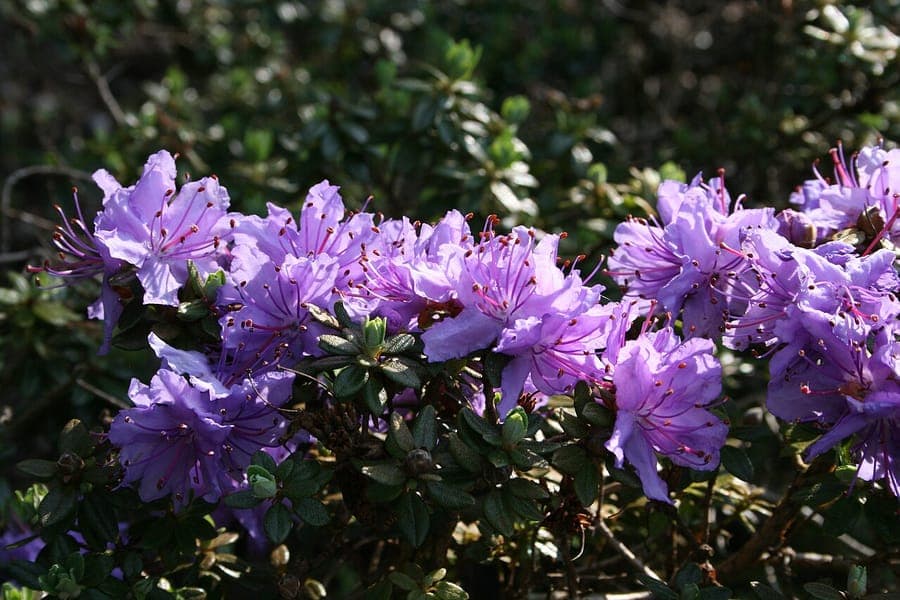
Ulf Eliasson / CC BY-SA 3.0, via Wikimedia Commons
Rhododendron fastigiatum: complete guide
Rhododendron fastigiatum
Want to see Rhododendron fastigiatum: complete guide in your garden?
Full design in HD: €7.99
Look after your Rhododendron fastigiatum with the GardenWorld app
Identify plants with your camera and get a care calendar with reminders for this plant.


Overview
Rhododendron fastigiatum is a hidden gem from the mountainous regions of Yunnan, China. This compact, evergreen rhododendron is renowned for its stiff, upright growth pattern and elegant blue-purple flowers. For those seeking a small, decorative plant that delivers value for years, this rhododendron is a perfect choice for the front yard.
Appearance and character
Rhododendron fastigiatum grows in a stiff, columnar form that can reach 60 centimeters to 1 meter tall. The leaves are small, leathery, and remain green year-round. Flowers are exquisite blue-purple to violet-blue and appear in small clusters. Blooming occurs in spring and brings refined elegance to the garden. The plant naturally forms a neat, compact shape without much pruning.
Ideal location
Plant Rhododendron fastigiatum in a spot with partial shade. The plant grows best with two to four hours of indirect sunlight daily. Avoid the intensity of afternoon sun, especially in warmer climates. A spot under deciduous trees is ideal. Ensure the location is protected from strong winds that can damage delicate foliage.
Soil requirements
Rhododendron fastigiatum requires acidic, well-draining soil, like most rhododendrons. Ideal is a pH between 4.5 and 6.0. Add plenty of humus, peat, or conifer bark. This plant doesn't grow in heavy clay soils and cannot tolerate waterlogging. Ensure the soil is airy and drains well.
Free preview
Want to see Rhododendron fastigiatum: complete guide in your garden? Make a free preview of your design.
Watering
Rhododendron fastigiatum requires regular watering, especially during the growing season. Soil must remain consistently moist but not waterlogged. Avoid excessive water, as this immediately leads to root rot. During dry periods, provide extra water. The plant performs better in regions with regular rainfall.
Pruning
Minimal pruning is required. This plant forms itself into a neat, compact shape naturally. Remove only dead or damaged branches. Remove spent flower clusters after blooming to save energy. Hard pruning can disrupt the natural form.
Maintenance calendar
Here's a practical maintenance schedule:
January-February: Winter check; keep from strong winds.
March-May: Enjoy blooming; water regularly.
June-October: Monitor moisture; no pruning.
November-December: Preparation for dormancy.
Winter hardiness
Rhododendron fastigiatum is winter hardy to around -15 degrees Celsius, meaning it survives well in Britain. In regions with very severe winters, foliage may suffer frost damage. In such areas, protection with burlap or branches can help.
Companion plants
Rhododendron fastigiatum combines beautifully with:
Acers: Fine texture and color contrast Heathers: Low growth and complementary colors Small ferns: Delicate structure Hosta: Interesting foliage shape
Closing
Rhododendron fastigiatum is an exceptional choice for small gardens and those seeking refined beauty. With its compact form and elegant flowers, it fills a special place in your front yard. Want to enhance your front yard with such alpine gems? Visit gardenworld.app for complete design assistance. Have your front yard transformed by professionals on gardenworld.app!
Frequently asked questions about Rhododendron fastigiatum
Is Rhododendron fastigiatum winter hardy?
Rhododendron fastigiatum is winter hardy to around -15 degrees Celsius, meaning it survives well in Britain. In regions with very severe winters, foliage may suffer frost damage.
When and how do you prune Rhododendron fastigiatum?
Minimal pruning is required. This plant forms itself into a neat, compact shape naturally.
How much water does Rhododendron fastigiatum need?
Rhododendron fastigiatum requires regular watering, especially during the growing season. Soil must remain consistently moist but not waterlogged.
Where does Rhododendron fastigiatum grow best?
Plant Rhododendron fastigiatum in a spot with partial shade. The plant grows best with two to four hours of indirect sunlight daily.
What soil does Rhododendron fastigiatum need?
Rhododendron fastigiatum requires acidic, well-draining soil, like most rhododendrons. Ideal is a pH between 4.5 and 6.0.

See it in your garden
See Rhododendron fastigiatum in your garden
One photo of your garden and a few questions. You see the result in about a minute.
Try it with a photoIdentify this plant in your own garden. Identify a plant
Similar plants
Redvein enkianthus (Enkianthus campanulatus): complete guide
Enkianthus campanulatus
Redvein enkianthus (Enkianthus campanulatus): shrub for acid soil with hanging cream bells in May and fiery autumn colour. Site, soil, pruning, hardiness and companions.
Darley Dale Heath: complete guide
Erica × darleyensis
Everything about Darley Dale heath (Erica × darleyensis): planting, position, soil, pruning and care. Months of winter flowers in pots and borders.
Prickly heath (Gaultheria mucronata): growing guide
Gaultheria mucronata
Prickly heath (Gaultheria mucronata, formerly Pernettya) carries white, pink or red berries from autumn to spring. Dioecious and toxic: how to grow it well.
