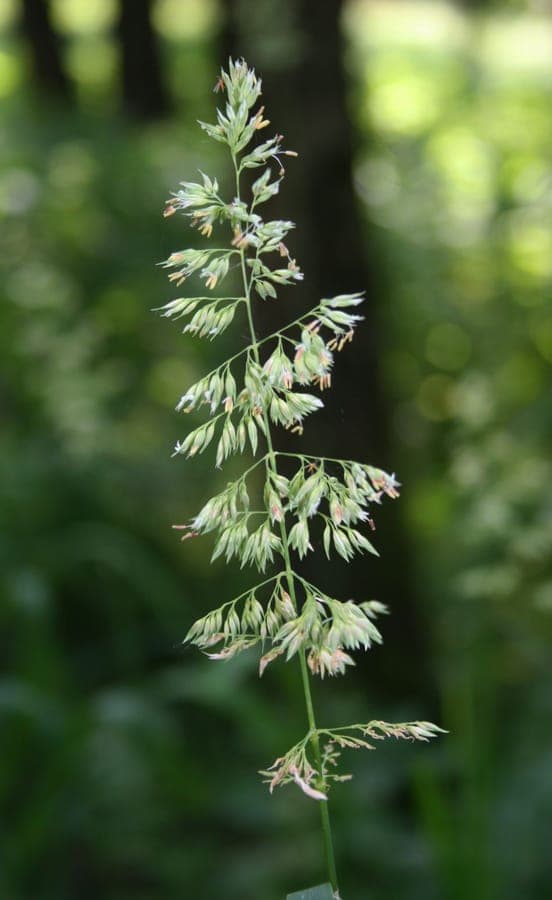
Franz Xaver / CC BY-SA 3.0, via Wikimedia Commons
Phalaris arundinacea: complete guide
Phalaris arundinacea
Want to see Phalaris arundinacea: complete guide in your garden?
Full design in HD: €7.99
Look after your Phalaris arundinacea with the GardenWorld app
Identify plants with your camera and get a care calendar with reminders for this plant.


Overview
Phalaris arundinacea, commonly called Gardener's Garters, is a perennial grass from the Poaceae family. This grass is prized for its striking white-green striped foliage. It naturally occurs in temperate and subtropical northern hemispheres. The grass spreads via underground runners and forms dense mats. Phalaris arundinacea is ideal for garden backgrounds and border plantings.
Appearance and bloom
Phalaris arundinacea reaches heights of 80 to 150 centimeters. The foliage is distinctly yellow-white striped or green-white variegated. This gives the grass very decorative appearance year-round. Flower spikes emerge June to July, compact and patterned, roughly 5 to 8 centimeters long. The spikes are gray to violet colored. The grass forms dense tufts remaining attractive for years.
Ideal location
Phalaris arundinacea thrives in full sun to partial shade. Full shade diminishes foliage color noticeably. The plant prefers moist to wet soils but is flexible. Ideal spots include water edges, wetlands and moist gardens. The grass is highly resilient growing in challenging conditions. Protect from intense afternoon sun in very warm climates.
Soil
Phalaris arundinacea grows in virtually all soil types. It prefers moist, nutrient-rich soils. The ideal pH range is 5.5 to 7.5. The grass thrives in heavy clay soil. Sulfur-rich or acid soils can be problematic. Work organic matter in to improve moisture retention.
Watering
Phalaris arundinacea has moderate to high moisture needs. The plant thrives in constantly moist soil. Regular watering is important, especially during growing season. Partial waterlogging is acceptable. In dry conditions the plant may wilt. Water regularly during growing season, less in winter.
Free preview
Want to see Phalaris arundinacea: complete guide in your garden? Make a free preview of your design.
Maintenance
Phalaris arundinacea is low maintenance. Prune in early spring to remove dead material and encourage new growth. The grass may grow aggressively; containment with root barriers may be needed. Spent flower spikes can be removed. The plant needs no fertilization if soil contains nutrients.
Maintenance calendar
March: Cut back previous season. April to May: New growth. June to July: Bloom and flower spikes. August to October: Seed ripening. November: Winter preparation.
Winter hardiness
Phalaris arundinacea is completely winter hardy in Europe. The plant survives harsh winters without issues. Foliage may turn brownish after frost but regrows in spring. This grass suits all climate zones in Northern Europe.
Companion plants
Phalaris arundinacea combines well with other grasses and perennials. Plant with hostas, ferns and shade-loving plants. It also works well beside aquatic plants and sedges. The contrasting foliage makes it perfect backdrop for dark-leafed plants.
Closing thoughts
Phalaris arundinacea is versatile grass for modern gardens. The colored foliage brings color year-round. Despite aggressive growth it is valuable in well-planned borders. Available at garden centers. Try this beautiful grass this year and enjoy its year-long beauty. Discover more ways to bring foliage color to your garden on gardenworld.app. Let gardenworld.app help you plan a garden design with lasting seasonal color today.
Frequently asked questions about Phalaris arundinacea
Is Phalaris arundinacea winter hardy?
Phalaris arundinacea is completely winter hardy in Europe. The plant survives harsh winters without issues.
How much water does Phalaris arundinacea need?
Phalaris arundinacea has moderate to high moisture needs. The plant thrives in constantly moist soil.
Where does Phalaris arundinacea grow best?
Phalaris arundinacea thrives in full sun to partial shade. Full shade diminishes foliage color noticeably.
What soil does Phalaris arundinacea need?
Phalaris arundinacea grows in virtually all soil types. It prefers moist, nutrient-rich soils.

See it in your garden
See Phalaris arundinacea in your garden
One photo of your garden and a few questions. You see the result in about a minute.
Try it with a photoIdentify this plant in your own garden. Identify a plant
Similar plants
Pheasant's tail grass (Anemanthele lessoniana): a guide
Anemanthele lessoniana
Pheasant's tail grass (Anemanthele lessoniana) is an evergreen New Zealand grass with orange-streaked leaves and airy summer flower heads. Siting, soil, care and hardiness.
Korean feather reed grass (Calamagrostis brachytricha): guide
Calamagrostis brachytricha
Everything about Korean feather reed grass (Calamagrostis brachytricha): position, soil, cutting back and planting partners for its glistening autumn plumes.
Northern sea oats (Chasmanthium latifolium): growing guide
Chasmanthium latifolium
Northern sea oats (Chasmanthium latifolium) carries flat, dangling spikelets and thrives in part shade. Learn how to site, water, cut back and partner it.
