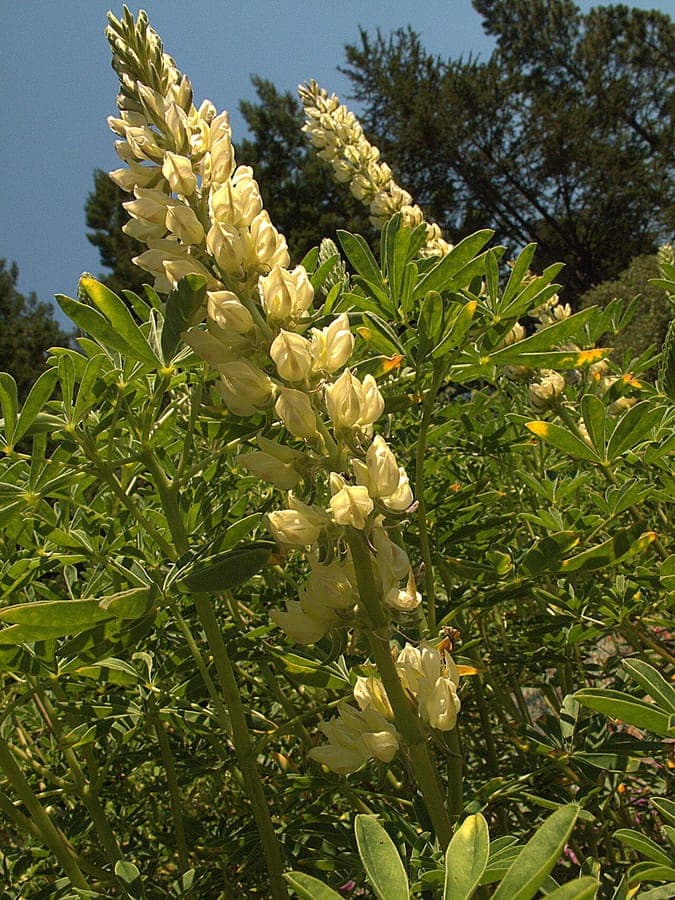
John Rusk from Berkeley, CA, United States of America / CC BY 2.0, via Wikimedia Commons
Lupinus luteolus: complete guide
Lupinus luteolus
Want to see Lupinus luteolus: complete guide in your garden?
Full design in HD: €7.99
Look after your Lupinus luteolus with the GardenWorld app
Identify plants with your camera and get a care calendar with reminders for this plant.


Overview
Lupinus luteolus, commonly known as Butter lupine or Pale yellow lupine, is a striking wildflower native to the western United States. This robust perennial belongs to the Fabaceae family and grows naturally in the dry regions of Oregon and California. The species is renowned for its characteristic pale yellow flowers arranged in dense, towering spikes.
Thanks to its hardy nature and spectacular blooms, this lupine is an excellent choice for gardens seeking color and visual impact. The plant requires minimal maintenance and fits perfectly into Mediterranean or drought-tolerant garden designs.
Appearance and Bloom
The Butter lupine reaches heights of 30 to 50 centimeters and forms a compact, bushy plant structure. The leaves are divided into multiple narrow leaflets displaying a characteristic grey-green color. This silvery foliage contributes to the plant's natural, rugged aesthetic appeal.
The flowers steal the show: luminous pale yellow blooms densely arranged in vertical spikes that can reach 15 centimeters in length. Each individual flower follows the classic lupine pattern with characteristic butterfly-shaped petals. The flowering period extends from May through July, depending on growing conditions.
Following bloom, small dark seed pods develop. These capsules split open in heat, naturally dispersing seeds throughout the garden and encouraging self-seeding in subsequent seasons.
Ideal Location
The Butter lupine thrives in sunny locations receiving at least six hours of direct sunlight daily. A south-facing or west-facing position is ideal. Once established, the plant is highly drought-resistant and tolerates hot, dry conditions without complaint.
Plant in groups of three to five specimens for maximum visual impact. Adequate spacing promotes good air circulation and helps prevent disease issues.
Soil
Well-draining soil is essential. The Butter lupine prefers sandy or gravelly soils with a pH between 6.4 and 8. Heavy clay soils can be problematic and should be amended with sand, gravel, or compost before planting.
Additional fertilization is unnecessary; excess nutrients may actually promote foliage growth at the expense of flowering. Poor soil often encourages more abundant blooms. If your soil is very rich, dilute it with sand or gravel.
Free preview
Want to see Lupinus luteolus: complete guide in your garden? Make a free preview of your design.
Watering
Once well-established, the Butter lupine is extremely drought-resistant and requires minimal watering. During the first growing season, provide regular water, especially during dry spells, until the plant develops a strong root system.
At maturity, additional water is needed only during prolonged dry periods. Excessive water, particularly in wet winters, can cause root rot. The plant tolerates drought much better than waterlogged conditions.
Pruning
Pruning is not strictly necessary but is beneficial. Remove spent flower spikes to encourage additional blooms throughout summer. This deadheading process stimulates the plant to produce more flowers.
In late season or early spring, light pruning can maintain a compact shape. Carefully trim stems back to approximately half their height.
Maintenance Calendar
Spring: Check for pests. Water during dry periods. Plant new specimens if desired.
Summer: Deadhead regularly to extend flowering. Monitor for water stress on hot days.
Autumn: Leave seed pods on the plant for natural reseeding. Minimal care needed.
Winter: The plant is winter-hardy and dormant. No special care needed except in extreme frost or waterlogging conditions.
Winter Hardiness
The Butter lupine is hardy to approximately -10 degrees Celsius. In most Northern European gardens, it overwinters outdoors without difficulty. Only in extreme winters or very wet conditions may frost damage occur.
For extra insurance in cold regions, apply a layer of gravel around the plant to improve drainage.
Companion Plants
The Butter lupine combines beautifully with other drought-tolerant wildflowers:
- Red poppy
- Blue cornflower
- Yellow mountain heather
- Ornamental grasses
- Lavender
These combinations create a natural, Mediterranean appearance with appealing variety in colors and textures.
Closing
Lupinus luteolus is a hardy, low-maintenance plant that provides years of beauty to your front yard. Thanks to its unique yellow blooms and minimal care requirements, it's ideal for gardeners seeking sustainable, native plantings.
Find Butter lupine seeds or plants at local garden centers where they're available in spring. Enjoy years of golden flower spikes with minimal fuss! This is precisely why so many gardeners choose this lupine on gardenworld.app. Discover the perfect spot in your garden and let these yellow lupines work their magic. More inspiration available on gardenworld.app.
Frequently asked questions about Lupinus luteolus
Is Lupinus luteolus winter hardy?
The Butter lupine is hardy to approximately -10 degrees Celsius. In most Northern European gardens, it overwinters outdoors without difficulty.
When and how do you prune Lupinus luteolus?
Pruning is not strictly necessary but is beneficial. Remove spent flower spikes to encourage additional blooms throughout summer.
How much water does Lupinus luteolus need?
Once well-established, the Butter lupine is extremely drought-resistant and requires minimal watering. During the first growing season, provide regular water, especially during dry spells, until the plant develops a strong root system.
Where does Lupinus luteolus grow best?
The Butter lupine thrives in sunny locations receiving at least six hours of direct sunlight daily. A south-facing or west-facing position is ideal.
What soil does Lupinus luteolus need?
Well-draining soil is essential. The Butter lupine prefers sandy or gravelly soils with a pH between 6.4 and 8.

See it in your garden
See Lupinus luteolus in your garden
One photo of your garden and a few questions. You see the result in about a minute.
Try it with a photoIdentify this plant in your own garden. Identify a plant
Similar plants
Pineapple broom (Argyrocytisus battandieri): complete guide
Argyrocytisus battandieri
Everything about pineapple broom (Argyrocytisus battandieri), the Moroccan wall shrub with silver leaves and pineapple-scented flowers: site, pruning and hardiness.
Blue false indigo: complete guide
Baptisia australis
Everything about blue false indigo (Baptisia australis): position, soil, watering, cutting back, hardiness and toxicity. A long-lived prairie perennial with indigo flowers.
Warminster broom (Cytisus × praecox): complete guide
Cytisus × praecox
Everything about Warminster broom (Cytisus × praecox): position, poor soil, pruning after flowering, hardiness and what you need to know about its toxicity.
