

Wasp nest in the garden: what to do and not do
By the GardenWorld editorial team, updated on
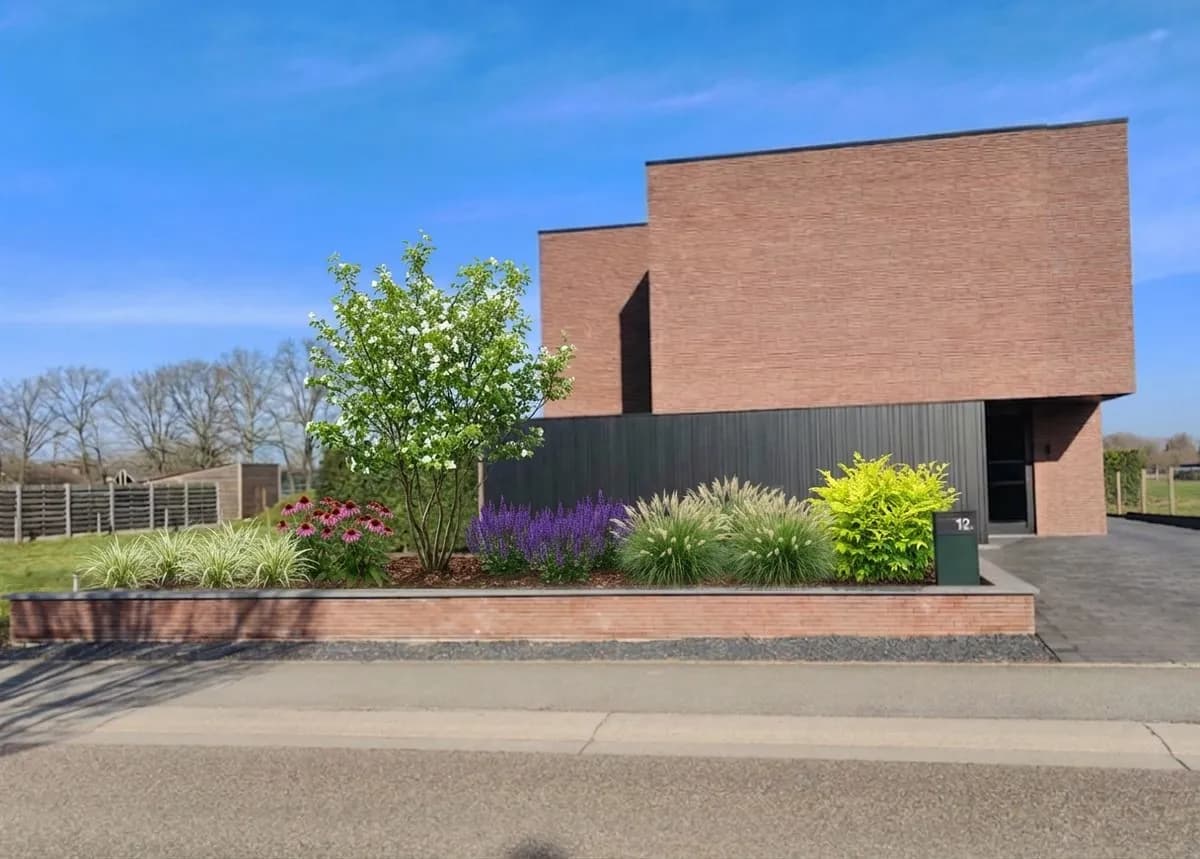
Want to see this in your garden?
Full design in HD: €7.99
Wasp nest in your garden: no need to panic
A wasp nest looks threatening, and if you fear insect stings, that fear is understandable. But wasps are far less aggressive than their reputation suggests. They only sting when they feel threatened, for example if you touch their nest or get very close. Most of the time you see nothing of them, and they go about their business in your garden without bothering you at all.
Wasps have a big advantage for your garden that many gardeners do not realize: they hunt insects that damage your plants. A working wasp nest can catch hundreds of harmful insects per day. So they are natural pest controllers. Additionally, wasps visit flowers and help with pollination. This is a good time to tolerate them, especially since they usually disappear naturally by October.
Recognizing a wasp nest: which type you have
Not all nests are the same. There are different types of wasps that build nests in gardens, and some are much less aggressive than you think. Paper nests are the classic gray, papery nests of German wasps (Vespula germanica) and common wasps (Vespula vulgaris). These nests can grow as large as a football. They like to build them under roof beams, against walls, in trees or in garden sheds. These species are potentially aggressive in July and August, especially in the evening.
Solitary wasps are lone wasps that nest in small tubes, for example in bee hotels or under roof edges. These wasps are barely aggressive and hunt spiders or flies. They are small predators and nearly unnoticed. They rarely sting people.
Digger wasps, such as the sand wasp (Ammophila sabulosa), are large, dark wasps that dig in the ground or nest in hollow branches. They are experts at catching caterpillars and small flies. They are rarely to never aggressive toward people. You see these types much less in gardens.
Distance and caution: how to stay safe
Respect the nest. A wasp nest is not an enemy in your garden, it is a working colony that fills a food chain. As long as you keep distance, all is well. At least one and a half meters distance you must maintain from the nest. This does not mean you lose half your garden. You can comfortably work in the garden, water plants, sit on your terrace without problems.
Avoid jerky movements around the nest, such as wildly swinging your arms if you see a wasp. This gets attention and makes them defensive. Slow, calm movements are your best friends. Close your doors and windows in the evening, because wasps like to fly to lamps at night and can accidentally come inside.
Do not wear bright colors or strong scents right near the nest, because this attracts wasps. Also make sure no food is lying about. Honey, jam, overripe fruit, drinks left outside: these are wasp magnets. Especially in August and September, wasps become aggressive around food.
The useful side of wasps
Many people do not know how important wasps are to your garden. They are predators of many pest insects that attack your vegetables and flowers. German wasps hunt aphids, caterpillars, flies and other insects. A single nest can catch up to 3,000 flies per day. This is free natural pest control.
Additionally, adult wasps eat pollen and nectar, so they also help with pollination while flying over flowers. This is essential for fruit trees and vegetables. Later in the season, August to October, wasps become less useful because they hunt for sweet things and food from your table. But until then, they are your silent allies against real garden pests.
Want to see how your garden can be designed to attract both flying insects and other wildlife? On gardenworld.app you design a nature-friendly garden where everything is in balance.
Free preview
Create your own garden design
September: the quietest month for your garden
An interesting fact: around September wasps become quieter. The colony dies slowly, and by October there are far fewer. This is because wasps have short-lived colonies that die in winter. The nests themselves are abandoned and not reusable. This is why you do not need to remove a nest.
This means that if you see a nest in May or June and you simply wait until October, the nest will empty itself. No action needed. This is patience, not laziness. But not everyone can manage that patience, and that is okay too.
Professional removal: how to handle it
Not every nest has to go. If it is far from your terrace, front door or play area, the safest and cheapest choice is to wait until the colony empties itself after the first autumn frost. If the nest really must go, for example because it sits right next to the front door or a bedroom window, or because someone in the house has an allergy, call a licensed pest control company or a local beekeeper. A nest is easiest to remove while it is still small, so early in the season (May or June), before the colony reaches its peak size in August and September.
Never try this yourself, and especially not in the evening. That is exactly when all the wasps are back in the nest, which is useful for a professional treating the whole colony at once, but dangerous for an amateur, since the full colony then defends itself together. A licensed exterminator wears protective clothing, uses approved products, and for that same reason usually works at dusk or early morning. Cost: usually 80 to 200 euros, depending on size and nest accessibility. That is well below the cost of an emergency room visit if you have an allergy.
Step by step
Step 1: Recognize and locate the nest
Where is it? Against a wall, in a tree, on a roof beam? How big is it? How active is it? This determines your next steps. Look at the nest from a distance, do not try to touch it.
Step 2: Measure your distance from your seating and play areas
Is the nest more than one and a half meters away from where you like to sit? Then it is probably not a direct problem. Also check where your children and pets usually play.
Step 3: Accept it or call in professionals
Two options: you leave it and tolerate it until October, or you call a company. This is a personal choice based on location and your fears. Do not try to handle it yourself with spray or violence.
Step 4: Prevent food attraction
No open drinks, no overripe fruit, no jam on the table in July and August. This reduces aggression and conflicts. Make sure your garbage bin is closed.
Step 5: Protect yourself beforehand
If you call professional help, make sure children and pets are not nearby. The professional determines the next steps.
Step 6: Check after removal
Does the nest stay empty? After professional removal, wasps may try to rebuild. Wait a week and see if it becomes active again.
Frequently asked questions
Are all wasps in my garden from the same nest?
Not necessarily. Your garden often falls within the hunting range of several nests in the neighborhood, plus loose solitary wasps flying about. An active nest of the common wasp or the German wasp can easily hold several thousand workers by late August, so even a single nest alone accounts for quite a few wasps.
Can you poison or repel wasps with products?
Commercial wasp sprays are ineffective and dangerous. They do not drive them away permanently. The same goes for scent repellents and traps. Professional treatment is the only thing that really works.
What if I step on a nest?
Stay calm and walk slowly away. Panic leads to more stings. Wasps do not like to sting you for no reason. You will probably have little trouble unless you keep swatting.
Can I destroy the nest with a ladder?
Never. This is life threatening. You will probably get dozens of stings. This is not smart.
See it in your own garden first
Want to see how your garden would look with professional design? On gardenworld.app you upload a photo of your garden and see a free sample of a new design. The sharp image with full plant list costs 7.99 euros, one time only, no subscription.
Create your own garden design
Upload a photo, pick a style, and get a photorealistic design with plant list in under a minute.
Full design in HD: €7.99

Related articles
 Inspiration
Wild bees in your garden without a hive
Wild bees are just as valuable as honeybees and much easier to help. Make your garden inviting without starting a beehive.
 Inspiration
How to reduce mosquitoes in your garden without spray
You reduce mosquitoes in your garden by removing standing water, attracting bats and dragonflies and using a simple fan, without any chemical spray.
InspirationHow Hedgehogs Survive Winter in Your Garden
Hedgehogs need enough weight, a dry shelter and a clear route through your garden to survive winter. Here is what to do from September.