

Wild bees in your garden without a hive
By the GardenWorld editorial team, updated on
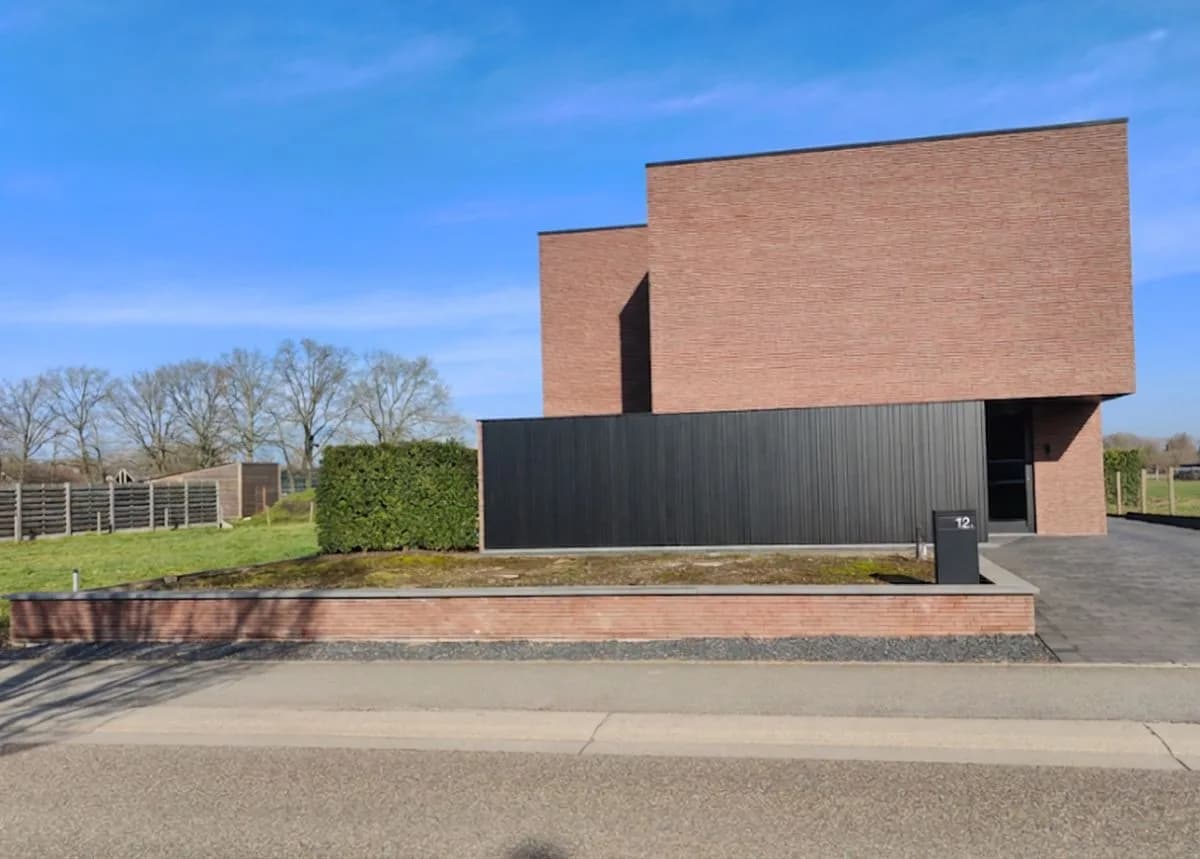
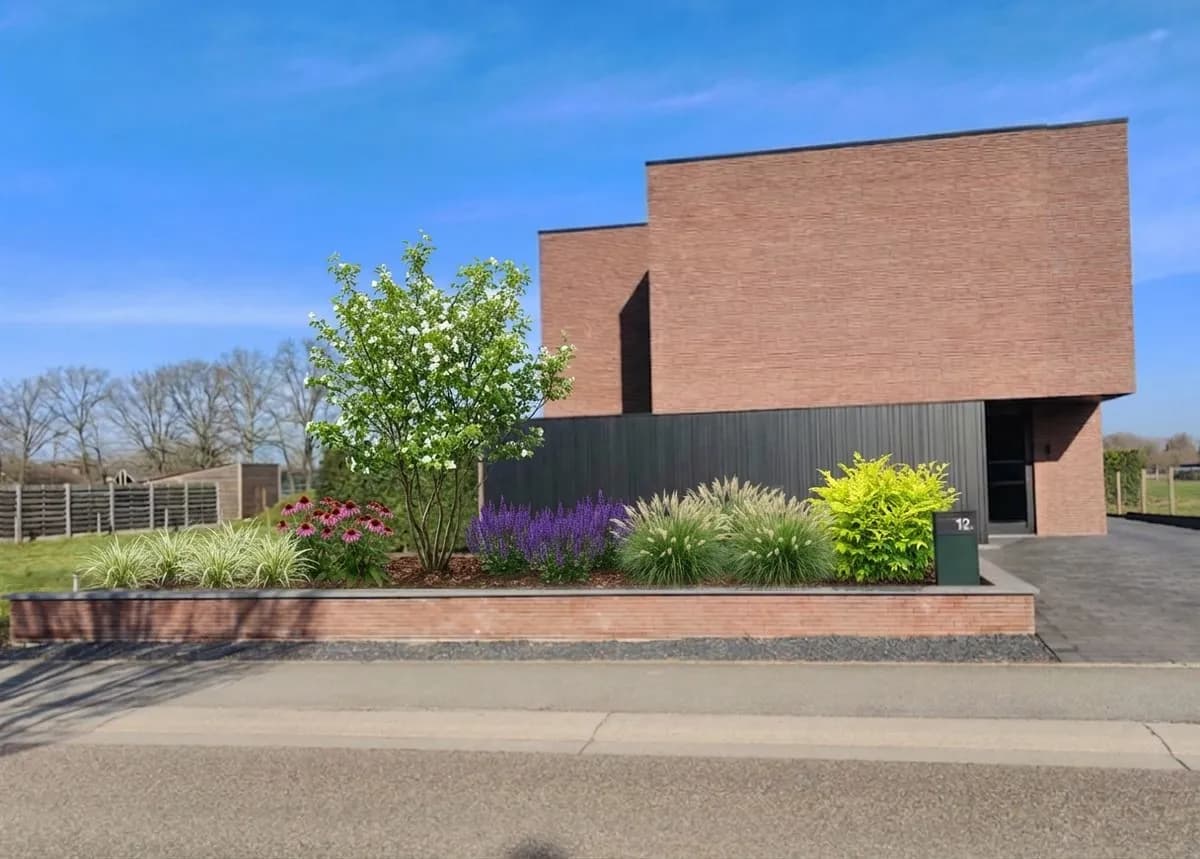
Want to see this in your garden?
Full design in HD: €7.99
Why wild bees are better than you think
Wild bees are not aggressive, they belong to no beekeeper and leave you alone to garden. The pollination work that wild bees do is at least as valuable: a solitary bee pollinates twice as many flowers as a honeybee because they work faster and do not return to a hive. In the Netherlands and Belgium we have more than 350 wild bee species and most are tiny.
You do not need anything exotic and do not need to build anything complicated. Wild bees look for three things: pollen and nectar (flowers therefore), a place to nest, and protection from wind and moisture. You achieve this with three simple changes to your garden.
Open sandy patches for nesting
About 70 percent of wild bees do not nest in hollow stems but in the ground. They bore small holes in dry, loose soil and lay their eggs there. This is why you do not want a fully paved terrace and no heavily compacted lawn borders.
Create a sandy patch of at least one square metre, preferably sunny and dry. This can be a piece in the border where you have loosened the soil, or a box of sand against a wall (the so-called bee hotel without roof). Make sure the sand is fine and not compacted, like sand from a children's sandbox, not coarse gravel. In autumn it can get wet, but during the growing season (March to October) it must stay dry.
One sandy patch attracts dozens of nests per year. You see the females in May-June boring their little tunnels and removing soil particles. Leave it alone, nothing bad happens.
Stems and wood left standing
About 25 percent of wild bees nest in hollow or half-hollow stems: raspberries, blackberries, delphiniums, or you plant reed and bamboo. Another part nests in the splinters of dead wood. These nests are crucial in October-April when ground holes are closed.
So do not flatten everything in November. Cut back your perennials in March, one month before growth starts. Set bundles of branches, straw or reed upright against a shed or pole: holes angled downward, protected from rain. These are your bee apartments. They look untidy but your garden becomes more alive.
Also lay some loose wood, a pile of bark or branches under a roof. In the splinters bees seek their place, and other insects also nest there.
Early bloomers: food from March to May
The hardest months for bees are March to May. The previous winter was long, pollen reserves are depleted and the flowers in your garden do not bloom yet. You fill this gap with early bloomers that flower for two months.
Set in bulbs in October: snowdrops (February-March), pollen-rich crocuses (March), grape hyacinths Muscari (April), and tulips that attract insects like species tulips. On the same spot you can plant: Christmas rose Helleborus niger (late February), Brunnera (forget-me-not-like, April), and Primula (primrose-types, March-April). These are ready-grown plants from the garden centre, not seeds, so they flower straight away, before most other growth.
Plant these in groups, not scattered. Ten snowdrops in a row attract more bees than two snowdrops here, two there. A crocus meadow of 50 flowers does more than ten loose crocuses. Not sure which early bloomers fit the rest of your border? On gardenworld.app you can see that first in a preview of your own garden.
Summer bloomers: May to October
From May to October you have many more choices. Ensure the bloom is uninterrupted by two rules: plant varieties that overlap (while tulips still bloom, roses come out, while roses fade lavender comes), and repeat the same flowering plants to bloom again twelve weeks later.
Easy summer bloomers for bees are: lavender (June-August, 50 cm, full of bees), fleabane (Erigeron, May-October, 30 cm), sage and salvias (June-October, diverse colours and heights), sedum (August-November, fleshy leaves, butterflies and bees), and dahlia (August-October, full bloom late September).
Note: ensure your flowers are really open for insects. Full roses, heavily double dahlias and hybrids with many extra petals are beautiful but contain no food. Choose single or semi-double varieties. Information about this is on the seed packet: stars for bee-friendliness.
Free preview
Create your own garden design
No insecticides, and less gardening perfection
Insecticides are clearly lethal: bees die. But also many fungicides that look "organic" are harmful. Accept therefore some aphids, spider mites, whitefly: this is food for predatory mites and parasitic wasps that do not touch bees. A garden with some pests is better for bees than a sterile one.
The same goes for "neat" work. Leaf piles in October are rest for many insects. Densely planted is better than open. No artificial fertiliser: bees find less nectar in fertiliser-rich plants (much leaf, less flower).
Identifying species
Wild bee species are diverse and small. The three largest groups are:
Mason bees: Osmia species, reddish-brown, as big as a chickpea, with a quick, almost bird-like flight. They nest in hollow reed and withdraw in September. You see them March-May only.
Solitary ground-nesting bees: Very small (2-8 mm), black, sometimes with red colouring. They have no urge to sting. You see them July-October flying out of sand holes.
Bumblebees: Large, hairy, dominant around lavender and phacelia. Truly wild: they have a nest of one queen and workers but do not establish a bee colony like honeybees.
Determining the exact species is difficult. A field guide with photos of wild bees helps you tell the groups apart. For everyday practice, recognising these three groups is enough.
Bees all year round
March: ground-nesting bees appear as soon as soil temperature rises above 10 degrees. They seek sand.
April-May: mason bees in full activity in reed and stems. Flight activity from 8 am to evening.
June-August: full activity. Many species, many nests. Sandy patch is busy visited.
September-October: filling holes and seeking last food for overwintering. Bumblebees are now at their slowest.
November-February: rest and dormancy in the nests. Do nothing, you do not need to clean.
Step by step
Step 1: Set up a sandy patch
Choose a sunny spot in your border or terrace (at least 4 hours sun). Dig 20 cm of loose sand, or place a box (60x40x20 cm) of sand against a south or east wall. Sand must be fine, no lumps, no moisture-logged clay.
Step 2: Place stems and wood
Collect bamboo, reed, or saw blackberry and raspberry stems in autumn (October) when you prune anyway. Set them in bundles upright, holes angled downward, against a wall or shed. Support with twine so wind does not blow them over.
Step 3: Plant early bloomers
October-November: tulip bulbs, crocuses and snowdrops in groups of ten per species. March: plant hellebore and primrose. May: first check that everything blooms.
Step 4: Obtain summer bloomers
March-April: lavender, sage, fleabane in pots from the garden centre. Plant them in groups and let them grow until June for first bloom.
Step 5: Prevent pest control
Use no insecticides. Accept aphids and mild fungi. Remove only diseased leaves, not the whole plant.
Step 6: Low maintenance all year
June: lightly cut back spent flowers for repeat bloomers. September: do not cut stems. November-March: keep sandy patch clear of leaves, leave stems standing.
Frequently asked questions
Are wild bees safe around children?
Very safe. Wild bees are just as cautious and much less aggressive than honeybees. They almost never sting unless you squeeze them in your hand. Bumblebees can sting but rarely do, and children feel this as a small prick.
Can I buy a bee hotel instead of a sandy patch?
A bee hotel helps, but is secondary. Without a sandy patch you offer only accommodation for 30 percent of bee species. The real work is the sandy patch plus flowers. Hotels often get too wet, attract parasitic wasps that parasitise bees, and have no cover against rain.
How many bees can my garden hold?
An average front garden of 50 square metres with a good sandy patch and 20 flower planters can hold a hundred nests. These are not a hundred adult bees at once, but 5 to 10 that emerge per nest. That does not feel overwhelming.
How do I know if my sandy patch works?
In May, as soon as temperatures reach above 10 degrees in the morning, you see females boring their holes in dry sand. They dig and bring out soil particles. These are small heaps of sand next to the entrance. If you see this, you have succeeded.
See it in your own garden first
Do you doubt whether these bees fit on that spot, or which flowers you need? Upload a photo of your garden on gardenworld.app and see a free preview of a design with bee-friendly planting. The sharp image with plant list costs 7.99 euros, one-time, no subscription.
Create your own garden design
Upload a photo, pick a style, and get a photorealistic design with plant list in under a minute.
Full design in HD: €7.99
Related articles
InspirationButterfly garden with Buddleja: nectar-rich front garden
Transform your front garden into a butterfly meadow with Buddleja davidii and nectar-rich plants. Simple, colourful, year-round visitors.
 Inspiration
Wild seed bed front garden: messy is the design
Create a wild seed bed where you sow seeds and let grow what wants to. Spontaneous, seasonal, truly unique.
 Inspiration
Natural garden with wild plants: let nature do the work
Create a natural garden with native wildflowers, meadows and biodiversity. Tips for a garden that buzzes with life.