
Wikimedia Commons / CC BY-SA 3.0, via Wikimedia Commons
Einkorn: complete guide
Triticum monococcum
Want to see Einkorn: complete guide in your garden?
1 minute, no credit card
Einkorn (Triticum monococcum) is one of the world's oldest domesticated grain species. This heritage grain offers gardeners a unique opportunity to encourage ancient agricultural traditions.
Overview Einkorn is a nutritious grain with high protein content and a rich history. It is less productive than modern wheat varieties but has superior flavor and nutritional value. For home gardeners, einkorn is a rewarding project that brings history to your garden.
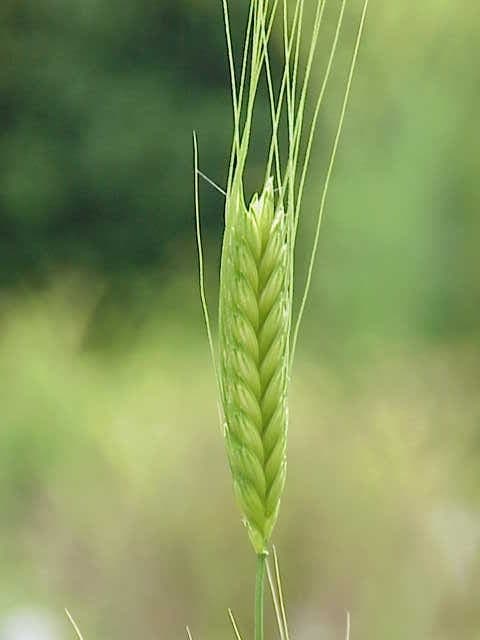
Appearance and bloom Einkorn plants reach heights of 80 to 120 centimeters. Each plant produces only one kernel per flower, hence the name. The spikes are compact and gold-colored when ripe. Flowering occurs from May to July. This unique characteristic makes einkorn recognizable in the field.
Ideal location Choose a place with full sun and good ventilation. Einkorn grows well in open gardens. Ensure good air circulation to prevent moisture problems. The plant is hardy and can adapt to various conditions.
Soil Einkorn is frost-hardy and flexible with soil type. A neutral pH of 6.5 to 7.0 is ideal. Work in organic material to improve moisture retention. The plant thrives in marginal soils where modern wheat might struggle.
Watering Einkorn requires moderate watering during growth period. Provide regular moisture if it is dry. The plant is relatively drought-tolerant compared to modern wheat varieties. Excessive water is harmful.
Pruning Einkorn requires no pruning. The plant regulates its own growth. You can optionally remove side growth for better air circulation if needed.
Maintenance calendar March: Begin with seed in cold environment. April-May: Sow in prepared soil. June: Observe growth. July-August: Flowering and ripening. September: Harvest when spikes turn golden-brown. October: Store seed for next season.
Winter hardiness Einkorn is extremely winter-hardy and can withstand severe frost. Winter varieties are suited for cold climates. Carefree overwintering characteristics make it ideal for northern gardens.
Companion plants Berries and legumes improve soil quality. Herbaceous plants can be planted nearby. Traditional crop rotation promotes soil health.
Closing Einkorn cultivation is a rewarding journey toward food self-sufficiency and garden history. This heritage grain enriches your garden and menu. Start growing this ancient grain now!
On gardenworld.app you can find more information about heritage crops. Visit gardenworld.app/blog for more plant guides.
Want to see Einkorn: complete guide in your garden? Make a free design now.
Upload a photo, pick a style, and get a photorealistic design with plant list in under a minute.
No credit card required


Similar plants
Sporobolus pungens: complete guide
Sporobolus pungens
Sporobolus pungens is a stoloniferous Mediterranean coastal grass with outstanding salt and drought tolerance, perfect for seaside and dry gardens.
Mediterranean aegilops: complete guide
Aegilops biuncialis
Everything about Aegilops biuncialis, a Mediterranean annual grass with ornamental spikes and outstanding drought tolerance for dry gardens.
Silver bluestem: complete guide
Bothriochloa saccharoides
Full guide to Bothriochloa saccharoides (silver bluestem): site, soil, watering, winter hardiness, pruning, and garden companions.