
Елена Патерикина / CC BY 4.0, via Wikimedia Commons
Annual thymelaea: complete guide
Thymelaea passerina
Want to see Annual thymelaea: complete guide in your garden?
1 minute, no credit card
Overview
Annual thymelaea (Thymelaea passerina) is a delicate annual plant from the Thymelaeaceae family. Growing from Europe to Xinjiang and the Western Himalayas, this subtle wildflower is naturally found on dry, well-drained locations. Also known as Sparrow weed or Spurge-flax in English-speaking regions.
Appearance and Bloom
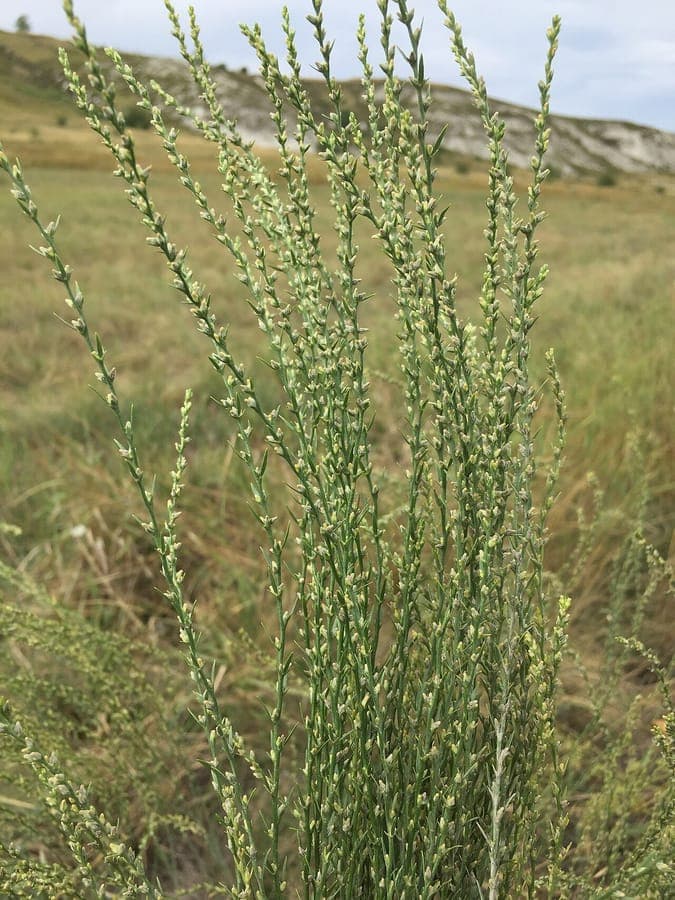
Annual thymelaea is a slender, inconspicuous plant reaching approximately 40 centimeters tall. Small, narrow leaves are green to grey-green colored. Flowers are minute green blooms from August through October. They grow in tight clusters. The plant dies after seed set.
Ideal Location
This plant thrives in full sun. Position in sunny locations with 8+ hours of direct sunlight. Annual thymelaea tolerates partial shade but grows more sparsely. An open, airy position promotes healthy development.
Soil
Annual thymelaea prefers alkaline soils with pH 7.5-8.0. Well-drained, calcareous soil is ideal. Heavy clay must be avoided. Poor, stony soils are well tolerated.
Free design
Want to see Annual thymelaea: complete guide in your garden? Make a free design now.
Watering
Water regularly after sowing until germination. Mature plants are drought tolerant and need minimal water. Twice monthly watering during growth suffices. Excess moisture must be avoided.
Pruning
Annual thymelaea requires no maintenance. The plant naturally dies after blooming. Seeds can remain for natural self-sowing next season. Damaged plants can be removed.
Maintenance Calendar
May-June: Sow seeds on prepared bed. July-August: Plant grows, minimal care. September-October: Flowering and seed set. November: Plant dies, collect seed.
Winter Hardiness
Annual thymelaea is cold-tolerant. It grows in all temperate climates. After autumn self-sowing, plants can overwinter and emerge early spring.
Companion Plants
Grows well in wildflower mixes with other drought-tolerant species. Combine with Poppy, Cornflower, and other wildflowers for natural effects.
Conclusion
Annual thymelaea adds wild beauty to dry garden areas. Ideal for ecological gardens and wildflower projects. Collect seeds for next year. Purchase seed from garden centers.
Visit gardenworld.app/en for more wildflower tips and gardenworld.app/en for natural garden solutions.
Want to see Annual thymelaea: complete guide in your garden? Make a free design now.
Upload a photo, pick a style, and get a photorealistic design with plant list in under a minute.
No credit card required


Similar plants
Thymelaea sanamunda: complete guide
Thymelaea sanamunda
Full guide to growing Thymelaea sanamunda, a rare Mediterranean subshrub from southern France and Spain. Care, soil and location tips.
Daphne pontica: complete guide to Pontic daphne
Daphne pontica
Pontic daphne from southeast Europe: compact evergreen shrub, intensely fragrant spring flowers, toxic. Prefers partial shade and well-drained soil.
Winter daphne (Daphne odora): complete guide
Daphne odora
Learn how to grow fragrant winter daphne for year-round garden interest. This cold-hardy shrub blooms in winter and fills gardens with intoxicating perfume.