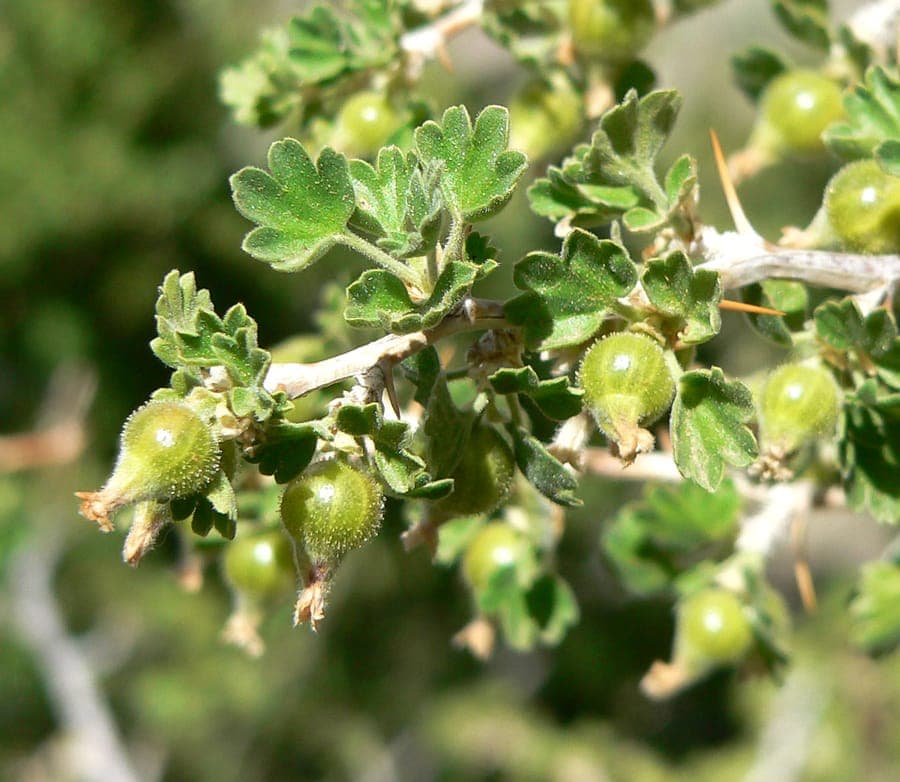
Stan Shebs / CC BY-SA 3.0, via Wikimedia Commons
Ribes velutinum: complete guide
Ribes velutinum
Want to see Ribes velutinum: complete guide in your garden?
Full design in HD: €7.99
Look after your Ribes velutinum with the GardenWorld app
Identify plants with your camera and get a care calendar with reminders for this plant.


Overview
Ribes velutinum, known as Desert gooseberry, is one of the most drought-tolerant American Ribes species. This hardy shrub originates from mountain deserts of America. It grows from Arizona to Washington and from California to Mexico.
This plant is the ultimate choice for extreme drought and mineral soils. For garden designers working with minimal water input, this is a perfect partner.
Appearance and Bloom
Desert gooseberry is a deciduous shrub approximately 0.5 to 1.5 meters tall. The plant has a compact, rounded growth habit with numerous fine thorns. The overall appearance looks robust and adapted.
The leaves are very small, approximately 0.5-1 cm, giving the plant a collected appearance. They are green and pubescent, offering protection against desiccation. In dry summers, leaves may partially drop.
The flowers are small but lovely, approximately 5-7 mm, appearing May-June. They are light red to pink colored with visible stamens. The bloom is light but attractive to insects and birds.
From July to September, berries ripen into small, approximately 0.6 cm, dark berries. These are valuable bird food in desert ecotypes.
Ideal Location
Desert gooseberry grows only in full sun locations. The plant accepts no shade. Sun is essential for optimal growth and flowering.
The plant is absolutely drought-tolerant and can grow years without supplemental water. This makes it ideal for desert gardens, arid mountain slopes, and rocky outcrops.
Plant in very well-drained soils. Water stagnation is deadly for this plant.
Soil
Ribes velutinum grows in very lean, sometimes even toxic soils. The plant is naturally naturalized in sand-stone mixtures of desert mountain regions. It tolerates extremely alkaline pH and can even grow on pure rock.
When planting, do not add compost or rich soil, this can lead to oversensitivity. Mineral soil, gravel, and small stones are preferred. Add sand to heavier soils.
Free preview
Want to see Ribes velutinum: complete guide in your garden? Make a free preview of your design.
Watering
Desert gooseberry requires practically no water once established. Even young plants need much less water than other Ribes. Water young plants only in very extreme drought, approximately once per month.
Overwatering causes decline. This plant grows better in scarcity than abundance. Let the plant under-water because this encourages stronger root systems.
Pruning
Desert gooseberry requires practically no pruning. Dead branches can be removed in late winter if necessary. The plant grows slowly and naturally maintains a compact form.
The numerous thorns require careful handling if necessary maintenance is required.
Maintenance Calendar
Spring (March-May): Prune dead wood if needed. Observe flowering. No watering needed.
Summer (June-August): Follow berry formation. Water only in very extreme drought.
Autumn (September-November): Plant enjoys drier conditions. No watering needed.
Winter (December-February): Plant is winter hardy. No protection needed. Can tolerate full snow.
Winter Hardiness
Desert gooseberry is extremely winter hardy to about -20C and even colder. This makes it suitable for all European climate zones. The plant naturally grows in regions with severe winters.
Companions and Partners
Desert gooseberry associates well with other desert natives such as Cercocarpus, Ephedra, and other bare wood. Plant with other mineral-preferring plants such as mountain agave, yucca, and other succulents.
In mixed desert borders, this plant is essential. The form contrasts beautifully with larger flowering shrubs.
Closing
Ribes velutinum offers unique value for extreme drought conditions. For garden owners in water-scarce regions or those wishing to experiment with minimal-water planting, this is an excellent and reliable choice.
For more information about water-conscious designs visit gardenworld.app. GardenWorld helps you apply desert natives in your garden.
Frequently asked questions about Ribes velutinum
Is Ribes velutinum winter hardy?
Desert gooseberry is extremely winter hardy to about -20C and even colder. This makes it suitable for all European climate zones.
When and how do you prune Ribes velutinum?
Desert gooseberry requires practically no pruning. Dead branches can be removed in late winter if necessary.
How much water does Ribes velutinum need?
Desert gooseberry requires practically no water once established. Even young plants need much less water than other Ribes.
Where does Ribes velutinum grow best?
Desert gooseberry grows only in full sun locations. The plant accepts no shade.
What soil does Ribes velutinum need?
Ribes velutinum grows in very lean, sometimes even toxic soils. The plant is naturally naturalized in sand-stone mixtures of desert mountain regions.

See it in your garden
See Ribes velutinum in your garden
One photo of your garden and a few questions. You see the result in about a minute.
Try it with a photoIdentify this plant in your own garden. Identify a plant
Similar plants
Jostaberry: complete guide to planting, pruning and harvest
Ribes × nidigrolaria
Everything about the jostaberry (Ribes × nidigrolaria), the thornless blackcurrant and gooseberry cross: position, soil, pruning, harvest and care month by month.
Canadian gooseberry: complete guide
Ribes oxyacanthoides
Discover the Canadian gooseberry, an extremely hardy North American fruit shrub with bristly stems and tart berries for jams and orchards.
Ribes bracteosum: complete guide to this Pacific Northwest shrub
Ribes bracteosum
Grow stink currant, a hardy Pacific Northwest shrub with deep-lobed foliage, fragrant blooms, and dark berries attractive to birds.
