
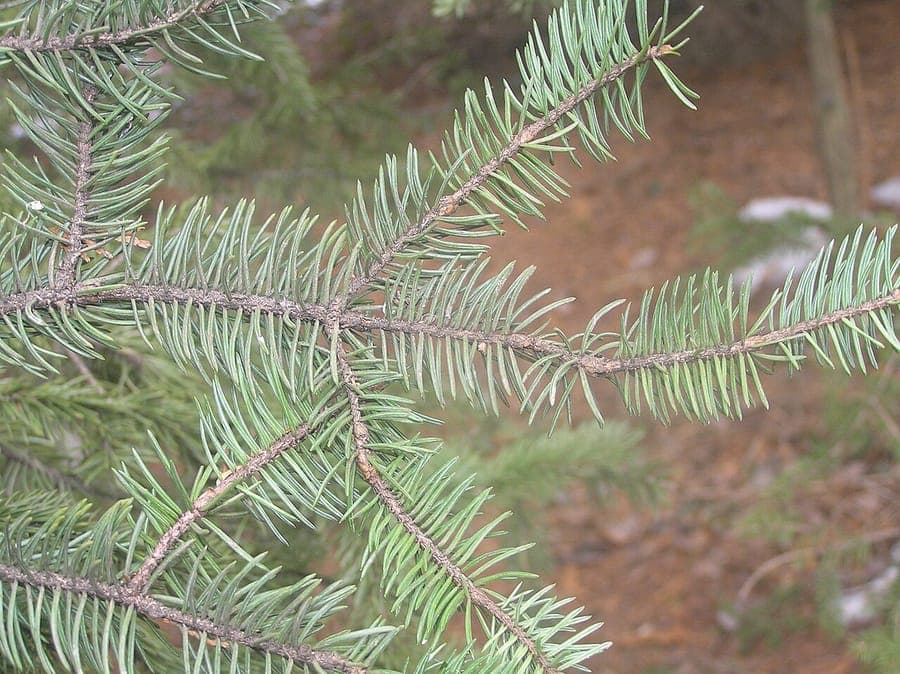
Petr Filippov / CC BY-SA 3.0, via Wikimedia Commons
Picea meyeri: complete guide
Picea meyeri
Want to see Picea meyeri: complete guide in your garden?
1 minute, no credit card
Overview
Meyer's Spruce (Picea meyeri), also known by its Chinese names "Bai Qian" or "mai shi yun shan", is a rare and highly valued spruce native to northern China (Inner Mongolia). This compact, elegantly shaped conifer is treasured by Japanese garden enthusiasts and botanists worldwide. With its characteristic blue-green needles, symmetrical growth form, and enduring beauty, Picea meyeri offers a unique addition to any garden. At gardenworld.app, we help you integrate this exclusive tree perfectly into your design.
Appearance & Growth
Picea meyeri is a dwarf spruce growing slowly to 4-6 meters tall and 2-3 meters wide. The tree naturally forms a tight, conical shape without requiring heavy pruning. The needles are short, closely spaced, and feature a characteristic blue-green color that is particularly striking in spring and autumn. New spring growth is extra blue-silver in color.
The branches are short and stiff, giving the tree a very neat and formal appearance. Even in winter, the needles retain their beautiful color. Young cones are purple-red before turning brown.
Ideal Location
Picea meyeri thrives in full sun, requiring at least 6 hours of direct sunlight daily. The tree tolerates full sun well and is poorly suited to shady locations where the needles may lose their characteristic blue color. Shade can also lead to weak growth.
The tree is reasonably wind-tolerant but does not do well in strong, continuous winds. Choose a location with moderate wind or wind-break protection.
Soil
Picea meyeri prefers well-draining, sandy or loamy soil. The tree performs better in acidic soils with a pH between 5.0 and 6.5. Heavy clay soils must be improved with sand, garden soil, or other draining materials.
The tree cannot tolerate waterlogging; good drainage is essential. In wet soils, roots can rot. Mulching with sand or gravel helps maintain drainage and pH.
Free design
Want to see Picea meyeri: complete guide in your garden? Make a free design now.
Watering
Picea meyeri requires well-draining soil and regular but careful watering. After planting, water more thoroughly during the first growing season. Once established (after 2-3 years), this tree becomes quite drought-tolerant.
Water only when the soil feels dry; waterlogging is harmful. In wet winters, pay attention to drainage. Young planted trees may need occasional watering during dry summers.
Pruning
Picea meyeri requires minimal pruning due to its naturally symmetrical form. Remove only dead, damaged, or diseased branches in early spring. Avoid excessive pruning as it can disturb the tree's natural elegance.
General shape pruning is rarely needed. Check for pest and fungal issues, especially in dense areas.
Maintenance Calendar
March-April: Inspect for damage, remove dead branches, add mulch. May-June: Regular watering for young trees, monitor growth. July-August: Minimal care, water control during dry periods. September-October: Regular watering as growth slows, enjoy autumn color. November-December: Minimal care, check drainage for overwintering. January-February: Prune damaged branches if possible during mild weather.
Winter Hardiness
Picea meyeri is very winter-hardy in the Netherlands, tolerating temperatures down to -20 to -25 degrees Celsius. In fact, this tree performs better in climates with cold winters as it is naturally from mountain regions.
This is a plant that can grow in all Dutch regions without extra winter protection. Newly planted specimens may benefit from mulching to protect young roots.
Companion Plants
Picea meyeri works beautifully as a specimen tree but can also be combined with:
- Acer palmatum (Japanese maple) - similar aesthetic
- Buxus sempervirens (Box hedge) - formal green contrast
- Helleborus niger (Christmas rose) - foot level color
- Heuchera (Coral bells) - groundcover contrast
- Fatsia japonica (Japanese aralia) - foliage texture contrast
These combinations create elegant, Japanese garden aesthetic arrangements.
Conclusion
Picea meyeri is an exceptional choice for gardeners seeking exclusivity and elegance. With its blue needles, perfect form, and strong structure, this tree offers year-round beauty and formal refinement. Discover more conifers and design your dream garden at gardenworld.app.
Want to see Picea meyeri: complete guide in your garden? Make a free design now.
Upload a photo, pick a style, and get a photorealistic design with plant list in under a minute.
10,000+ gardens designed already
No credit card required


Similar plants
Abies delavayi: complete guide
Abies delavayi
Delavayi fir is an elegant, medium-sized coniferous tree from the Pinaceae family with dark green needles. This Asian evergreen is perfect for alpine gardens and large landscapes.
Taiwan fir: complete guide
Abies kawakamii
Discover the magnificent Taiwan fir, a rare evergreen conifer from Taiwan's mountain regions. Learn growth requirements, care tips, and why this beautiful tree is perfect for collectors of unique garden specimens.
Farges fir: complete guide
Abies fargesii
Discover the majestic Farges fir, an impressive conifer from China's mountains with elegant foliage and columnar form. Ideal for large gardens.