
Balsa
Ochroma pyramidale

Buy Balsa
BalsaOchroma pyramidale
Also useful: Balsa plant food, Pruning shears
As an Amazon Associate we earn from qualifying purchases. It costs you nothing extra.
Care
All about Balsa
Overview
The balsa tree is a tropical tree native to Central and South America. This tree is famous for its extraordinarily light wood, balsa wood, which is used for countless industrial and craft applications. This is one of the fastest-growing trees in the world.
Appearance and bloom
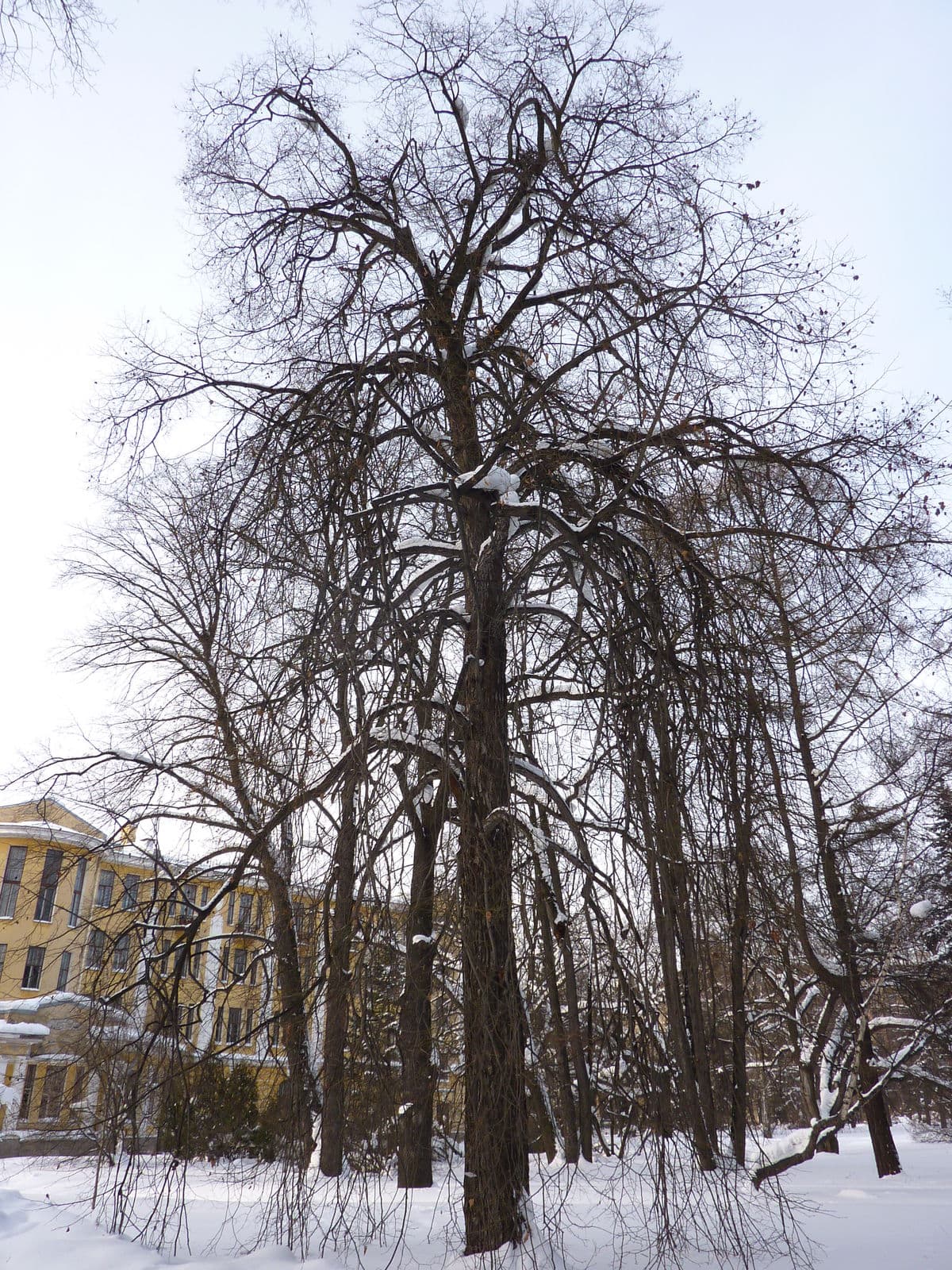
The balsa tree is a fast-growing tree that can reach 20-30 meters tall with a straight trunk and wide-spreading branches. It has large, feathered leaves. The tree blooms with large, striking white to yellow flowers that open at night.
Ideal location
This tree grows best in warm, humid tropical locations with temperatures of 20-27 degrees Celsius. It needs plenty of sunlight and grows rapidly in bright light. Plant in a sheltered spot without strong wind.
Soil
Balsa wood grows in well-draining, fertile soil with pH 5.0-7.0. The tree is not very fussy but grows better in fertile soils. Ensure good drainage.
Watering
Keep the soil regularly moist, especially when the tree grows rapidly. Young trees need frequent watering. During dry periods, water more. Mulching helps retain moisture.
Pruning
Minimal pruning needed because the tree naturally has a good shape. Remove dead or diseased branches. Excessive pruning can slow growth.
Maintenance calendar
Spring: Plant young trees. Begin watering. Summer: Monitor water, check for disease. Fall: Prepare for harvest. Winter: Harvest mature wood.
Winter hardiness
The balsa tree is not winter-hardy and only grows in tropical climates. Minimum temperatures must be above 10 degrees Celsius, ideally 15-20 degrees Celsius or higher.
Companion plants
Other tropical trees like mango, avocado and cacao are good neighbors. This combination creates a diverse tropical tree garden.
Closing
The balsa tree is a fascinating tropical tree with industrial value and rapid growth. With regular care and warm temperatures, you can grow this unique tree at home. For more information, visit gardenworld.app/en and gardenworld.app/nl.

See it in your garden
See Balsa in your garden
One photo of your garden and a few questions. You see the result in about a minute.
Try it with a photoIdentify this plant in your own garden. Identify a plant
Similar plants
Sources: own text.
Spotted a mistake? Let us know.As an Amazon Associate we earn from qualifying purchases. It costs you nothing extra.