Red Spider Lily
Lycoris radiata
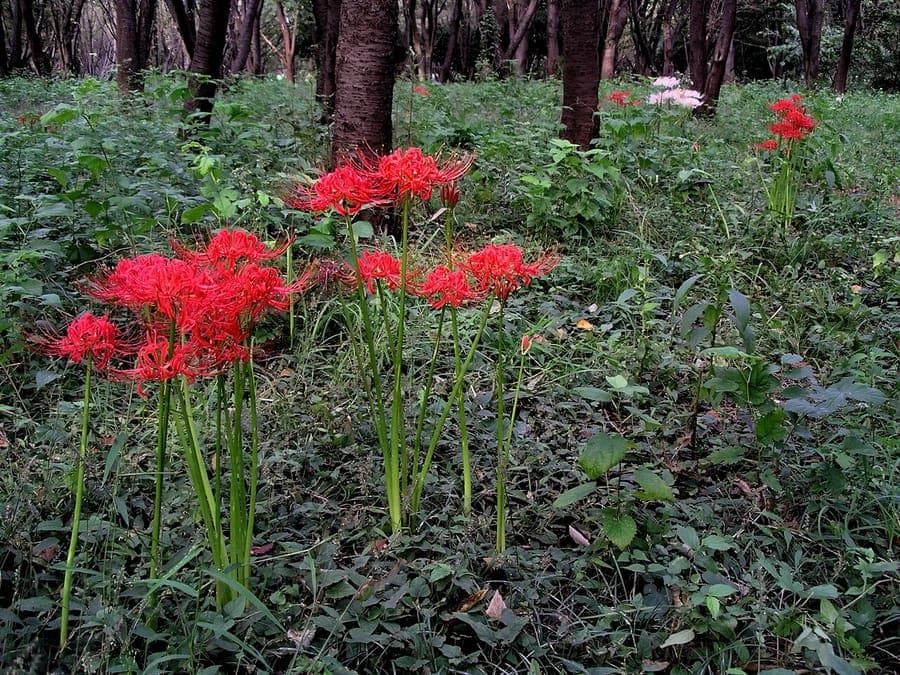
Buy Red Spider Lily
Red Spider LilyLycoris radiata
Also useful: Red Spider Lily plant food, Pruning shears
As an Amazon Associate we earn from qualifying purchases. It costs you nothing extra.
Care
All about Red Spider Lily
Look after your Red Spider Lily with the GardenWorld app
Identify plants with your camera and get a care calendar with reminders for this plant.


Overview
The red spider lily (Lycoris radiata) is a stunning autumn bloomer originating from Nepal, China, and Japan. This fascinating plant is renowned for its delicate, spider-like flowers that seem to defy nature's usual design. With their vibrant red to reddish-orange hues, these blooms are a true garden spectacle. This bulb typically flowers in late summer and fall, particularly in September and October, and is known for producing results quickly after planting.
Appearance and bloom
The red spider lily is a bulbous plant that grows approximately 30 to 50 centimeters tall. Its most distinctive feature is its flowers with long, curled petals in bright red to reddish-orange. The flowers grow in clusters and genuinely resemble spiders with long legs. Each bulb can produce multiple flower stems, resulting in a flood of color. Blooming occurs from August through October and is typically very abundant. After flowering, long, narrow leaves emerge that remain green throughout winter.
Ideal location
Red spider lilies prefer sunny to partially shaded spots. Ideally, a location receiving at least four to six hours of direct sunlight daily. This encourages blooming and supports strong, healthy plants. In warm climates, some afternoon shade is beneficial, especially during hot summers. Ensure the location is well-protected from strong winds, which can damage the delicate flower stems.
Soil
The red spider lily is not particularly fussy about soil composition but thrives in well-draining soil. Add compost or garden soil to heavy clay soils to improve drainage. This plant naturally has no preference for specific pH, though neutral to slightly acidic soils (pH 6.0 to 7.0) are optimal. Ensure sufficient organic matter by incorporating compost annually.
Watering
Red spider lilies have moderate water requirements. During the growing season and bloom (autumn), water regularly but not excessively. Ensure the soil remains moist but not waterlogged. In spring and summer, when the plant is dormant (leafless), it needs little water. Significantly reduce watering frequency and only water if the soil becomes very dry. Excessive water can lead to bulb rot.
Pruning
Red spider lilies require minimal pruning. Remove wilted flowers to keep the plant neat, but this is not essential. Allow leaves to remain until late winter so they can nourish the bulbs. Only in May or June, once all leaves are completely withered, can they be removed. This ensures the bulb stores enough nutrients for next year's bloom.
Maintenance calendar
FEBRUARY - APRIL: Plant red spider lily bulbs in August or September. Let them take effect quickly and enjoy the preparation.
MAY - JULY: Ensure dormant bulbs remain dry and quiet. Reduce watering significantly. This is the rest period.
AUGUST - OCTOBER: Begin watering as new growth starts. Enjoy the spectacular bloom. This is the highlight!
NOVEMBER - JANUARY: Remove wilted flowers. Leaves remain to feed the bulb. Fertilizing can be beneficial.
Winter hardiness
Red spider lilies are generally freeze hardy to USDA zone 7a or 6 (-15 to -20°C). In colder regions, bulbs must be lifted in fall and stored in a cool, dry place. In temperate climates, they can remain in the ground if planted in a sheltered spot. Mulch also helps protect bulbs from extreme freezing.
Companion plants
Red spider lilies look beautiful alongside autumn bloomers such as:
Frequently asked questions about Red Spider Lily
Is Red Spider Lily winter hardy?
Red spider lilies are generally freeze hardy to USDA zone 7a or 6 (-15 to -20°C). In colder regions, bulbs must be lifted in fall and stored in a cool, dry place.
When and how do you prune Red Spider Lily?
Red spider lilies require minimal pruning. Remove wilted flowers to keep the plant neat, but this is not essential.
How much water does Red Spider Lily need?
Red spider lilies have moderate water requirements. During the growing season and bloom (autumn), water regularly but not excessively.
Where does Red Spider Lily grow best?
Red spider lilies prefer sunny to partially shaded spots. Ideally, a location receiving at least four to six hours of direct sunlight daily.
What soil does Red Spider Lily need?
The red spider lily is not particularly fussy about soil composition but thrives in well-draining soil. Add compost or garden soil to heavy clay soils to improve drainage.

See it in your garden
See Red Spider Lily in your garden
One photo of your garden and a few questions. You see the result in about a minute.
Try it with a photoIdentify this plant in your own garden. Identify a plant
Similar plants
Sources: own text.
As an Amazon Associate we earn from qualifying purchases. It costs you nothing extra.