Pheasant berry
Leycesteria formosa
Buy Pheasant berry
Pheasant berryLeycesteria formosa
Also useful: Pheasant berry plant food, Pruning shears
As an Amazon Associate we earn from qualifying purchases. It costs you nothing extra.
Care
All about Pheasant berry
Look after your Pheasant berry with the GardenWorld app
Identify plants with your camera and get a care calendar with reminders for this plant.


Overview
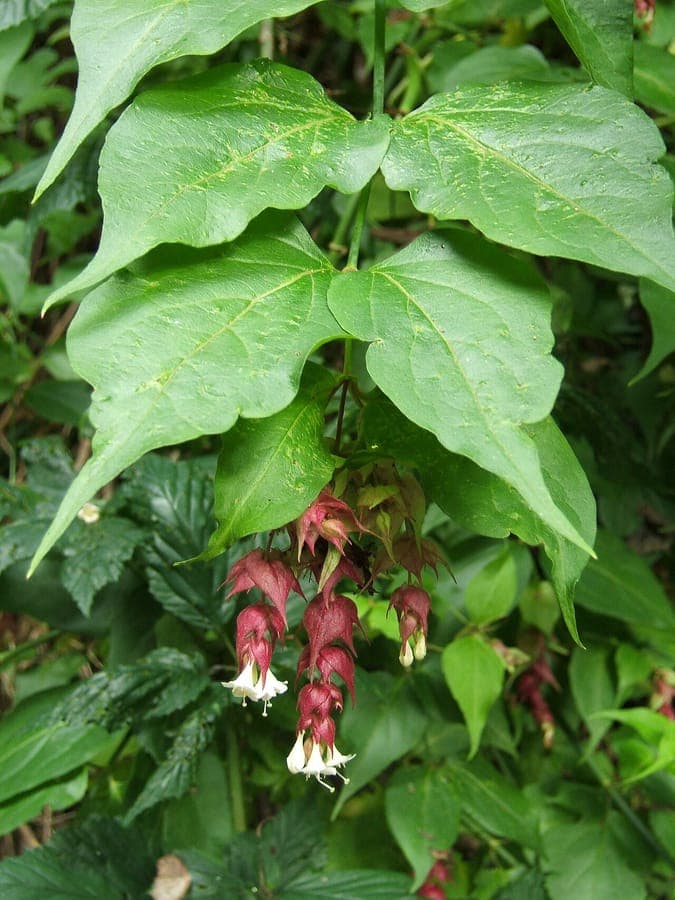
The Pheasant berry (Leycesteria formosa), also called Himalayan honeysuckle, is a surprisingly elegant shrub native to the mountain forests of Nepal, Tibet, and southwestern China. This semi-evergreen shrub functions as an ornamental fruit-producer with striking drooping white flowers and dark, nearly black berries that attract pheasants and other birds. With its exotic appearance and relative hardiness, it's an excellent choice for temperate gardens. On gardenworld.app, the Pheasant berry fits perfectly in ecological planting designs where you want to combine bird food and flowering beauty.
The plant blooms for an extended period - from August through October - producing bird food in the form of sweet, dark berries. This makes it highly valuable for gardens where you want to encourage wildlife and natural processes. Plant it as a solitary accent, in groups, or as background layer in mixed shrub plantings.
Appearance and bloom
The Pheasant berry grows as an upright to slightly arching shrub, typically 1-2 meters (3-6 feet) tall and equally wide. Leaves are lanceolate, dark green, semi-evergreen (remaining partially through winter in temperate climates). The green stems are characteristically reddish-brown tinged, especially at the tips.
Flowers appear August through October in drooping racemes, each approximately 10-15 cm long. The individual flowers are small, cream-white to blue-white, extremely numerous, and remarkably fragrant - a strong, pleasant aroma. After flowering, blooms mature into berries that begin green, turn brown, and finally ripen to dark purple-black. These berries are crucial for bird feeding in autumn and early winter.
Ideal location
The Pheasant berry thrives in full sun to half-shade. Position it where it receives at least 4-5 hours of direct sunlight. The plant appreciates shelter from stormy winds, especially since its semi-evergreen foliage can be sensitive in extreme cold. A southeast- to south-facing position is ideal.
On gardenworld.app, place the Pheasant berry as a solitary accent where its flowering period and fruit-bearing beauty shine, or as a background shrub in larger ecological plantings. It suits boundaries and natural woodland edges beautifully.
Soil and nutrition
The Pheasant berry is moisture-loving and grows best in moist, nutrient-rich soils. Neutral to slightly acidic earth (pH 6.0-7.0) is ideal. Heavy clay is tolerated well provided drainage is adequate. The plant benefits from organic compost at planting and annual compost additions to improve moisture retention.
Once established, the plant needs moderate feeding. In nutrient-poor soils, apply slow-release fertilizer during the growing season. Excess fertility encourages rank growth at the expense of flowering.
Watering
The Pheasant berry is moisture-loving, and in its first year, water regularly, especially during dry periods. Keep soil around roots moist without waterlogging. Once well-established, the plant tolerates moderate drought but grows best when kept moist.
During summers with normal rainfall, supplemental water is usually unnecessary. During exceptionally dry seasons or in arid sites, you can water during August-September to support flowering and fruiting.
Pruning and maintenance
The Pheasant berry requires minimal pruning. Allow it to assume its natural form. Remove only dead or damaged wood, especially after winter. Since the plant annually produces long, thin shoots, you can shorten these after flowering (October-November) to encourage compact growth.
If the plant becomes overly large, you can halve it after flowering. This stimulates denser branching. Don't remove all berries: leave some for wildlife feeding.
Maintenance calendar
March-April: Plant new specimens or perform formative pruning on established plants.
May-July: Plant grows rapidly. Water regularly during dry periods.
August-October: Flowering and fruiting. Enjoy blooms and bird activity.
November-December: Berries ripen. Plant enters dormancy.
January-February: Winter rest. Check for frost damage. Remove dead wood.
Winter hardiness
The Pheasant berry is reasonably hardy in USDA zones 7-9, tolerating temperatures down to approximately -10°C (14°F). In the Netherlands and Belgium, the plant requires protection or annual replanting in severe winter situations. In southern France and the German Rhein valley, it thrives as a permanent resident.
In harsher regions, protect with straw or leaves around the base in December. In extremely cold areas, you can treat it as a bedding plant, replanting annually.
Companion planting
The Pheasant berry pairs beautifully with:
- Late-season bloomers: Aster and chrysanthemum provide color contrast.
- Bird-attracting plants: Holly, rowan, and other berry-producers form ecological planting groups.
- Moisture-loving underplanting: Hostas and ferns beneath create leaf structure.
- Climbing plants: Ivy and climbing hydrangeas provide background structure.
On gardenworld.app, visualize a bird-friendly, autumn-focused planting combination.
Final tips
The Pheasant berry is invaluable for gardens that want ecological value and bird food. Position it where you can observe birds enjoying the berries. Leave some berries for seed dispersal. The extended flowering period (August-October) makes it valuable for late-season pollinators.
For an ecological garden design on gardenworld.app, the Pheasant berry integrates beautifully as a bird-feeding shrub and extended-bloom element. With photorealistic visualization, see how butterflies and birds visit your garden. Design your wildlife paradise now.
Frequently asked questions about Pheasant berry
Is Pheasant berry winter hardy?
The Pheasant berry is reasonably hardy in USDA zones 7-9, tolerating temperatures down to approximately -10°C (14°F). In the Netherlands and Belgium, the plant requires protection or annual replanting in severe winter situations.
When and how do you prune Pheasant berry?
The Pheasant berry requires minimal pruning. Allow it to assume its natural form.
How much water does Pheasant berry need?
The Pheasant berry is moisture-loving, and in its first year, water regularly, especially during dry periods. Keep soil around roots moist without waterlogging.
Where does Pheasant berry grow best?
The Pheasant berry thrives in full sun to half-shade. Position it where it receives at least 4-5 hours of direct sunlight.
What soil does Pheasant berry need?
The Pheasant berry is moisture-loving and grows best in moist, nutrient-rich soils. Neutral to slightly acidic earth (pH 6.0-7.0) is ideal.

See it in your garden
See Pheasant berry in your garden
One photo of your garden and a few questions. You see the result in about a minute.
Try it with a photoIdentify this plant in your own garden. Identify a plant
Similar plants
Sources: own text.
As an Amazon Associate we earn from qualifying purchases. It costs you nothing extra.