Umbrella sedge
Cyperus eragrostis
Buy Umbrella sedge
Umbrella sedgeCyperus eragrostis
Also useful: Umbrella sedge plant food, Pruning shears
As an Amazon Associate we earn from qualifying purchases. It costs you nothing extra.
Care
All about Umbrella sedge
Look after your Umbrella sedge with the GardenWorld app
Identify plants with your camera and get a care calendar with reminders for this plant.


Overview
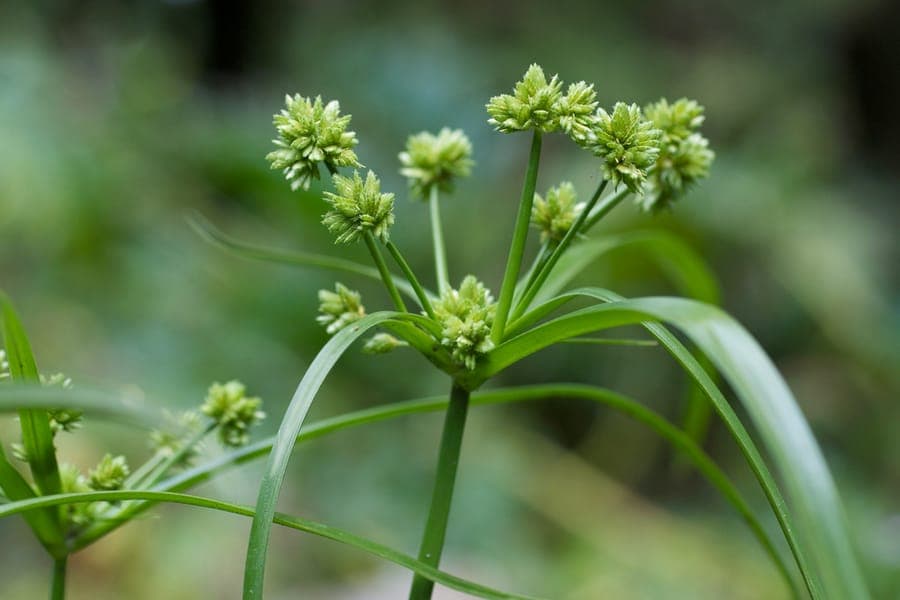
Umbrella sedge (Cyperus eragrostis) is a perennial sedge grass native to America. This decorative plant is known for its elegant, umbrella-like foliage formations atop slender stems. The grass thrives in moist and wet areas where many other plants struggle.
Appearance and Growth
Umbrella sedge forms dense, upright clumps 30-90 cm tall. The characteristic foliage formations resemble umbrellas, hence the name. The plant has fine, yellowish flower spikes from July to October. This grass provides structure and movement in gardens with its dancing leaves.
Ideal Location
Umbrella sedge thrives in full sun to partial shade. It grows best along pond banks, in marshy and moist zones. Place it where water can accumulate or is regularly present. It can even grow in large containers submerged in water.
Soil Requirements
This grass tolerates virtually all soil types, especially moist and boggy soils. It grows well in silty and clayey material. pH of 5.5-8.0 is acceptable. Add organic material for better structure.
Watering
Umbrella sedge needs abundant water. Plant in moist ground or along water features. It can even stand several centimeters underwater without issues. Provide artificial watering during dry periods.
Pruning
Remove dead leaves in spring. Pruning is minimal; this grass maintains itself beautifully. Leave dried flower spikes for winter interest.
Maintenance Calendar
April-May: Planting season. June: Growth accelerates in warm weather. July-October: Flower production peaks. November: Leaves dry out, leave for structure. December-March: Winter dormancy, minimal maintenance.
Winter Hardiness
Umbrella sedge is winter hardy to USDA zones 7-8. In colder climates, mulch the base or grow in containers that can be moved indoors. In milder zones, it retains foliage year-round.
Companion Plants
Iris species grow well beside umbrella sedge. Carex species and other water grasses share the same environmental requirements. Pontederia and other water plants complement the grass beautifully.
Closing
Umbrella sedge transforms moist areas into beautiful garden spaces. This easy-to-grow grass adds grace and movement to water features. Plan your water garden design on gardenworld.app with complementary water and marsh plants. Find more inspiration for water-oriented gardens on gardenworld.app.
Frequently asked questions about Umbrella sedge
Is Umbrella sedge winter hardy?
Umbrella sedge is winter hardy to USDA zones 7-8. In colder climates, mulch the base or grow in containers that can be moved indoors.
When and how do you prune Umbrella sedge?
Remove dead leaves in spring. Pruning is minimal; this grass maintains itself beautifully.
How much water does Umbrella sedge need?
Umbrella sedge needs abundant water. Plant in moist ground or along water features.
Where does Umbrella sedge grow best?
Umbrella sedge thrives in full sun to partial shade. It grows best along pond banks, in marshy and moist zones.
What soil does Umbrella sedge need?
This grass tolerates virtually all soil types, especially moist and boggy soils. It grows well in silty and clayey material. pH of 5.5-8.0 is acceptable.

See it in your garden
See Umbrella sedge in your garden
One photo of your garden and a few questions. You see the result in about a minute.
Try it with a photoIdentify this plant in your own garden. Identify a plant
Similar plants
Sources: Trefle, own text.
As an Amazon Associate we earn from qualifying purchases. It costs you nothing extra.