
Димитър Найденов / Dimìtar Nàydenov / CC BY-SA 3.0, via Wikimedia Commons
Crocus pallasii: complete guide
Crocus pallasii
Want to see Crocus pallasii: complete guide in your garden?
1 minute, no credit card
Overview
Crocus pallasii, also called Pallas's saffron, is a fascinating autumn-flowering crocus species. This wild-growing crocus is far less known than cultivars but equally beautiful and arguably more interesting.
Perfect for collectors and garden enthusiasts wanting to experiment with uncommon autumn-flowering bulbs. The tiny bulbs produce substantial flowers and considerable character for autumn gardens.
Appearance & bloom
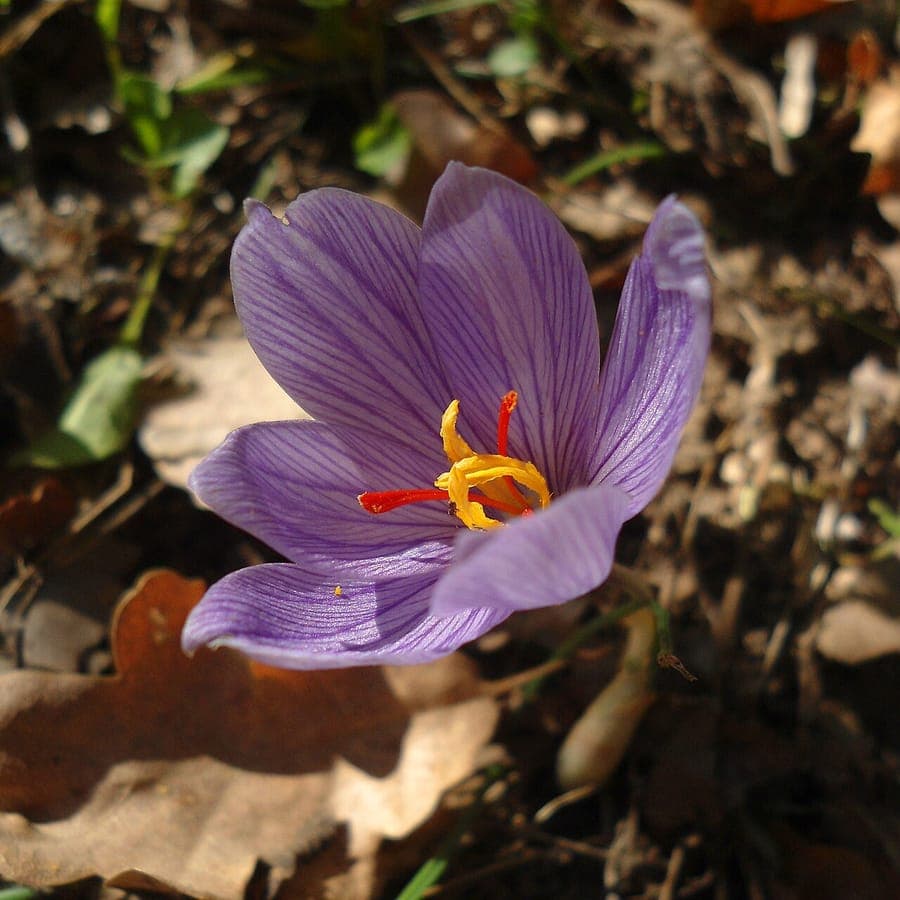
Grows from small bulbs into flowers 8-15 centimeters tall. The flowers appear in various shades - from purplish-red to deeper purple, usually with dark striping on petals. Some specimens produce nearly white flowers with purple tinges.
The style is typically orange-red, contrasting beautifully with the petals. The leaves are narrow and grass-like, green-colored. The flowering period spans October through December.
Ideal location
Performs best in sunny to lightly shaded locations. In the wild, this crocus grows in mountainous and sub-forest terrain. Provide at least 3-4 hours of direct daily sunlight.
Plant this crocus in rock gardens, in crevices between stones, along pathways, or in alpine plantings. It also grows well in pots on terraces.
Soil
Thrives best in well-draining, slightly sandy soil. Waterlogging is harmful for this plant. If you work with heavy clay, add sand, perlite, and gravel to improve drainage.
In pots use alpine potting soil with extra drainage material.
Free design
Want to see Crocus pallasii: complete guide in your garden? Make a free design now.
Watering
Is very drought-tolerant. After planting you need scarcely water. Autumn and winter rains usually provide adequate moisture. During dry periods, light watering helps.
During bloom and post-bloom winter phases you can carefully add some water. After bloom, provide minimal water.
Pruning
Requires no pruning. Spent flowers can be pinched off to prevent self-seeding. Allow foliage to rest undisturbed after bloom so energy returns to bulbs.
Maintenance calendar
August-September: Plant bulbs. October: Leaves and flowers appear. October-December: Full bloom period. December-January: Bloom gradually concludes. January-February: Leaf fall. February-May: Rest period with some growth. June-August: Complete dormancy.
Winter hardiness
Extremely winter-hardy. It tolerates temperatures down to -20 degrees Celsius. Throughout Europe it grows outdoors without protection.
Frost damage is rarely a concern. The natural frost cycle actually helps bulbs.
Companion plants
Crocus pallasii pairs beautifully with Colchicum autumnale and other autumn bloomers. Other crocus species form nice groupings.
Closing
Crocus pallasii is a splendid plant for experimental gardeners. With flowers from October through December, this rare crocus brings unusual autumn beauty.
Want to see Crocus pallasii: complete guide in your garden? Make a free design now.
Upload a photo, pick a style, and get a photorealistic design with plant list in under a minute.
No credit card required


Similar plants
Crocus cartwrightianus: complete guide
Crocus cartwrightianus
Wild saffron crocus from Greece and Crete with delicate purple autumn flowers. Learn how to grow this Mediterranean gem.
Saffron: complete guide
Crocus sativus
How to grow Crocus sativus: care, flowering season, soil and ideal site. Suitable for gardens in temperate climates.