
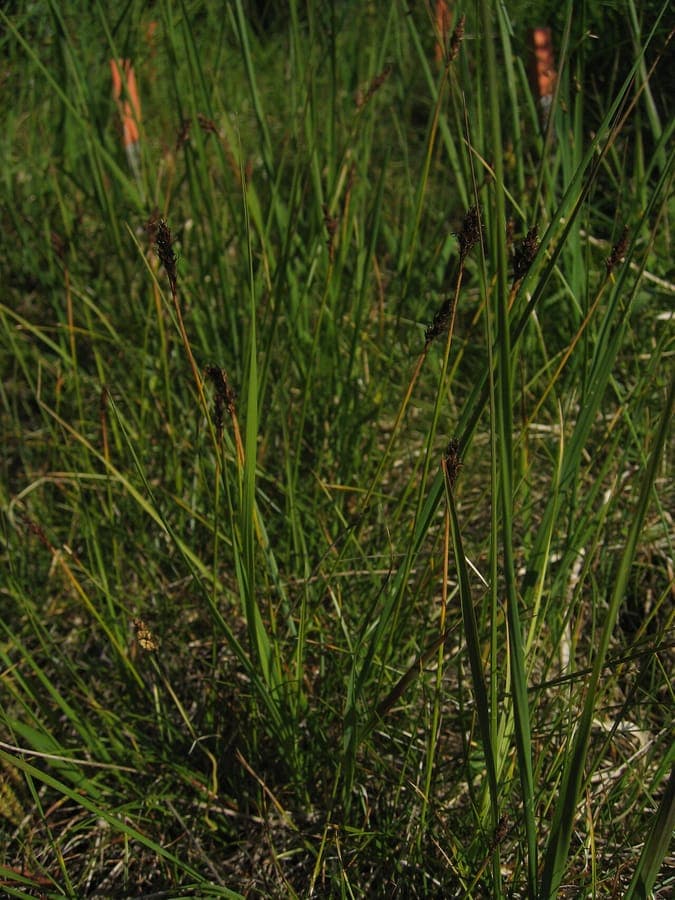
Toni Amnell / CC BY-SA 3.0, via Wikimedia Commons
Carex simpliciuscula: complete guide
Carex simpliciuscula
Want to see Carex simpliciuscula: complete guide in your garden?
1 minute, no credit card
Overview
Carex simpliciuscula, commonly known as simple bog sedge or simple kobresia, is a remarkable graminoid plant found in alpine and subalpine zones of Europe and North America. This plant is perfect for gardeners tackling extreme mountain environments and very cold climates.
The simple sedge grows naturally in alpine meadows, tundra-like zones, and mountain grasslands at enormous elevations. The plant specializes in surviving in difficult, cold environments with poor soils.
Appearance & Bloom
Carex simpliciuscula produces very fine, thin leaves growing densely in compact, low tufts. The plant remains small, usually not exceeding 10-15 centimeters tall, making it perfect for alpine troughs and rockeries.
The leaves display soft green color adapting to seasonal changes. In summer the plant blooms with inconspicuous, compact flowers. The whole plant has a very delicate, almost minimalist appearance.
Ideal Location
Carex simpliciuscula grows optimally in alpine zones with full sun. Provide a location with good mountain landscape views or simulate a mountain environment in your garden.
Plant this sedge in alpine troughs, rockeries, or alpine borders. The plant prefers very well-draining, sharp growing environments. Place in odd-numbered groups for natural effects.
Soil
Carex simpliciuscula grows best in poor, extremely well-draining alpine soils. Use a mixture of sharp sand, small gravel, and minimal organic matter. The plant prefers acidic to neutral pH.
In normal garden soils the plant may struggle without modifications. Dramatically increase drainage by adding sand and gravel. The plant cannot tolerate waterlogged conditions.
Free design
Want to see Carex simpliciuscula: complete guide in your garden? Make a free design now.
Watering
Once established, Carex simpliciuscula requires minimal extra water. The plant grows in zones with limited precipitation. In desert-like, dry mountain environments it's perfectly adapted.
In normal garden conditions water very cautiously; more water can be harmful. During growing periods accept some careful watering, but keep dry during rest periods.
Pruning
Carex simpliciuscula essentially requires no pruning. Let the plant maintain its natural, compact form. Remove only very dead parts in spring. The plant's minimal growth means pruning is practically unnecessary.
Maintenance Calendar
February-March: Check plant for winter damage. Verify drainage.
April-May: Begin careful watering. Monitor growth.
June-August: Minimal water provision. Check drainage during extreme heat.
September-October: Prepare for winter. Check drainage.
November-January: Minimal care. Provide protection in extreme frost.
Winter Hardiness
Carex simpliciuscula is extremely winter hardy, adapted to temperatures to -30 degrees Celsius or lower. This makes it perfect for extreme mountain climates. The plant grows in Himalayas, Alps, and Scandinavian mountain regions.
The plant actually thrives better in extreme cold than in mild winters with high moisture.
Companion Plants
Carex simpliciuscula combines beautifully with other alpine and subalpine plants. Pair with extremely hardy alpines like Saxifraga, Sempervivum, Dianthus, and other rock garden classics.
It works well as contrast plant beside larger alpine flowering plants. The slender form provides elegant background.
Closing
Carex simpliciuscula is ideal for the dedicated alpine gardener who can simulate extreme mountain environments. With its miniature growth, extreme hardiness, and preference for poor, dry soils, it offers unique possibilities. For more alpine plant guides and mountain garden design, visit gardenworld.app for inspiration on how alpine flora can enrich your garden.
Want to see Carex simpliciuscula: complete guide in your garden? Make a free design now.
Upload a photo, pick a style, and get a photorealistic design with plant list in under a minute.
No credit card required


Similar plants
Flat-stemmed club-rush: complete guide
Bolboschoenus planiculmis
Everything about Bolboschoenus planiculmis: growing conditions, watering, care, and use as a pond margin or wetland plant in garden design.
Great Plains flatsedge: complete guide
Cyperus lupulinus
Everything about Great Plains flatsedge (Cyperus lupulinus): growing conditions, care, garden uses, and ecological value. Tips for pond margins and dry sandy soils.
Golden beak sedge: complete guide
Rhynchospora corymbosa
Everything about golden beak sedge (Rhynchospora corymbosa): a dramatic tropical marginal for pond edges, bog gardens, and wet habitats.