
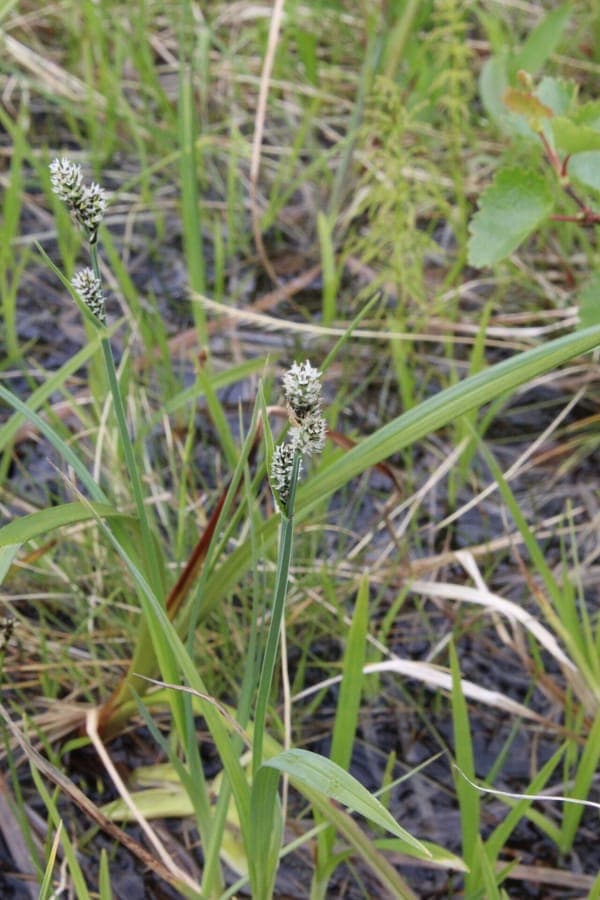
Dmitriy Bochkov / CC BY 4.0, via Wikimedia Commons
Carex adelostoma: complete guide
Carex adelostoma
Want to see Carex adelostoma: complete guide in your garden?
1 minute, no credit card
Overview
Carex adelostoma, commonly known as circumpolar sedge or Morrissey's sedge, is a remarkable graminoid plant native to the subarctic regions of North America, Scandinavia, and Russia. This sedge is perfect for gardeners seeking hardy, low-maintenance plants that thrive in challenging climates. The plant forms dense, compact tufts and offers interesting texture to your garden without demanding constant attention.
This species is particularly valuable for alpine gardens, especially in northern regions where many other plants struggle. The circumpolar sedge grows naturally in cold, moist environments and adapts excellently to demanding conditions.
Appearance & Bloom
Carex adelostoma produces fine, narrow, linear leaves in soft green to mid-green tones, forming neat tufts reaching 20-30 centimeters in height. During summer, the plant produces inconspicuous flowers that are more botanically interesting than visually striking. The delicate foliage creates a fountain-like form that contrasts beautifully with heavier background plantings.
The plant's refined structure makes it an excellent choice for contemporary garden design where texture and subtle interest are valued over bold blooms.
Ideal Location
Carex adelostoma thrives in full to partial sun conditions. In hotter regions, afternoon shade can be beneficial, but the plant generally prefers 4-6 hours of direct sunlight daily. Position this sedge where you want to add fine texture and structure.
It excels along path borders, in alpine troughs, or as accent planting in modern designs. Plant in groups of three to five specimens for maximum visual impact.
Soil
Well-draining soil is essential, particularly during winter months. Carex adelostoma prefers humus-rich, moderately moist soil. Amend planting areas with compost or organic material before planting. The plant tolerates acidic to neutral pH levels well.
Avoid heavy clay soils without good drainage, as this invites root rot. If your garden has clay soil, incorporate additional sand and organic matter. When growing in containers, use standard potting mix with added perlite for superior drainage.
Watering
Water young plants regularly during the first growing season to establish strong root development. Once established, Carex adelostoma handles moisture variations well. Water when soil feels dry to about 5 centimeters deep.
During warm periods, additional watering may be necessary, especially if the plant sits in full sun. In winter, water cautiously but do not allow complete drying. Ensure good soil drainage to prevent water logging.
Free design
Want to see Carex adelostoma: complete guide in your garden? Make a free design now.
Pruning
Carex adelostoma requires minimal pruning maintenance. Remove dead foliage and damaged portions in late winter or early spring. You can gently comb out old leaves using a landscape rake with wide teeth.
If severe winters kill back the entire plant, it typically regrows quickly from root crowns. Avoid aggressive cutting that damages the plant's heart. Allow the plant to maintain its natural growth habit.
Maintenance Calendar
February-March: Remove dead foliage and prepare for growth. Check drainage systems.
April-May: Water young plants as needed. Monitor for new growth emergence.
June-August: Water regularly during dry periods. Watch for pests or disease.
September-October: Add fall-quality amendments with organic material. Prepare for winter conditions.
November-January: Minimal maintenance required. Provide protection during extreme frost.
Winter Hardiness
Carex adelostoma is exceptionally winter hardy, tolerating temperatures well below -20 degrees Celsius without issue. This makes it perfect for northern gardens. The plant even thrives in Scandinavia and northern Alaska.
During harsh frost periods, fine foliage may experience some frost damage, but this typically doesn't harm the plant's core. In extreme conditions, a light mulch covering offers protection, though usually unnecessary.
Companion Plants
Carex adelostoma combines beautifully with other alpine and cold-hardy species. Pair with Sempervivum, small rock garden plants, and other sedges for interesting composition. Also attractive with dwarf conifers like compact spruces.
In borders, it works well with summer bloomers like daisies and small yellow-flowering plants. The sedge's fine texture provides an elegant backdrop for more prominent flowers. Avoid pairing with overly large or heavy plants that might overwhelm its delicate form.
Closing
Carex adelostoma is an excellent choice for gardeners seeking hardy, maintenance-free plants that add texture and year-round interest. For more planting advice and design inspiration, visit gardenworld.app and discover how sedges can transform your garden space into something truly special.
Want to see Carex adelostoma: complete guide in your garden? Make a free design now.
Upload a photo, pick a style, and get a photorealistic design with plant list in under a minute.
10,000+ gardens designed already
No credit card required


Similar plants
Flat-stemmed club-rush: complete guide
Bolboschoenus planiculmis
Everything about Bolboschoenus planiculmis: growing conditions, watering, care, and use as a pond margin or wetland plant in garden design.
Great Plains flatsedge: complete guide
Cyperus lupulinus
Everything about Great Plains flatsedge (Cyperus lupulinus): growing conditions, care, garden uses, and ecological value. Tips for pond margins and dry sandy soils.
Golden beak sedge: complete guide
Rhynchospora corymbosa
Everything about golden beak sedge (Rhynchospora corymbosa): a dramatic tropical marginal for pond edges, bog gardens, and wet habitats.