
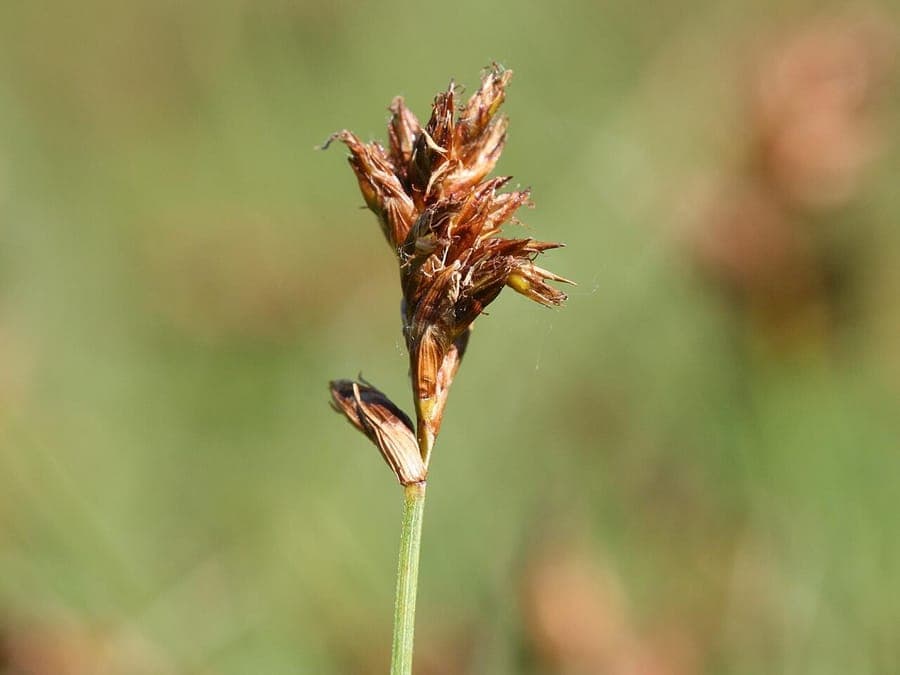
Red bulrush: complete guide
Blysmus rufus
Want to see Red bulrush: complete guide in your garden?
1 minute, no credit card
Overview
Red bulrush (Blysmus rufus) is an elegant sedge plant from the Cyperaceae family, originally native to Northern Europe, Russia and North America. This plant is recognized for its characteristic reddish-brown coloration and preference for wet, marshy conditions. In contemporary gardens, red bulrush is used to establish freshwater marshes and pond edges.
Red bulrush is a perennial plant ideally suited for garden situations with abundant water. It distinguishes itself through compact growth and attractive red tones in the foliage. This plant helps combat erosion along water edges and provides bird food and insect shelter.
Appearance and Growth Pattern
Red bulrush forms neat, grass-like tufts that typically reach twenty to thirty centimeters in height. The leaves are narrow and linear, dark green with reddish-brown spots and tinges, especially at the blade base. This color combination makes the plant highly recognizable and adds visual interest to water-rich gardens.
The inflorescence appears from May through July as small, compact spikelets with reddish-brown coloration. These small flowers do not provide major visual spectacle, but are ecologically important because they provide nectar and insect food.
The plant expands slowly via short underground runners. This results in dense vegetation without aggressive spread. The growth is robust and tolerant of normal water fluctuations in gardens and natural marsh situations.
In autumn the foliage becomes even redder, especially after first frost. These autumn colors make the plant attractive even in late season. The plant dies back in winter and reappears in early spring.
Ideal Location
Red bulrush thrives only in very wet conditions. This could be a marsh area, along a pond edge, or in zones where water stagnates. The plant adapts to both shallow and deeper water edges, typically five to thirty centimeters below water surface.
Full sun to partial shade is ideal. The plant can also grow in shade but produces more green foliage with less red tinting. For maximum red coloration, plant in locations with at least four to six hours of direct light daily.
Protection from strong winds is helpful to prevent damage to thin foliage. A sheltered marsh environment is optimal.
Soil Requirements
Red bulrush prefers heavy, moisture-rich clay and loam soils. The plant grows best in permanent water soil or very high water table areas. For gardens this can mean special marsh soils with high organic matter content.
The soil must always be wet. This distinguishes this plant from most garden plants. Ideal is soil that stays ten to twenty centimeters under water or is regularly flushed.
PH is less critical, though neutral to slightly alkaline is preferred. Medium to high salt content is acceptable for this plant. This makes it suitable for coastal areas and semi-estuarine conditions.
Watering and Moisture Management
For red bulrush, excessive water is not needed - it is absolutely essential. This is not a plant for normal garden soils. Permanent wet to submerged soils are required. In garden situations with artificial ponds, the plant can grow along edges or in shallow zones.
In some garden situations red bulrush can grow in special marsh plant containers placed in water. This gives you more control over water height.
The plant tolerates both fluctuating and static water levels. This makes it suitable for natural marshes where seasonal fluctuations occur. Artificial water movement helps however to combat stagnation and rot.
Free design
Want to see Red bulrush: complete guide in your garden? Make a free design now.
Pruning and Shaping
Red bulrush requires minimal maintenance pruning. Dead foliage can be removed in spring when new growth begins. This is done by carefully cutting old tufts near the ground.
In formally clean gardens you can remove flower seeds for better appearance. This however limits seeding and natural dispersal processes. In nature-oriented gardens the seeds can be retained.
Division can be done every two to three years to remove old material and stimulate vital new growth. This prevents plant clusters from becoming too densely packed.
Monthly Care Calendar
January through March (winter to early spring): Check and adjust water levels to seasonal norms. Cut dead old tufts when new growth becomes visible. Check for frost damage.
April through May (spring): Complete all pruning operations. New plants can now be placed in prepared marsh zones. Check water levels for consistency.
June through August (summer): Expect flowering. Enjoy insect activity. Add water if evaporation is high and levels drop below minimum. Check for unwanted algae growth.
September through October (autumn): Enjoy red autumn colors. Begin plant material preparation for propagation next spring. Clean ponds and perform maintenance before they freeze.
November through December (late autumn through winter): Stabilize water levels for winter. The plant dies back; do not remove all dead material because this provides insulation. Ensure water does not completely freeze for extended periods if possible.
Winter Hardiness
Red bulrush is extremely frost hardy. It naturally occurs from subarctic regions to temperate zones. The plant tolerates temperatures to negative twenty degrees Celsius and colder. In all European gardens it should survive outdoors.
Water edges can freeze, which is normal. Holes in ice ensure gas exchange. In cases where prolonged thick ice forms, caution prevents ice formation longer than two to three weeks.
The plant dies back to soil level in winter, providing protection. This makes it very low maintenance for colder months.
Companion Plants
Red bulrush grows well with other sedges and wetland grasses. Carex pseudocyperus adds height behind red bulrush. Scirpus, another sedge genus, combines well.
Water-loving flowering plants work together with red bulrush. Iris laevigata, Pontederia cordata and Creeping Jenny complement nicely. Sedge varieties with contrasting foliage form interesting plant combinations.
Water-planned backdrop can consist of willows, birches and alders. Small water lovers such as watercress and water mint provide ground level accenting.
Closing Thoughts
Red bulrush is an excellent choice for gardens with wet zones and marsh situations. It adds visual interest, supports wildlife and bird viewing. For more information on wet plant gardens and waterside design, visit gardenworld.app. The platform helps design water-rich gardens with professional knowledge. Other gardeners also share their experience on gardenworld.app for practical aquatic plant care.
Want to see Red bulrush: complete guide in your garden? Make a free design now.
Upload a photo, pick a style, and get a photorealistic design with plant list in under a minute.
10,000+ gardens designed already
No credit card required


Similar plants
Flat-stemmed club-rush: complete guide
Bolboschoenus planiculmis
Everything about Bolboschoenus planiculmis: growing conditions, watering, care, and use as a pond margin or wetland plant in garden design.
Great Plains flatsedge: complete guide
Cyperus lupulinus
Everything about Great Plains flatsedge (Cyperus lupulinus): growing conditions, care, garden uses, and ecological value. Tips for pond margins and dry sandy soils.
Golden beak sedge: complete guide
Rhynchospora corymbosa
Everything about golden beak sedge (Rhynchospora corymbosa): a dramatic tropical marginal for pond edges, bog gardens, and wet habitats.