
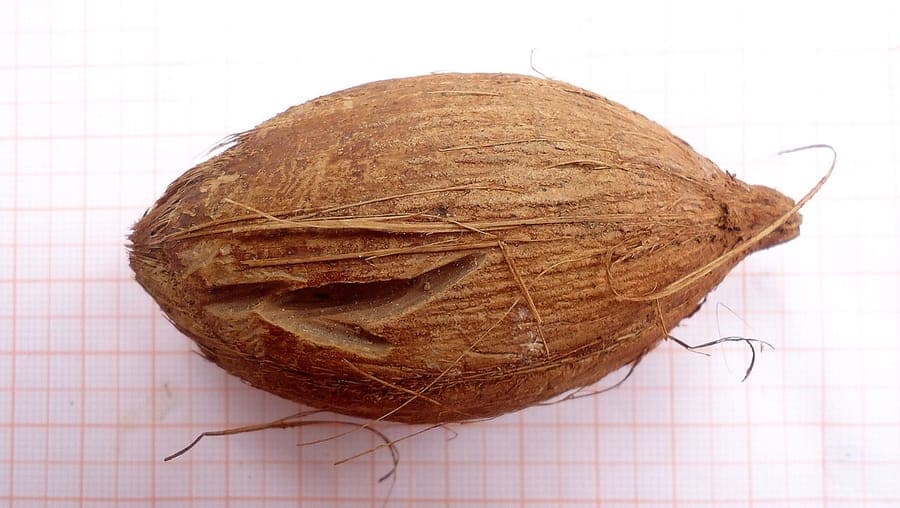
Alex Popovkin, Bahia, Brazil / CC BY 2.0, via Wikimedia Commons
Piassava Palm: Complete Guide
Attalea funifera
Want to see Piassava Palm: Complete Guide in your garden?
1 minute, no credit card
Overview
The piassava palm (Attalea funifera), native to northeastern Brazil, is an elegant palm species prized for its graceful, feathery fronds and stately, slow growth. While originating in tropical climates, this palm can be cultivated in temperate zones under specific conditions, particularly in protected locations or container culture. It represents tropical sophistication for discerning gardeners.
Appearance and Bloom
The piassava palm grows as a mid-sized specimen with a slender, grayish trunk that develops character with age. Pinnately divided fronds, deep green in color, can reach two meters in length under favorable conditions. In maturity, the plant produces golden-yellow to orange inflorescences of considerable size and visual impact. Following pollination, distinctive fruits develop; the fibers of these fruits were traditionally harvested for cordage, hence the common name.
Ideal Location
This palm thrives in bright, sheltered positions. In temperate climates, a south or southwest-facing location is optimal. The plant requires a minimum of six to eight hours of direct daily sunlight for healthy development. In regions with harsh winters, protection from cold winds is essential. Avoid completely shaded locations where growth becomes stunted and weak.
Soil
Rich, organic, well-draining soil is paramount. Combine garden soil with substantial compost or composted bark. A pH of 6.0 to 7.5 suits this species. Heavy clay soils are unsuitable. Incorporate sand or perlite to ensure excellent drainage. Container specimens require repotting every two to three years with fresh, specialized palm potting medium.
Watering
The piassava palm requires regular, consistent moisture without waterlogging. The soil should feel slightly moist but never sodden. During the growing season (spring and summer), increase watering frequency. In winter and dormancy, reduce watering significantly. Misting with room-temperature water in dry indoor air is beneficial.
Free design
Want to see Piassava Palm: Complete Guide in your garden? Make a free design now.
Pruning
Minimal pruning is required as the plant naturally develops an attractive form. Remove only dead or damaged fronds to maintain plant health and appearance. Excessive leaf removal retards growth significantly. Allow the specimen to develop its natural architectural form without aggressive intervention.
Maintenance Calendar
Spring (March-May): Resume growth with increased watering. Fertilize monthly with palm-specific fertilizer. Summer (June-August): Maintain consistent moisture; mist regularly. Apply balanced fertilizer bi-weekly. Autumn (September-October): Gradually reduce feeding. Winter (November-February): Reduce watering; cease fertilization. Maintain temperatures above 10 degrees Celsius.
Winter Hardiness
The piassava palm is frost-tender and cannot tolerate temperatures below 10 degrees Celsius. In temperate climates, the specimen must be moved indoors before winter or protected extensively. In southern Dutch regions, outdoor overwintering is possible with comprehensive frost protection.
Companion Planting
The piassava palm serves spectacularly as a specimen in a large container on a terrace. It combines beautifully with other exotic plants such as banana (Musa), clivia, or bird-of-paradise (Strelitzia). For a tropical island effect, group palms of varying heights. Indoors, it provides architectural elegance and tropical ambiance.
Closing Remarks
The piassava palm brings tropical refinement to temperate gardens. While requiring careful management, every effort yields visual rewards. Plant it in a large container for seasonal mobility. Source specimens from specialized palm nurseries offering quality stock. Gardenworld.app assists in designing gardens where exotic specimens like this thrive magnificently.
Want to see Piassava Palm: Complete Guide in your garden? Make a free design now.
Upload a photo, pick a style, and get a photorealistic design with plant list in under a minute.
No credit card required


Similar plants
Needle palm: complete guide
Rhapidophyllum hystrix
Everything about the needle palm: the world's hardiest palm, suitable for gardens in temperate climates down to USDA zone 7b.
Saw palmetto: complete guide
Serenoa repens
A complete guide to saw palmetto (Serenoa repens), the iconic fan palm from Florida and the southeastern United States, prized for its toughness.
Puerto Rican hat palm: complete guide
Sabal causiarum
Grow Puerto Rican hat palm successfully. A majestic fan palm with tropical presence suited to sheltered Mediterranean-style gardens.