
Alex Lockton / CC BY-SA 4.0, via Wikimedia Commons
Bithynian vetch: complete guide
Vicia bithynica
¿Quieres ver Bithynian vetch: complete guide en tu jardín?
1 minuto, sin tarjeta de crédito
Overview
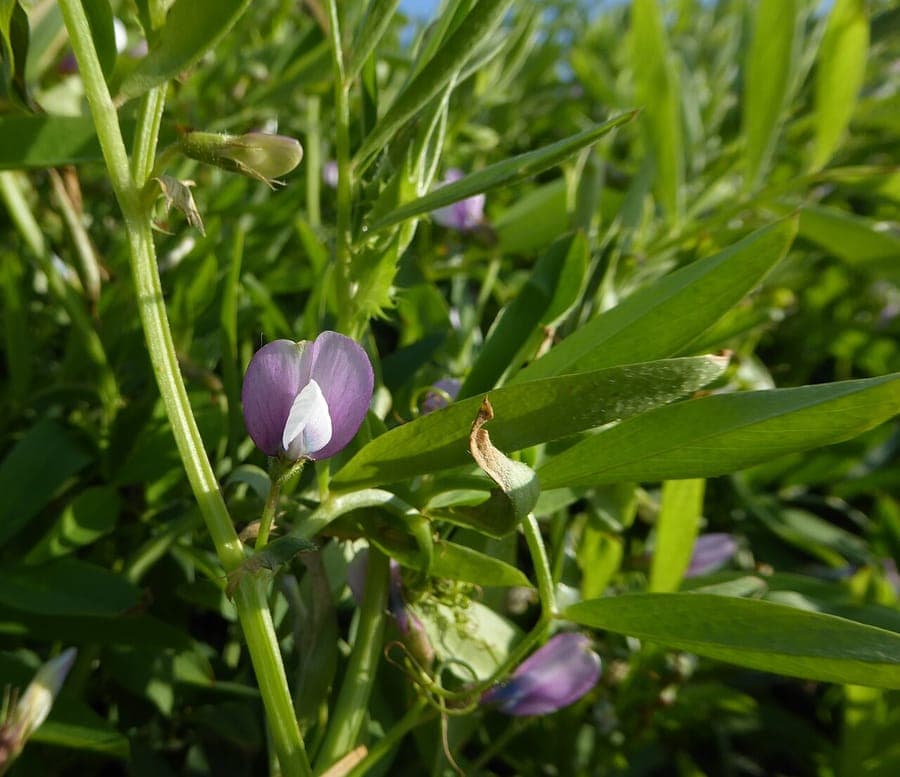
Bithynian vetch (Vicia bithynica) is a charming, low-growing herbaceous plant from the pea family, treasured for its delicate blue flowers. Native to the eastern Mediterranean, Caucasus, and Pakistan, this elegant wildflower adds color and interest to borders, meadows, and naturalized gardens. While not widely cultivated as food, Bithynian vetch serves important ecological roles, attracting pollinators and enriching garden structure.
Appearance and Bloom
Bithynian vetch develops slender, branching stems with pinnate foliage and small tendrils at leaf bases. The plant grows compactly, making it ideal for foreground placement in borders. Blue flowers appear in small clusters from May through June, providing welcome springtime color. After flowering, small seed pods develop, extending seasonal interest. The overall habit is delicate and fine-textured.
Ideal Location
Position Bithynian vetch in full sun to light shade, requiring minimum 8 hours daily light. The plant thrives in open positions with good air circulation. Avoid heavily shaded corners or dense tree cover. Gentle wind exposure actually benefits the plant, promoting strong stem development.
Soil
This vetch prefers lightly alkaline to neutral soil with pH 7.5-8.0. The plant is adaptable regarding soil quality but requires good drainage. Amend clay soils with grit or sand. Modest fertility suffices; excessive fertilization leads to lush foliage at the expense of flowers. Well-draining, moderately fertile soil provides optimal growing conditions.
Watering
Regular moisture during the growing season supports vigorous growth, especially in dry spells. Allow soil surface to dry slightly between waterings but never completely. Once established, the plant exhibits moderate drought tolerance. Water at soil level rather than overhead to minimize fungal issues. Reduce watering as growth slows in late season.
Diseño gratis
¿Quieres ver Bithynian vetch: complete guide en tu jardín? Crea un diseño gratis ahora.
Pruning
As a low-growing herb, this plant rarely requires heavy pruning. Deadhead spent flowers regularly to encourage continuous blooming. Remove damaged or weak stems at the base. Gentle trimming after bloom promotes neat form and fuller branching. Avoid cutting into old wood severely.
Maintenance Calendar
Spring: Water regularly as growth commences. Remove dead foliage. Early cutting of weak shoots. Summer: Deadhead flowers diligently. Maintain consistent moisture during heat. Midsummer trim for shape. Autumn: Reduce watering as growth slows. Clear debris. Winter: In frost-prone areas, protect with mulch; in mild zones, minimal care needed.
Winter Hardiness
Vicia bithynica shows moderate cold hardiness, tolerating temperatures down to -5 to -8 degrees Celsius. In severe climates, grow as an annual or provide straw mulch protection. Snow offers natural insulation. In temperate British and European gardens, the plant survives unprotected; colder continental zones benefit from protective mulching in late autumn.
Companion Plants
Create harmonious combinations by pairing Bithynian vetch with:
- Low geraniums and rock roses
- Fine ornamental grasses like Stipa tenuissima
- Blue agapanthus and dwarf delphiniums
- Soft lavenders and feather grass
- Creeping clematis varieties
- Cushion sedums and creeping phlox
Closing
Bithynian vetch deserves recognition as a refined border plant offering delicate color and ecological benefit. Though requiring some understanding of Mediterranean growing patterns, the plant rewards careful placement with elegant, long-lasting appeal. Source seeds from specialty nurseries. Design complete planting schemes with gardenworld.app, featuring comprehensive guides. Discover more on gardenworld.app for full design and planting strategies.
¿Quieres ver Bithynian vetch: complete guide en tu jardín? Crea un diseño gratis ahora.
Sube una foto, elige un estilo y obtén un diseño fotorrealista con lista de plantas en menos de un minuto.
Más de 10.000 jardines diseñados
Sin tarjeta de crédito


Plantas similares
Cow vetch: complete guide
Vicia cracca
Cow vetch is a vigorous climbing herb with stunning purple flower clusters. Ideal for wildlife gardens. Learn cultivation and important ecological benefits.
Great wood-vetch: complete guide
Vicia dumetorum
Great wood-vetch is an elegant shade-loving climber with delicate white flowers. Perfect for woodland gardens and semi-shaded borders. Complete growing guide.
Bitter vetch: complete guide
Vicia ervilia
Bitter vetch is a Mediterranean legume with elegant white flowers, historically used for grain and green manure. Perfect for warm organic garden systems.