
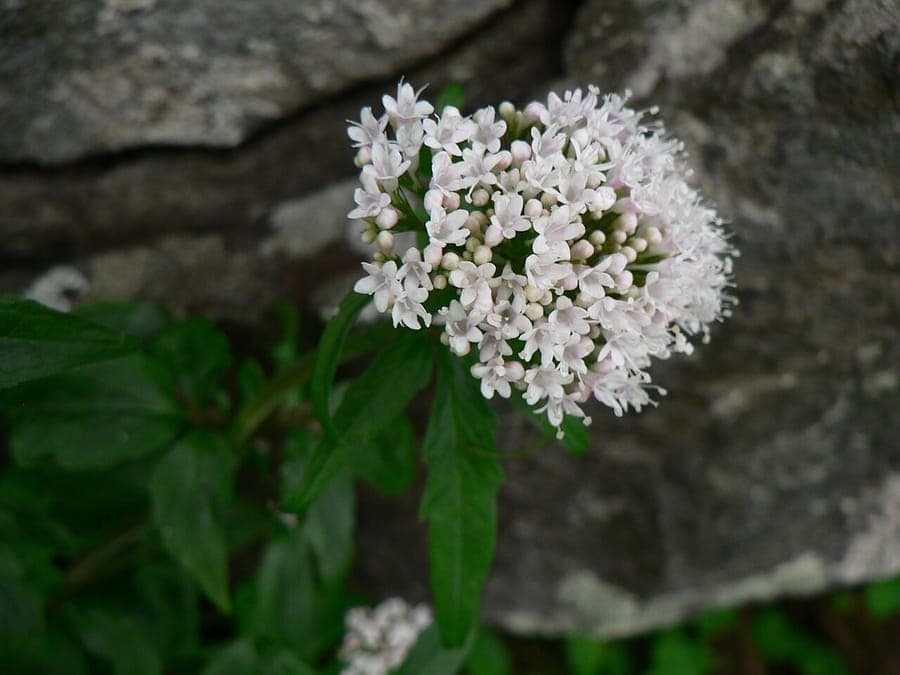
Martin Vavrik / Public domain, via Wikimedia Commons
Three-leaved Valerian: complete guide
Valeriana tripteris
¿Quieres ver Three-leaved Valerian: complete guide en tu jardín?
1 minuto, sin tarjeta de crédito
Overview
Three-leaved valerian (Valeriana tripteris) is a charming alpine perennial native to central and southern Europe, from northern Spain to the Carpathians and southern Italy. This hardy species belongs to the Caprifoliaceae family and is celebrated for its elegant purple flowers that bloom from May to July. It is an ideal choice for rock gardens, alpine borders, and for gardeners wishing to enhance their front yard with authentic mountain flora.
Appearance and Bloom
Three-leaved valerian grows as a compact, clump-forming perennial with characteristic foliage consisting of three leaflets - hence its common name. The plant reaches a height of 40-50 cm and forms elegant clusters of green foliage. The purple to pink flowers appear from May to July in dense flower heads above the foliage. The blooming period is longer than many other alpine plants, making this species particularly valuable for the front garden.
Ideal Location
This mountain plant thrives optimally in a sunny location with at least 6 hours of direct sunlight daily. The plant tolerates partial shade well. Ensure adequate air circulation to prevent moisture problems. In rock gardens and alpine borders, this plant combines beautifully with other European alpine species.
Soil
Three-leaved valerian is not particular about soil composition but performs best in well-draining soil. The plant adapts to both acidic and neutral soils. In heavy soils, it is recommended to mix in gravel or compost for improved drainage. The plant is very tolerant of various soil types.
Diseño gratis
¿Quieres ver Three-leaved Valerian: complete guide en tu jardín? Crea un diseño gratis ahora.
Watering
During the growing season, water regularly, especially in dry periods. The soil should not become waterlogged. In autumn and winter, watering can be reduced significantly. The plant is relatively drought-tolerant once established.
Pruning
Three-leaved valerian requires minimal pruning. After blooming, remove spent flowers for a tidier appearance. In spring, remove dead or damaged branches. The plant appreciates its natural growth habit.
Maintenance Calendar
April-May: Beginning of bloom period, water regularly. May-July: Intensive blooming period. August-September: Seeds mature, reduce watering. October-December: Winter preparation. January-March: Remove dead foliage.
Winter Hardiness
Three-leaved valerian is very hardy and can tolerate temperatures down to -25°C. This makes it an excellent choice for regions with severe winters. In temperate climates, this plant will overwinter without problems.
Companion Plants
Three-leaved valerian combines beautifully with other European alpine plants. Perfect companions include astilbe, saxifraga, alpine rose, and other mountain species. Combined with Himalayan geranium and other low-growing perennials, it creates a balanced planting scheme for the front yard.
Closing Thoughts
Three-leaved valerian is a true gem for alpine plant enthusiasts. With its elegant purple flowers and graceful growth, it brings authentic mountain character to your front garden. Discover more alpine plant combinations at gardenworld.app/en.
¿Quieres ver Three-leaved Valerian: complete guide en tu jardín? Crea un diseño gratis ahora.
Sube una foto, elige un estilo y obtén un diseño fotorrealista con lista de plantas en menos de un minuto.
Más de 10.000 jardines diseñados
Sin tarjeta de crédito


Plantas similares
Yellow honeysuckle (Lonicera tragophylla): complete guide
Lonicera tragophylla
Meet yellow honeysuckle (Lonicera tragophylla): a Chinese climber with large golden flowers that thrives in partial shade.
Lonicera korolkowii: complete guide
Lonicera korolkowii Stapf
Discover blueleaf honeysuckle, a vigorous shrub with beautiful flowers. Guide on growing, shaping and why this Asian climbing plant is perfect for gardens.
Lonicera oblongifolia: complete guide
Lonicera oblongifolia Hook.
Discover swamp fly honeysuckle, a North American woodland plant. Guide on growing, caring and why this native species is valuable for gardens.