
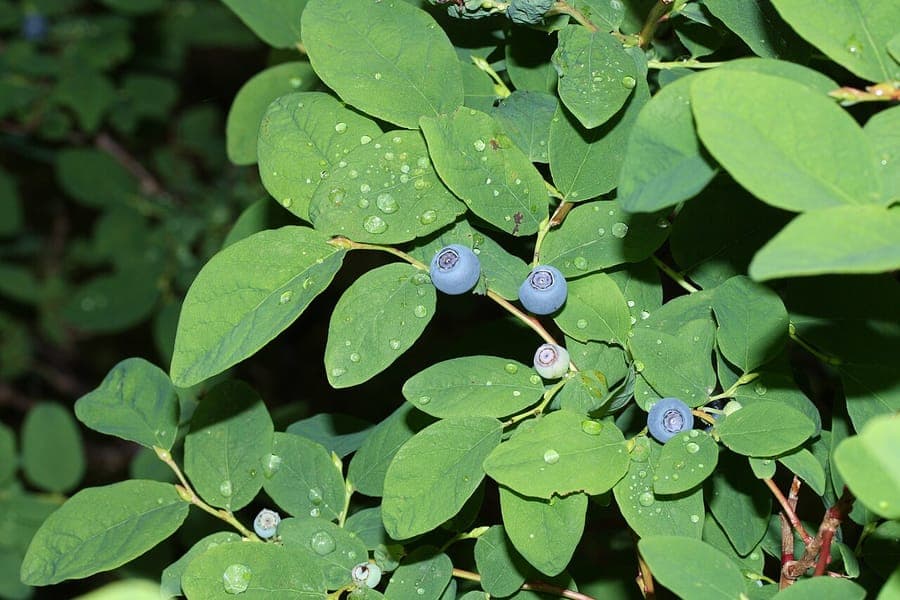
Walter Siegmund (talk) / CC BY-SA 3.0, via Wikimedia Commons
Vaccinium ovalifolium: complete guide
Vaccinium ovalifolium
¿Quieres ver Vaccinium ovalifolium: complete guide en tu jardín?
1 minuto, sin tarjeta de crédito
Overview
Vaccinium ovalifolium, the early blueberry, oval-leaf blueberry, or Alaska blueberry, is a larger shrub of the Ericaceae family with circumpolar distribution. This species ranges naturally from Russian Far East through Japan to Alaska and arctic North America, inhabiting boreal forests and subalpine zones.
With growth reaching 60-120 centimeters tall, Vaccinium ovalifolium represents a more substantial structure than lowbush relatives. The plant is exceptionally cold-hardy, thriving in regions where few ornamentals persist. Characteristic oval leaves, purple flowers, and abundant blue berries make this an ornamentally versatile addition to northern landscapes.
Appearance and Bloom
Vaccinium ovalifolium grows as an upright, multi-stemmed shrub with notably oval (not linear) leaves-a clear distinguishing feature. Summer foliage is medium green, sometimes developing subtle red tones in autumn. The distinctive leaf shape resembles miniature plums.
In May and June, delicate pink to purple flowers appear at branch tips. Fruits ripen in July-August, developing deep blue color, typically 1 centimeter in diameter. These berries are sweet and edible, though less commonly cultivated commercially than other Vaccinium species.
Ideal Location
This species thrives in full sun to partial shade, preferring minimum 4-5 hours direct sunlight daily. More shade-tolerant than many berry plants. Afternoon shade in warm zones prevents foliage scorch.
Ideal for mountain meadows, boreal forests, and open forest understory. Vaccinium ovalifolium tolerates wind exposure and extreme climates where summer conditions are cool and winters severe-exactly mimicking its native habitat.
Soil
Acid soil is essential, tolerating pH 4.5-7.5 but optimizing around pH 5.0-5.5. Incorporate peat moss, horticultural sand, and acid-based compost. In alkaline regions, apply agricultural sulfur.
Provide excellent drainage while maintaining adequate moisture retention. Rocky, mountain-like soils suit this species naturally-it actually prefers leaner conditions to excessively rich cultivation.
Watering
Consistent moisture during growing and fruiting seasons is important. Provide 2 centimeters water weekly via irrigation if rainfall is inadequate. Maintain evenly moist (not waterlogged) conditions.
Apply 3-4 centimeters of acid-based mulch (shredded bark, pine needles) for moisture retention. In mountain habitats, natural precipitation and snowmelt provide sustenance.
Diseño gratis
¿Quieres ver Vaccinium ovalifolium: complete guide en tu jardín? Crea un diseño gratis ahora.
Pruning
Moderate pruning in late winter encourages productivity. Remove a few old canes annually to stimulate rejuvenation. Remove dead, diseased, or crossing branches immediately.
After many years, entire plants can be rejuvenated by cutting to ground level, stimulating vigorous regrowth.
Maintenance Calendar
Spring (March-May): Inspect plants for winter damage. Prune old canes in late winter. Add acid compost. Begin regular watering. Monitor flower bud development.
Summer (June-August): Maintain consistently high soil moisture. Enjoy the purple flower display. Harvest blue berries in August. Scout for fungal diseases in humid conditions.
Autumn (September-November): Gradually reduce watering as growth slows. Observe subtle autumn coloration. Prepare for winter dormancy.
Winter (December-February): Minimal maintenance. Inspect for winter damage. Prune in late winter. Snow cover is beneficial.
Winter Hardiness
Vaccinium ovalifolium is exceptionally cold-hardy, surviving to -30 degrees Celsius. It thrives in USDA zones 2-7. This is a top choice for northern gardens requiring maximum hardiness.
Snow cover provides excellent insulation; however, intense winter sun can create stress in some years. In zones 6-7, afternoon shade in winter helps prevent sun scald.
Companion Plants
Pairs beautifully with other alpine acid-loving species: dwarf rhododendrons, alpine Erica species, and compact conifers create authentic mountain landscapes. Other Vaccinium species add fruit and flower diversity.
In boreal settings, association with native forest understory plants (Labrador tea, dwarf dogwood) creates naturalistic beauty.
Closing Thoughts
Vaccinium ovalifolium delivers exceptional cold hardiness, authentic alpine character, and reliable fruit production. For gardeners in northern regions seeking steadfast shrubs, this species is an excellent choice. Its distinctive oval leaves and unwavering performance make it ornamentally valuable for decades.
Available through specialty alpine nurseries, especially in northern Europe and North America. See gardenworld.app for personalized northern landscape design recommendations.
¿Quieres ver Vaccinium ovalifolium: complete guide en tu jardín? Crea un diseño gratis ahora.
Sube una foto, elige un estilo y obtén un diseño fotorrealista con lista de plantas en menos de un minuto.
Más de 10.000 jardines diseñados
Sin tarjeta de crédito


Plantas similares
Vaccinium angustifolium: complete guide
Vaccinium angustifolium
Early lowbush blueberry: compact North American shrub with white flowers, blue berries, and brilliant fall color. Hardy, delicious fruit production.
Vaccinium macrocarpon: complete guide
Vaccinium macrocarpon
American cranberry: large-fruited bog plant with bright red berries. Cultivation guide for fresh eating, juice, and ornamental interest.
Vaccinium arctostaphylos: complete guide
Vaccinium arctostaphylos
Caucasian whortleberry: rare alpine shrub with purple flowers and black berries. Cold-hardy accent plant from mountain regions of Bulgaria to Iran.