
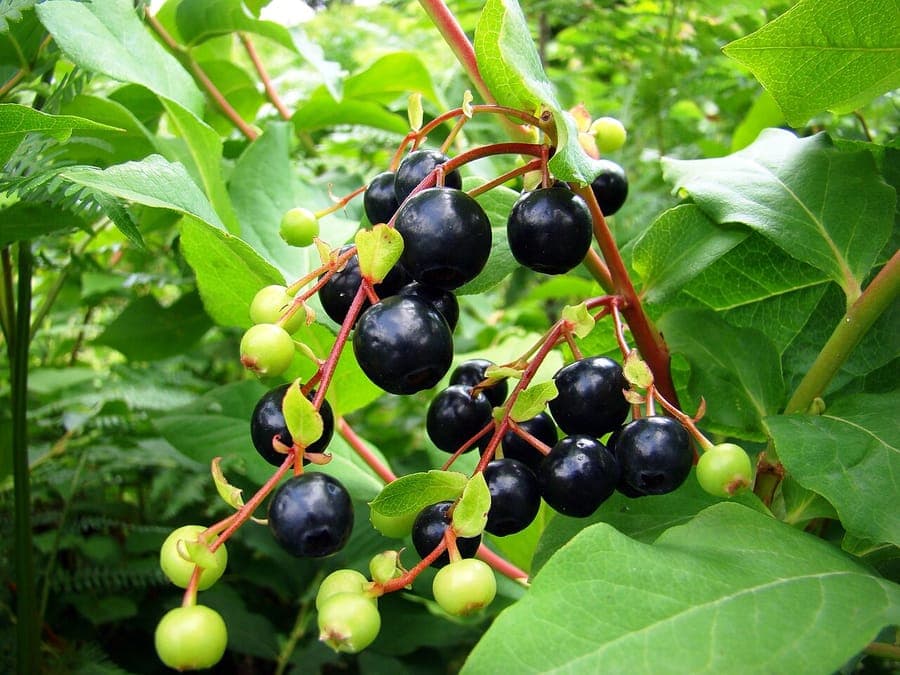
Karduelis / Public domain, via Wikimedia Commons
Vaccinium arctostaphylos: complete guide
Vaccinium arctostaphylos
¿Quieres ver Vaccinium arctostaphylos: complete guide en tu jardín?
1 minuto, sin tarjeta de crédito
Overview
Vaccinium arctostaphylos, the Caucasian whortleberry, is a rarely cultivated alpine shrub of the Ericaceae family. Native to the mountainous regions spanning southeastern Bulgaria through the Caucasus to northern Iran, this species inhabits alpine and subalpine zones at elevations of 1,500 to 3,000 meters.
This distinctive plant remains uncommon in European gardens, making it highly valued by collectors. Growing 60-100 centimeters tall with an upright, shrubby form, it produces exquisite purple flowers followed by glossy black berries that provide extended seasonal interest.
Appearance and Bloom
Vaccinium arctostaphylos develops as a compact, upright shrub with small, dark green leaves arranged alternately. In May and June, charming rosy-purple bell-shaped flowers emerge in short clusters along the stems. These diminutive flowers are exceptionally ornamental, resembling tiny campanulas.
Following pollination, glossy black berries develop, each roughly 1 centimeter in diameter. These fruits are edible though quite tart-traditionally harvested in the Caucasus regions for culinary use. The color transition from green through red to black provides ornamental appeal across months.
Ideal Location
This alpine species thrives in full sun to partial shade, preferring minimum 4-5 hours direct sunlight daily. In warmer zones, afternoon shade prevents foliage scorch and reduces water demands.
Vaccinium arctostaphylos feels at home in rocky, well-drained alpine scenarios. Utilize raised beds, alpine troughs, or containers positioned to simulate mountainous conditions. Excellent for rock gardens, alpine troughs, and specimen container cultivation.
Soil
Like other Vaccinium species, this plant requires acidic soil (pH 4.0-5.5). Alpine environments naturally feature lean soils with excellent drainage-avoid heavy enrichment. Incorporate 50% acid granular material (sulfur-based), 25% sharp horticultural sand, and 25% composted pine bark.
Experience suggests that dense, rocky substrate performs better than rich potting soil. Simulate alpine conditions through excellent drainage and mineral-rich, nutrient-lean composition.
Diseño gratis
¿Quieres ver Vaccinium arctostaphylos: complete guide en tu jardín? Crea un diseño gratis ahora.
Watering
Measured watering is essential, particularly during dry spells. Keep soil moist but never waterlogged. Apply water at soil level to prevent foliar disease.
In alpine habitats, consistent precipitation and snowmelt sustain growth. In cultivation, provide deep watering 2-3 times weekly during growing season. Apply 3-5 centimeters of mineral-based mulch to conserve moisture and simulate alpine soil composition.
Pruning
Minimal pruning required. Remove dead stems in early spring. Respect the natural compact, upright form-avoid aggressive shearing.
Deadheading spent flower clusters after bloom enhances appearance, though this is optional. Never prune back hard, as this disrupts the shrubby form.
Maintenance Calendar
Spring (March-May): Inspect overwintered plants. Add acid compost carefully. Resume regular watering. Monitor flower bud initiation.
Summer (June-August): Maintain consistent moisture during growth phase. Enjoy the purple bloom display. Water during dry spells. Scout for disease.
Autumn (September-November): Reduce watering frequency gradually as growth slows. Observe fruit color development from red to black. Prepare for winter dormancy.
Winter (December-February): Minimal maintenance. Provide frost protection in exposed locations. Snow cover provides natural insulation.
Winter Hardiness
Vaccinium arctostaphylos tolerates temperatures to -20 degrees Celsius in open, windy locations. In gardens lacking reliable snow cover, protection is beneficial. Snow provides excellent insulation; however, intense winter sun on wet soil can cause damage.
In zones 7-8, provide afternoon shade and mulch heavily for winter protection.
Companion Plants
Pairs excellently with other alpine acid-loving species: dwarf rhododendrons, compact Erica species, and ultra-low conifers. Complement with high-altitude herbaceous companions: alpine scabious, mountain campion, and alpine saxifrages.
Grouping multiple Vaccinium species creates fruit and flower color diversity throughout the season.
Closing Thoughts
Vaccinium arctostaphylos represents refined character for discerning gardeners with suitable mountain-like growing conditions. Its purple blooms, black berries, and rare provenance make it worthy of specimen status. This alpine gem deserves greater recognition among collectors and alpine garden enthusiasts.
Available through specialty alpine nurseries. See gardenworld.app for personalized alpine garden design recommendations.
¿Quieres ver Vaccinium arctostaphylos: complete guide en tu jardín? Crea un diseño gratis ahora.
Sube una foto, elige un estilo y obtén un diseño fotorrealista con lista de plantas en menos de un minuto.
Más de 10.000 jardines diseñados
Sin tarjeta de crédito


Plantas similares
Vaccinium microcarpum: complete guide
Vaccinium microcarpum
Small cranberry: a subarctic groundcover with delicate purple flowers and persistent red berries. Ideal for acidic wetland gardens and bog landscaping.
Vaccinium macrocarpon: complete guide
Vaccinium macrocarpon
American cranberry: large-fruited bog plant with bright red berries. Cultivation guide for fresh eating, juice, and ornamental interest.
Vaccinium angustifolium: complete guide
Vaccinium angustifolium
Early lowbush blueberry: compact North American shrub with white flowers, blue berries, and brilliant fall color. Hardy, delicious fruit production.