
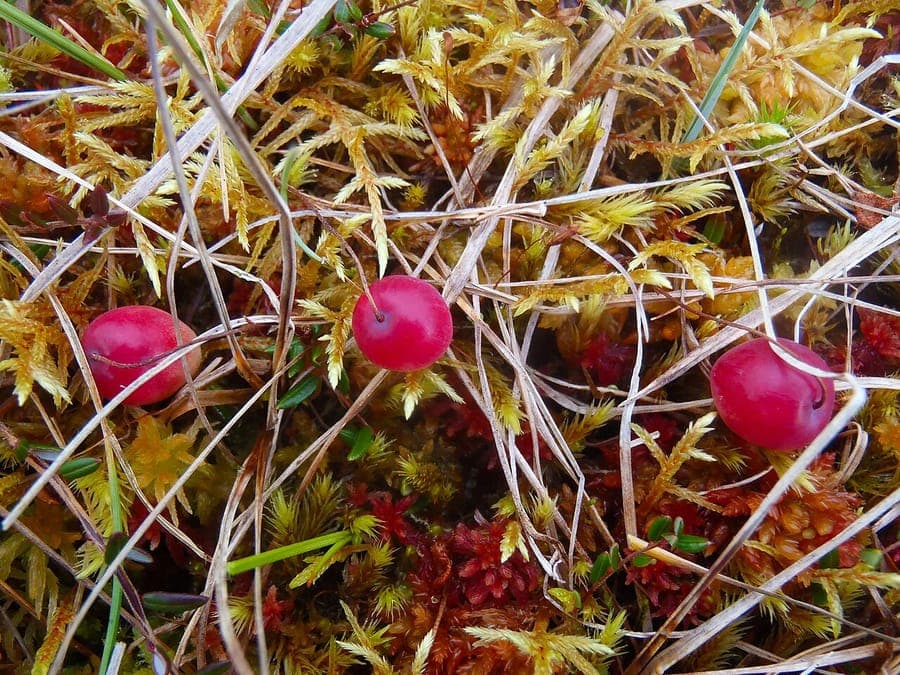
U.S. Department of Agriculture / Public domain, via Wikimedia Commons
Vaccinium microcarpum: complete guide
Vaccinium microcarpum
¿Quieres ver Vaccinium microcarpum: complete guide en tu jardín?
1 minuto, sin tarjeta de crédito
Overview
Vaccinium microcarpum, commonly known as small cranberry or small bog cranberry, is a diminutive creeping subshrub of the Ericaceae family. Native to subarctic regions spanning northern Europe, Siberia, and North America, this species thrives in cool, boggy environments where few other ornamentals flourish. Standing merely 10-12 inches tall at maturity, it forms dense mats of fine-textured foliage with remarkable seasonal interest.
This plant has earned recognition for its hardiness in USDA zones 2-8 and its ability to stabilize wet soils while providing year-round visual appeal. The delicate purple flowers yield abundant small red berries that persist well into winter.
Appearance and Bloom
Vaccinium microcarpum develops linear, needle-like leaves that remain emerald green throughout the year. The growth habit is naturally prostrate, spreading outward to form low carpets that hug the soil. In June and July, tiny purple bell-shaped flowers emerge in short clusters, each barely a quarter-inch long.
The berries that follow are exceptionally small, typically just 0.5 centimeters in diameter, yet abundant enough to create a striking red-speckled appearance through late autumn. This extended fruit display provides crucial winter color in northern gardens.
Ideal Location
Small cranberry performs optimally in full sun to partial shade, requiring minimum 4-5 hours of direct sunlight daily for prolific flowering and fruiting. In warmer regions (zones 7-8), afternoon shade helps prevent summer scorch and reduces water demands.
Position plants in low-lying areas, swales, or bog gardens where moisture naturally accumulates. It tolerates waterlogged conditions throughout the growing season and is indeed preferential of such environments. Excellent for pond margins, rain gardens, and constructed wetlands.
Soil
Success hinges on strongly acidic, organically rich soil with pH 4.0-4.5. This requirement is non-negotiable: neutral or alkaline soils result in chlorosis and decline. Amend planting areas with sphagnum peat moss, pine bark fines, and shredded oak leaves to achieve proper acidity and structure.
Ensure excellent drainage while maintaining moisture retention. Mix 40% peat moss, 30% native soil, 20% coarse sand, and 10% perlite for optimal results. Add sulfur (2 pounds per 100 square feet) if native soil pH exceeds 5.5.
Diseño gratis
¿Quieres ver Vaccinium microcarpum: complete guide en tu jardín? Crea un diseño gratis ahora.
Watering
Consistent moisture is essential. Keep soil evenly moist-never waterlogged or drought-stressed. During the growing season (April through October), water deeply twice weekly during dry spells. Use unchlorinated water where possible.
Winter moisture requirements are reduced, but the plant should not experience prolonged drought, especially in evergreen foliage. Mulch with 2-3 inches of shredded sphagnum to maintain consistent soil moisture.
Pruning
Minimal pruning needed. Remove dead or damaged stems in early spring. Lightly rake established patches in March to remove winter debris and encourage dense new growth.
Dead-head spent flowers only if aesthetic concerns warrant it (not required for plant health). Do not shear or cut back hard, as this disrupts the natural creeping form.
Maintenance Calendar
Spring (March-May): Water as growth resumes. Check for winter damage. Rake lightly to remove dead matter. Apply 1 inch of compost.
Summer (June-August): Monitor soil moisture during dry periods. Enjoy the bloom display in June-July. Watch for mite infestations in hot weather.
Autumn (September-November): Reduce watering frequency as growth slows. Enjoy the persistent red berries. Clean up fallen debris from nearby trees.
Winter (December-February): Minimal maintenance. Protect from heavy snow load if needed. Monitor drainage in frozen soil.
Winter Hardiness
Vaccinium microcarpum exhibits exceptional cold tolerance, surviving temperatures to -40 degrees Celsius. It thrives in harsh climates where heat-loving plants fail. The plant benefits from snow cover, which provides insulation and protects foliage from desiccating winds.
No winter protection required in zones 2-7. In zone 8, provide afternoon shade and additional summer irrigation.
Companion Plants
Grows exceptionally well alongside other acid-loving bog specialists: sundews (Drosera), wild cranberry (Vaccinium oxycoccos), Labrador tea (Ledum), and sphagnum mosses. Taller companions might include Siberian iris, sundew species, and dwarf conifers.
Partner with sedges (Carex) and low-growing heaths (Erica) to create textured bogscapes. Avoid planting near trees that will shade the mature plant or acidify soil excessively.
Closing Thoughts
Vaccinium microcarpum offers refined beauty for discerning gardeners willing to provide acidic, moist conditions. Its subarctic origins, delicate proportions, and reliable cold hardiness make it an exceptional choice for northern bog gardens, container cultivation, and specialty landscape projects.
Available at specialty nurseries and through gardenworld.app. See gardenworld.app for more plant recommendations and landscape design services.
¿Quieres ver Vaccinium microcarpum: complete guide en tu jardín? Crea un diseño gratis ahora.
Sube una foto, elige un estilo y obtén un diseño fotorrealista con lista de plantas en menos de un minuto.
Más de 10.000 jardines diseñados
Sin tarjeta de crédito


Plantas similares
Vaccinium macrocarpon: complete guide
Vaccinium macrocarpon
American cranberry: large-fruited bog plant with bright red berries. Cultivation guide for fresh eating, juice, and ornamental interest.
Vaccinium angustifolium: complete guide
Vaccinium angustifolium
Early lowbush blueberry: compact North American shrub with white flowers, blue berries, and brilliant fall color. Hardy, delicious fruit production.
Vaccinium ovalifolium: complete guide
Vaccinium ovalifolium
Early blueberry: circumboreal mountain shrub with distinctive oval leaves and blue berries. Excellent for northern gardens, hardy to -30 degrees Celsius.