
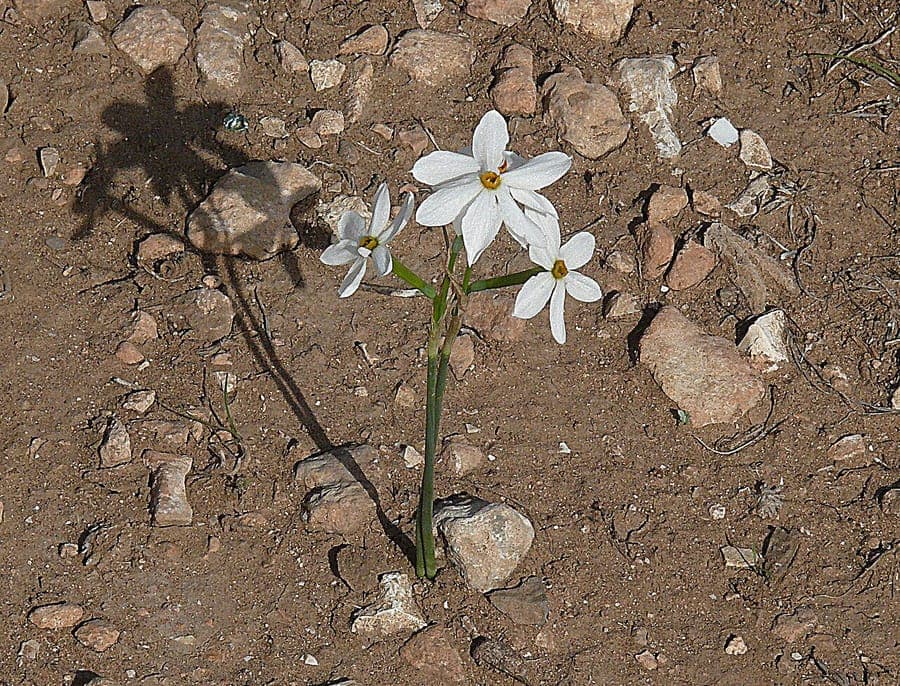
Ziegler175 / CC BY-SA 4.0, via Wikimedia Commons
Narcissus obsoletus: complete guide
Narcissus obsoletus
¿Quieres ver Narcissus obsoletus: complete guide en tu jardín?
1 minuto, sin tarjeta de crédito
Overview
Narcissus obsoletus, commonly called lesser narcissus, is a charming small bulb from the Amaryllidaceae family. This species occurs across a wide area from southern to central Spain, the Balearic Islands, Sicily, southern and western Italy, and North Africa (Morocco, Algeria, Tunisia, Libya). The plant blooms in autumn and early winter, providing unique seasonal interest. With delicate yellow flowers, it appeals to discerning gardeners and bulb enthusiasts.
Appearance and Bloom
Narcissus obsoletus produces slender, dark-green leaves reaching about 20 centimeters long. The plant grows 10 to 20 centimeters tall. Flowers are small to medium-sized, yellow with a distinct central corona. Each bulb typically produces a single flower, though stronger specimens may produce two. Bloom time ranges from October to November in native habitats, but cultivation shifts bloom earlier (September to November).
Ideal Location
Narcissus obsoletus grows best in full sun to light partial shade. Position where it receives at least six hours direct sunlight daily. In very hot climates, afternoon shade is beneficial. Ensure well-ventilated sites to prevent disease. Protect from strong winds and harsh winter weather.
Soil Requirements
Use well-draining soil for optimal growth. A mix of garden soil, sand, and gravel works well. The plant accepts pH values 6.5 to 8.0. In calcareous soils, narcissus obsoletus thrives due to its natural habitat in limestone regions. Plant bulbs approximately two centimeters deep in August to September for autumn blooming. Ensure moist soil during growth but very dry during dormancy.
Diseño gratis
¿Quieres ver Narcissus obsoletus: complete guide en tu jardín? Crea un diseño gratis ahora.
Watering
Water carefully after planting and during growth and bloom. As leaves yellow, reduce watering. After blooming, drastically cut water; bulbs go dormant with minimal moisture. In containers, monitor soil moisture carefully. Rainwater works perfectly; avoid permanently wet conditions.
Pruning
No pruning needed. Allow flowers to fade and wilt naturally. Remove only dead or damaged flower stems. Once blooming completes, let foliage decline naturally for the bulb's energy storage phase.
Maintenance Calendar
Summer: Store bulbs dry; prepare for planting. Autumn: Plant in August to September; begin watering. Winter: Blooming; water regularly. Spring: Bloom finished; foliage declines.
Winter Hardiness
Narcissus obsoletus is hardy to about minus 12 degrees Celsius. In temperate zones, overwinter outdoors if drainage is excellent. Protect from extreme wet winters through moisture management. In very warm zones (11b+) it thrives outdoors year-round.
Companion Plants
Combine Narcissus obsoletus with other autumn bloomers like Colchicum, Sternbergia, and Amaryllis. Plant with rock plants in rock gardens for elegant effect. In containers, pair with autumn grasses for interesting structural contrast.
Closing Thoughts
Narcissus obsoletus brings unique autumn blooming and Mediterranean elegance to your garden. This small jewel from the Mediterranean is ideal for discerning gardeners and bulb collectors seeking something special and seasonally interesting.
¿Quieres ver Narcissus obsoletus: complete guide en tu jardín? Crea un diseño gratis ahora.
Sube una foto, elige un estilo y obtén un diseño fotorrealista con lista de plantas en menos de un minuto.
Más de 10.000 jardines diseñados
Sin tarjeta de crédito


Plantas similares
Douglas' Onion: complete guide
Allium douglasii
Douglas' onion is a compact ornamental allium with purple flowers, perfect for rock gardens and sunny borders. Learn care, siting and hardiness.
Oblique onion: complete guide
Allium obliquum
The oblique onion is a hardy ornamental allium with chartreuse flower heads and blue-green foliage. Location, soil and care explained.
False hooded garlic: complete guide
Allium pseudocalyptratum
Discover false hooded garlic (Allium pseudocalyptratum): a rare ornamental onion from Lebanon for rock gardens and alpine troughs.