
Averater / CC BY 4.0, via Wikimedia Commons
Narcissus obesus: complete guide
Narcissus obesus
¿Quieres ver Narcissus obesus: complete guide en tu jardín?
1 minuto, sin tarjeta de crédito
Overview
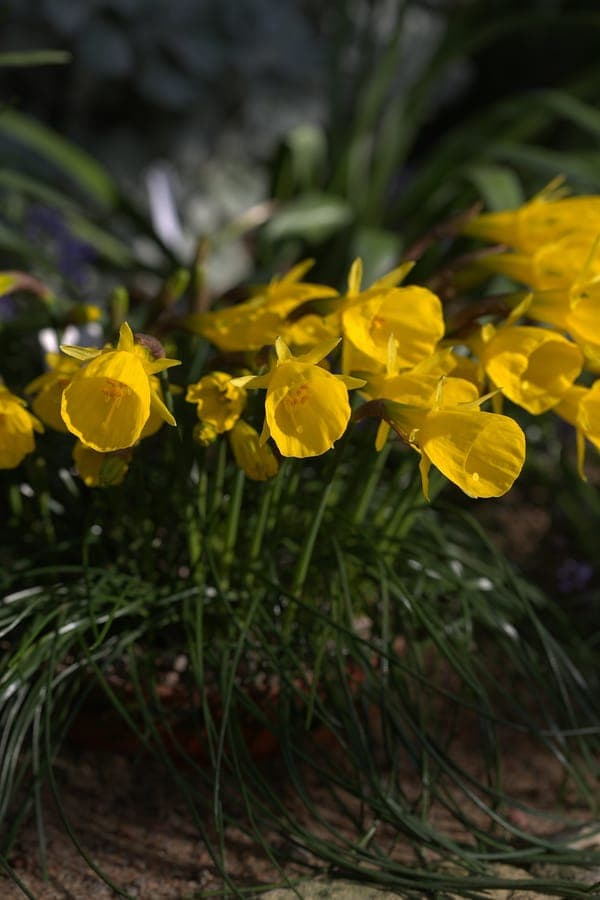
Narcissus obesus, better known as petticoat daffodil or hoop petticoat daffy, is a rare and striking dwarf bulb from Spain and Portugal. This narcissus is renowned for its unique, inflated flower morphology - the cup or crown is remarkably large and wide compared to the petals. This gives the flower a very characteristic, amusing appearance. Perfect for lovers of unusual bulbs.
Appearance and Bloom
Narcissus obesus reaches a height of only 15-20 cm and forms a perfect miniature narcissus. The flowers are strikingly yellow and quite different in form from standard daffodils. The cup is very wide and fully developed, with an almost petticoat-like appearance - hence the name. Each bulb typically produces only a single flower, but that flower is certainly interesting. Blooming occurs in March-April, making this bulb one of the earliest spring bloomers. At gardenworld.app, you can integrate this special flower into your garden schedules.
Ideal Location
This narcissus thrives best in a sunny to partially shaded spot. In the south, you can use partial shade; in northern regions, full sun is better. Ensure a protected location away from strong wind. In borders, rock gardens, or containers, this small narcissus is very suitable.
Soil
The plant is undemanding regarding soil, as long as it drains well. Good drainage is critical - wet soil leads to bulb rot. In clay soils, you should add sand or gravel. A neutral to slightly acidic pH is ideal (6.5-7.5). In containers, cactus or bulb potting soil is preferred.
Diseño gratis
¿Quieres ver Narcissus obesus: complete guide en tu jardín? Crea un diseño gratis ahora.
Watering
These are drought-tolerant bulbs. With natural rainfall, you don't need to water additionally. In dry springs, you can water moderately, but ensure it doesn't stagnate. During growth (March-May), you can feed moderately with potassium-rich fertilizer.
Pruning
Pruning is not necessary. Leave the leaves alone after flowering - they replenish the bulb for next season. Only remove leaves when they have turned yellow.
Maintenance Calendar
- August-October: Plant bulbs (8-10 cm deep)
- March-April: Blooming and enjoyment
- May-June: Foliage yellowing
- July: Bulbs dormant
Winter Hardiness
Narcissus obesus is fully winter-hardy in zones 5-9 (USDA). In most European gardens, you can leave this bulb outside to overwinter without issue. The bulbs even require a cold period (vernalization) for blooming.
Companion Plants
Combine in early spring with:
- Snowdrops (Galanthus)
- Crocuses in blue or purple
- Other dwarf bulbs like Muscari
- Helleborus (winter rose)
- Ferns as background
Final Thoughts
Narcissus obesus is an extremely special addition to any garden collection. This dwarf bulb blooms early, requires minimal maintenance, and is very winter-hardy. The striking flower morphology makes this narcissus a conversation piece in your front garden. Use gardenworld.app to incorporate this rare jewel into your garden plan. Available from specialized growers and online bulb suppliers.
¿Quieres ver Narcissus obesus: complete guide en tu jardín? Crea un diseño gratis ahora.
Sube una foto, elige un estilo y obtén un diseño fotorrealista con lista de plantas en menos de un minuto.
Más de 10.000 jardines diseñados
Sin tarjeta de crédito


Plantas similares
Douglas' Onion: complete guide
Allium douglasii
Douglas' onion is a compact ornamental allium with purple flowers, perfect for rock gardens and sunny borders. Learn care, siting and hardiness.
Oblique onion: complete guide
Allium obliquum
The oblique onion is a hardy ornamental allium with chartreuse flower heads and blue-green foliage. Location, soil and care explained.
False hooded garlic: complete guide
Allium pseudocalyptratum
Discover false hooded garlic (Allium pseudocalyptratum): a rare ornamental onion from Lebanon for rock gardens and alpine troughs.