
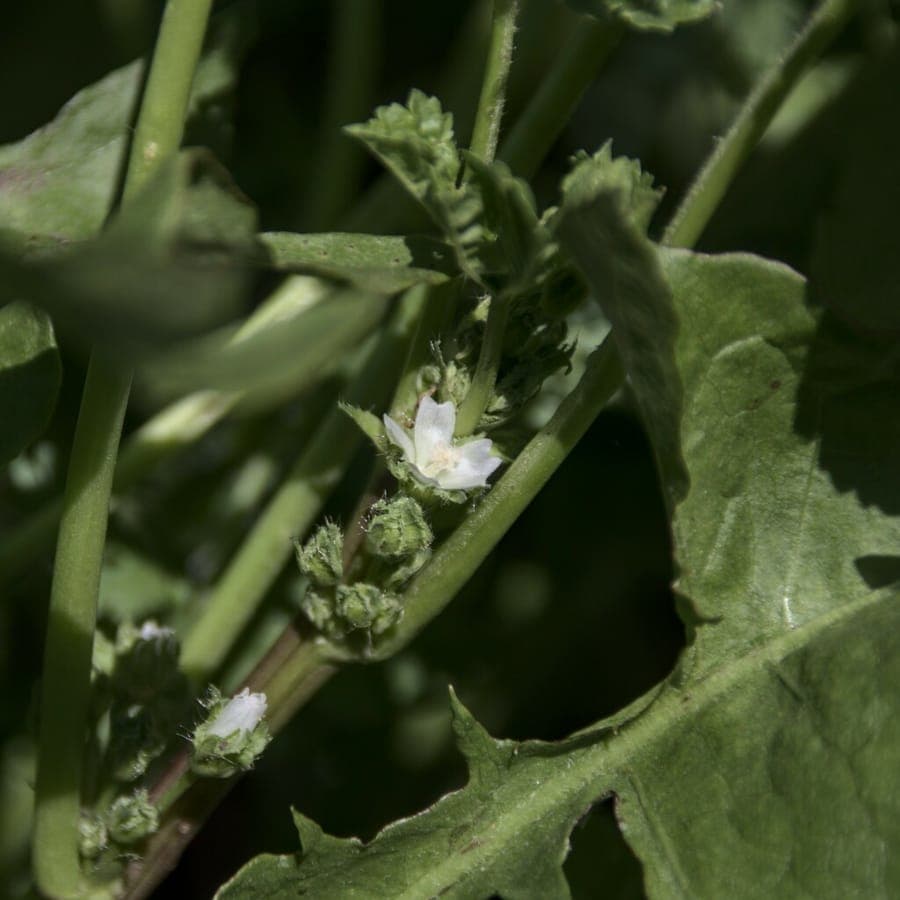
Иван Шихалев https://www.inaturalist.org/people/shikhalev / CC BY 4.0, via Wikimedia Commons
Malva pusilla: complete guide
Malva pusilla
¿Quieres ver Malva pusilla: complete guide en tu jardín?
1 minuto, sin tarjeta de crédito
Overview
Malva pusilla, known as Dwarf mallow or Small mallow, is a modest yet graceful annual to perennial plant from the Malvaceae family. This species, unlike many other mallows, is particularly well-suited to temperate climates and is found in temperate Eurasia, from the Azores to Chad to temperate Eurasia. The botanical name 'pusilla' literally means 'very small,' referring to the more modest proportions compared to species like Malva sylvestris. Malva pusilla is extremely suitable for Dutch gardens thanks to its adaptability to temperate growth, compact form and modest maintenance requirements. At garden centers such as local nurseries, you'll find seeds and plants that thrive perfectly in Dutch climate and form ideal candidates for border planting and informal garden arrangements on gardenworld.app.
Appearance and Bloom
Malva pusilla reaches modest dimensions of only 30 to 60 centimeters height, smaller than most related species. The growth habit is more compact and upright. The stems are firm but not heavily laden and slightly hairy. The foliage is characteristically round to weakly heart-shaped, 2 to 5 centimeters large, with moderately serrated edges. The foliage is somewhat lighter green than other mallow species, giving the plant a fresher appearance. The flowers are much more subtle than other mallows: small to medium-sized (approximately 2 to 2.5 centimeters diameter) in pale lilac to bright purple, sometimes with soft pink tints. The flowers form in clusters on the axis and appear for 8 to 11 weeks from May to August. The seed capsules are small, surrounded by characteristic 'fingers' or wing-like extensions.
Ideal Location
Malva pusilla grows excellently in partial shade to full sun. Unlike other mallow species, this dwarf variant actually prefers somewhat more shade: 4 to 6 hours of sunlight daily suffices. This makes it ideal for European gardens where full sun isn't always guaranteed. Plant in locations with good moisture-retaining soil but without waterlogging. The plant is perfect for border edges, pathway borders, and the base of raised beds. In gardenworld.app garden designs, Malva pusilla fits excellently in transition zones where sunnier plants gradually give way to shadier conditions.
Soil and Feeding
Malva pusilla prefers moderately moist, well-draining soil with pH 6.0 to 7.5. This plant tolerates slightly acidic to neutral soils better than its relatives. Heavy clay soils should be improved with compost, garden peat or leaf mold (3 to 5 centimeters). Poor soils are fine: this plant requires no excessive feeding. At planting, incorporate 2 to 3 centimeters of organic matter. For container culture: mix 60 percent potting soil and 40 percent garden peat or peat-like compost. Once yearly very light feeding in spring (half normal dose). This plant is more tolerant of less-than-optimal soil conditions than other mallows.
Watering
Malva pusilla requires more regular watering than the more drought-resistant mallow species. Water regularly so the soil remains evenly moist (but not wet), especially during growth and bloom season (May to September). In typical Dutch summers, natural rainfall usually suffices, supplemented with watering during periods of more than two weeks without rain. Weekly 1 to 2 centimeters water in dry periods. For containers: water when the top 2 centimeters feel dry. Good drainage remains important: waterlogging causes root rot. In autumn and winter, gradually reduce water, maintaining only moisture if soil is dry.
Diseño gratis
¿Quieres ver Malva pusilla: complete guide en tu jardín? Crea un diseño gratis ahora.
Pruning
Malva pusilla responds positively to regular deadheading. From June to August: remove spent flowers regularly, this stimulates further branching and extended bloom. Cut just below spent flower clusters. This simple maintenance can extend the blooming period by several weeks. In late September, light shaping: remove excessively long branches or unhealthy parts. This plant tolerates careful autumn pruning better than larger mallows. For potted plants: regular pinching of young shoots (when 4 to 5 leaf pairs are present) promotes more compact appearance.
Maintenance Calendar
May-June: Plant, establish regular watering routine, support with stakes if needed. July-August: Bloom peaks; remove spent flowers, water regularly. September-October: Less intensive bloom, reduce watering, cease feeding. October-November: Plant may largely die back; seed capsules may remain for self-seeding. December-February: Winter dormancy; minimal watering. March-April: Modest growth resumes, add light organic material. This plant is relatively trouble-free.
Winter Hardiness
Malva pusilla is classified as USDA zones 5 to 9, considerable hardiness for the temperate Eurasian population. This means that even in harsh Dutch winters (below -5 degrees Celsius) many plants can survive, especially in southern regions. In Amsterdam and surroundings, established plants overwinter under light mulch protection. In northern regions (Groningen, northern Netherlands) some frost damage possible; young plants can overwinter in unheated cold frames. Seeds can persist in soil for generations (5 to 10 years) and germinate when conditions are favorable. For extra security: collect seeds and store cool (10-12 degrees) in dry conditions.
Companion Plants
Malva pusilla combines nicely with other temperate-climate plant species. Geranium (cranesbill) species with purple-blue flowers form classic pairings with the same moisture preference. Aquilegia (columbine) in purple tints alongside Malva pusilla creates beautiful repetition of color palettes. Dianthus (carnation) in white and pink tints contrast nicely. For structure: Heuchera (coral bells) with colored foliage adds texture. Liatris (blazing star) in purple forms vertical accents. For moister borders: Hostas in various cultivars add foliage variation. Pulmonaria (lungwort) in purple-white creates morning flower patches. Such plant compositions form very natural groupings for gardenworld.app designs in temperate Dutch gardens.
Conclusion
Malva pusilla is a remarkable, modest mallow that's perfectly suited to Dutch temperate climate gardens. With relatively low requirements for direct sunlight, regular watering and moderate winter hardiness, this plant offers many benefits for gardeners seeking more compact, elegant flowers. Particularly suitable for gardenworld.app users who desire shade-tolerant mallow varieties for North and Central Dutch garden designs.
¿Quieres ver Malva pusilla: complete guide en tu jardín? Crea un diseño gratis ahora.
Sube una foto, elige un estilo y obtén un diseño fotorrealista con lista de plantas en menos de un minuto.
Más de 10.000 jardines diseñados
Sin tarjeta de crédito


Plantas similares
Malva sylvestris: complete guide
Malva sylvestris
Malva sylvestris: Common mallow with magenta blooms and dark purple veins. Versatile, hardy, easy-growing. European classic.
Malva nicaeensis: complete guide
Malva nicaeensis
Malva nicaeensis: Mediterranean mallow with lilac blooms and decorative foliage. Ideal for dry gardens. Grows 60-100cm tall. Flowers for months.
Egyptian mallow: complete guide
Malva parviflora
Explore Malva parviflora, the Egyptian mallow with delicate pink flowers. Drought-tolerant Mediterranean charmer.