
Unknown authorUnknown author / Public domain, via Wikimedia Commons
Malva nicaeensis: complete guide
Malva nicaeensis
¿Quieres ver Malva nicaeensis: complete guide en tu jardín?
1 minuto, sin tarjeta de crédito
Overview
Malva nicaeensis, commonly known as the Mallow of Nice or Mediterranean mallow, is a stunning annual to perennial plant belonging to the Malvaceae family. This elegant specimen originates from the Mediterranean region, with distribution extending from the Azores to Pakistan. The botanical name references Nice in southern France, where the species was originally documented. This mallow is celebrated for its impressive floral production and excellent drought tolerance, making it an ideal choice for modern garden designs featured on gardenworld.app.
Appearance and Bloom
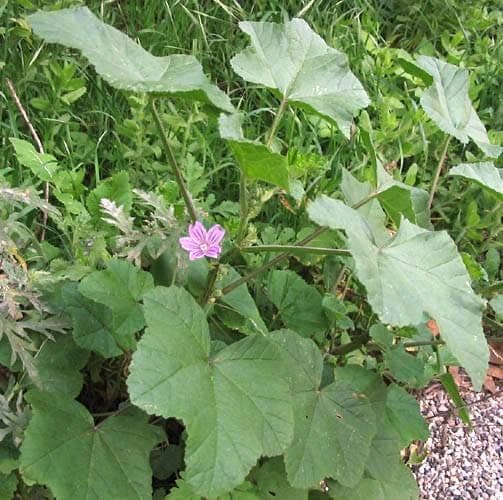
This plant reaches heights of 60 to 100 centimeters with a crown spread of approximately 40 to 60 centimeters. The stems are hairy and branching, creating an agreeable shrubby appearance. The foliage consists of round to heart-shaped leaves with serrated edges and soft hairs covering the surface, measuring roughly 3 to 8 centimeters in diameter. The flowers are the true stars: soft lilac to pink blooms with characteristic dark red veins radiating from the center. Each flower reaches 3 to 4 centimeters in diameter, appearing in clusters along the stems. The flowering period extends from May through October, lasting approximately 12 weeks. Following bloom, attractive seed capsules form with distinctive radial segmentation.
Ideal Location
Malva nicaeensis flourishes in locations receiving full sun exposure, minimum 6 to 8 hours of direct daily sunlight. While tolerating light shade, this results in fewer flowers and more leggy growth. The plant excels in sunny front gardens, beds against south-facing walls, and raised planting areas. In warmer regions, afternoon shade is acceptable. Space plants at least 60 centimeters apart to ensure adequate air circulation. In garden plans on gardenworld.app, Malva nicaeensis fits beautifully into Mediterranean plantings and drought-resistant borders.
Soil and Feeding
This plant thrives in well-draining, moderately fertile soil with a pH range of 6.0 to 7.5. Heavy clay soils require amendment with 30 to 40 percent coarse sand, perlite, or garden compost to prevent waterlogging. Malva nicaeensis tolerates poor to moderate soils and requires minimal feeding; excessive nutrients promote foliage at the expense of flowers. Work in a thin layer of leaf mold or compost at planting (5 to 10 centimeters). For container cultivation: use a mix of 60 percent potting soil and 40 percent perlite. Annual spring application of slow-release fertilizer suffices. Avoid nitrogen feeding after June, as this reduces winter hardiness.
Watering
Although Malva nicaeensis is drought-resistant, it performs best with regular but not waterlogged conditions during the first growing year. Water deeply but allow the soil to dry to 5 centimeters depth between waterings. Once established (after 12 to 14 months), this plant requires supplemental water only during prolonged dry spells. Provide 2 to 4 centimeters of water weekly during flowering in arid periods, particularly in sandy soils. During extremely dry summers, mulch with 5 centimeters of compost or wood chips around the plant, maintaining 10 centimeters distance from the stem base. Good drainage is crucial; waterlogging causes root rot. In containers: water when the top 3 centimeters feel dry. Winter requires minimal water, just enough to keep roots slightly moist.
Diseño gratis
¿Quieres ver Malva nicaeensis: complete guide en tu jardín? Crea un diseño gratis ahora.
Pruning
Malva nicaeensis responds well to moderate pruning. During the growing season (May through September), deadheading by regularly removing spent blooms significantly extends the flowering period. Use sterile pruners, cutting just below the spent flower. This stimulates branching and increased flowering. In late autumn (October), light shaping is acceptable: remove excessively long or diseased branches. Avoid drastic autumn pruning as it weakens winter hardiness. In spring (March to April), cutting back to approximately 50 centimeters height promotes compact growth. For potted specimens: regular pinching of young shoots (when 4 to 6 leaf pairs are present) encourages bushy form.
Maintenance Calendar
May-June: Plant, water regularly in dry weeks, support heavy growth with stakes if needed. July-August: Peak blooming period; remove spent flowers, water well during drought. September-October: Winter preparation, cease feeding, gradually reduce watering. November-December: Much plant material dies back; preserve seed capsules for self-seeding. January-February: Winter dormancy; minimal maintenance, water only if extremely dry. March-April: Careful pruning, add organic matter, begin growth season. The plant often self-seeds from retained capsules.
Winter Hardiness
Malva nicaeensis is classified as USDA zones 8 to 10. This means the plant tolerates mild winters but perishes in severe freezes (below -5 degrees Celsius). In the Netherlands, hardiness varies by region: in Amsterdam and southern areas, established plants often overwinter, especially under mulch. In northern regions (Groningen, Friesland), treating the plant as annual or overwintering young potted plants in a cool greenhouse (3 to 8 degrees) works best. In zones with severe winters, resow annually. In milder climates, mulch around the plant base with 10 centimeters of organic material. Fleece covering helps when temperatures drop below -3 degrees Celsius.
Companion Plants
Malva nicaeensis combines beautifully with other Mediterranean species. Plant alongside Gaura lindheimeri, which shares similar bloom timing and water requirements. Lavender (Lavandula angustifolia) forms a classic pairing with contrasting blue flowers. Rock roses (Cistus) and rosemary (Rosmarinus officinalis) create harmonious groupings with similar cultural needs. For front gardens: combine with low groundcovers like Sedum, Thyme (Thymus) and Santolina. The red-veined blooms harmonize wonderfully near white or yellow flowers: try white Gaura or yellow Achillea. In slightly moister gardens, incorporate Alchemilla mollis and Astilbe for texture. Such plant combinations create naturalistic drifts perfectly suited for planning tools on gardenworld.app.
Conclusion
Malva nicaeensis is a remarkable addition to Mediterranean and drought gardens, thanks to its exuberant flowering, minimal maintenance requirements, and elegant appearance. With proper site selection, moderate watering, and winter protection where needed, you will enjoy many years of this enchanting mallow. Particularly suitable for gardenworld.app users seeking drought-resistant plants for modern garden designs in warmer Dutch regions.
¿Quieres ver Malva nicaeensis: complete guide en tu jardín? Crea un diseño gratis ahora.
Sube una foto, elige un estilo y obtén un diseño fotorrealista con lista de plantas en menos de un minuto.
Más de 10.000 jardines diseñados
Sin tarjeta de crédito


Plantas similares
Malva sylvestris: complete guide
Malva sylvestris
Malva sylvestris: Common mallow with magenta blooms and dark purple veins. Versatile, hardy, easy-growing. European classic.
Egyptian mallow: complete guide
Malva parviflora
Explore Malva parviflora, the Egyptian mallow with delicate pink flowers. Drought-tolerant Mediterranean charmer.
Malva pusilla: complete guide
Malva pusilla
Malva pusilla: Dwarf mallow, compact form, purple flowers. Temperate Eurasia, slightly acid to neutral. Ideal for pergolas, borders.