
Wikimedia Commons / CC BY 2.5, via Wikimedia Commons
Western juniper (Juniperus occidentalis): complete guide
Juniperus occidentalis
¿Quieres ver Western juniper (Juniperus occidentalis): complete guide en tu jardín?
1 minuto, sin tarjeta de crédito
Overview
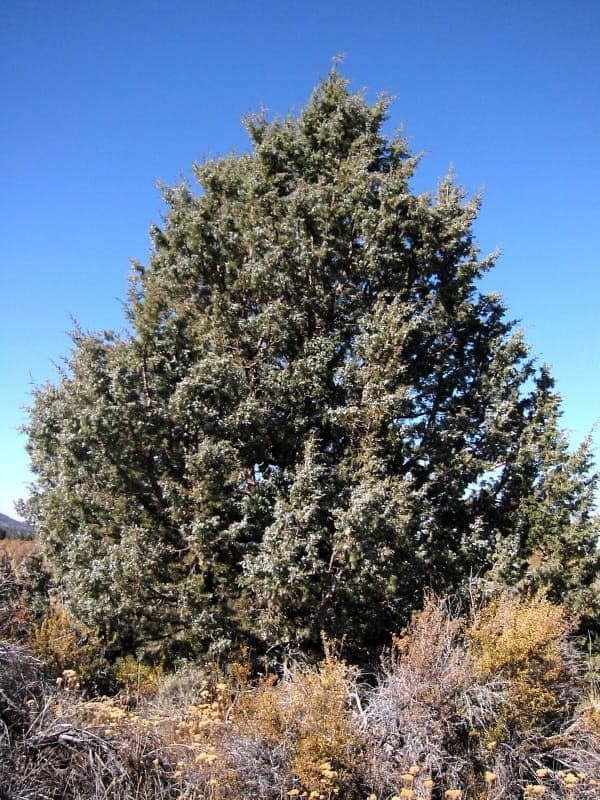
The Western juniper (Juniperus occidentalis), also known as Sierra juniper or western red cedar, is an impressive conifer native to the western United States. This species inhabits the Sierra Nevada and Cascade mountain ranges from California to Washington. It forms an essential component of mountain forest ecosystems and is a sought-after ornamental plant due to its slow growth and strong character.
Appearance and Bloom
The Western juniper typically grows as an upright, columnar to pyramidal tree reaching 15-20 meters tall. The bark is striking, with reddish-brown coloration that fades to gray-brown with age. The very fine, green needles provide a compact appearance and pleasant aroma. The plant produces bluish, fragrant fruits that attract wildlife.
Ideal Location
Position the Western juniper in full sun with at least 6 hours of direct sunlight daily. This mountain plant also grows well in partial shade. Better growth and form occur with good air circulation and fresh mountain air conditions. Avoid low-lying, overly moist areas.
Soil
This juniper thrives in well-draining, sandy to rocky soil. Calcareous to neutral pH (6.0-8.0) is acceptable. The plant tolerates dry mountain soils with minimal nutrients. Amend with organic material to improve moisture retention while avoiding waterlogging that damages roots.
Watering
Once established, this species is drought-tolerant, though young trees require regular watering. Water throughout the first growing season until deep root systems develop. In dry conditions, supplemental watering benefits the plant. Avoid standing water around the base.
Diseño gratis
¿Quieres ver Western juniper (Juniperus occidentalis): complete guide en tu jardín? Crea un diseño gratis ahora.
Pruning
Minimal pruning is required for healthy growth. Remove dead, damaged, or diseased branches. The plant grows slowly and naturally maintains its pyramidal form without intervention. Light pruning in March-April for shape is acceptable, but aggressive cutting is unnecessary.
Maintenance Calendar
March-April: Growing season begins, light pruning possible. May-June: Active growth with routine maintenance. July-August: Peak growth, minimal watering except in drought. September-October: Fruit set visible, winter preparation. November-February: Dormancy with minimal care needed.
Winter Hardiness
The Western juniper is extremely hardy for USDA zones 4-8, tolerating temperatures to -25°C. In temperate climates, special protection is unnecessary. The plant performs better in harsh conditions due to its mountain origin.
Companion Plants
The Western juniper pairs excellently with other mountain conifers such as spruce and pine. This plant supports ecological garden designs by providing food and shelter for birds. It is widely used in landscape gardens for its elegant silhouette and architectural qualities.
Closing
Gardenworld.app recommends this imposing species for gardens where scale and permanent structure are desired. This is a low-maintenance plant that thrives in temperate climates thanks to its mountain heritage. Visit gardenworld.app for advice on integrating this tree into landscape designs that combine elegance with sustainability.
¿Quieres ver Western juniper (Juniperus occidentalis): complete guide en tu jardín? Crea un diseño gratis ahora.
Sube una foto, elige un estilo y obtén un diseño fotorrealista con lista de plantas en menos de un minuto.
Más de 10.000 jardines diseñados
Sin tarjeta de crédito


Plantas similares
Cherry-stone juniper (Juniperus monosperma): complete guide
Juniperus monosperma
Everything you need to know about the Cherry-stone juniper from North America. Cultivation and care guide for this drought-tolerant conifer for your garden.
Temple juniper (Juniperus rigida): complete guide
Juniperus rigida
Discover the Temple juniper from Asia. Comprehensive guide for cultivation and care of this unique needle-bearing conifer with elegant form.
Black juniper (Juniperus indica): complete guide
Juniperus indica
Discover the Black juniper from the Himalayas. A comprehensive guide on cultivation, care, and hardiness of this elegant coniferous plant for your garden.