
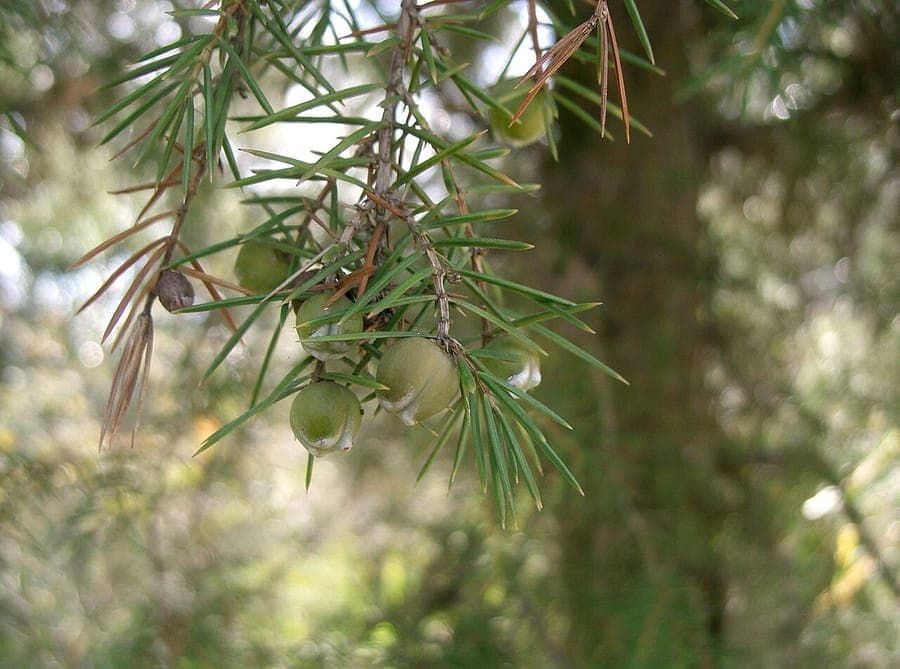
KENPEI / CC BY-SA 3.0, via Wikimedia Commons
Temple juniper (Juniperus rigida): complete guide
Juniperus rigida
¿Quieres ver Temple juniper (Juniperus rigida): complete guide en tu jardín?
1 minuto, sin tarjeta de crédito
Overview
The Temple juniper (Juniperus rigida), also known as needle juniper, is a unique conifer native to northeastern Asia. This species grows from China to Japan and Sakhalin Island. The plant is celebrated for its characteristic stiff, needle-bearing foliage and elegant growth pattern. It is popular in bonsai and garden art due to its distinctive decorative qualities.
Appearance and Bloom
The Temple juniper typically grows as an upright, compact tree or shrub reaching 8-12 meters tall. Most distinctive are the characteristic rigid needles, which are unique among junipers. The bark is refined gray-brown with reddish tones. The plant produces small, bluish fruits. This is an excellent plant for formal and informal gardens.
Ideal Location
Place the Temple juniper in full sun to lightly shaded locations. At least 4-6 hours of direct sunlight is beneficial. This plant also grows well in semi-shaded environments. Protect from strong, dry winds that can damage the characteristic needles.
Soil
The Temple juniper thrives in well-draining, loamy to sandy soil. Neutral to slightly acidic pH (6.0-7.5) is ideal. Add organic material for better moisture retention. The plant is robust and accepts diverse soil types as long as drainage is excellent.
Watering
Young trees require regular watering until well-established. Once established, this species is moderately drought-tolerant. Water during dry periods, especially in hot summers. Avoid waterlogging, although this species shows more moisture tolerance than many junipers.
Diseño gratis
¿Quieres ver Temple juniper (Juniperus rigida): complete guide en tu jardín? Crea un diseño gratis ahora.
Pruning
Pruning is beneficial for maintaining desired shape and form. The plant responds well to light pruning in March-April. For bonsai forms, more frequent pruning is possible. Avoid aggressive cutting that damages the natural appearance.
Maintenance Calendar
March-April: Growing season begins, light pruning for form. May-June: Active growth with routine maintenance. July-August: Peak growth with regular watering during dry periods. September-October: Growth slows, fruit set visible. November-February: Dormancy with minimal care required.
Winter Hardiness
The Temple juniper is hardy for USDA zones 4-8, tolerating temperatures to -20°C. The plant is suitable for temperate climates. In colder zones, it grows best in protected locations.
Companion Plants
The Temple juniper is particularly suitable for Japanese and Zen-inspired garden designs due to its elegant form. The characteristic needles make it highly suitable for bonsai cultivation. The plant pairs well with other East Asian plants and shade-tolerant species.
Closing
Gardenworld.app recommends this distinctive species for gardens with Asian themes or Zen-like designs. This is a low-maintenance plant with unique decorative properties. Visit gardenworld.app for advice on incorporation into Japanese or formal garden schemes.
¿Quieres ver Temple juniper (Juniperus rigida): complete guide en tu jardín? Crea un diseño gratis ahora.
Sube una foto, elige un estilo y obtén un diseño fotorrealista con lista de plantas en menos de un minuto.
Más de 10.000 jardines diseñados
Sin tarjeta de crédito


Plantas similares
Black juniper (Juniperus indica): complete guide
Juniperus indica
Discover the Black juniper from the Himalayas. A comprehensive guide on cultivation, care, and hardiness of this elegant coniferous plant for your garden.
African juniper (Juniperus procera): complete guide
Juniperus procera
Discover the African juniper from East Africa. Comprehensive guide for cultivation and care of this impressive ornamental conifer.
Western juniper (Juniperus occidentalis): complete guide
Juniperus occidentalis
Discover the Western juniper from the United States. Detailed guide for cultivation, care, and maintenance of this beautifully growing mountain conifer.