
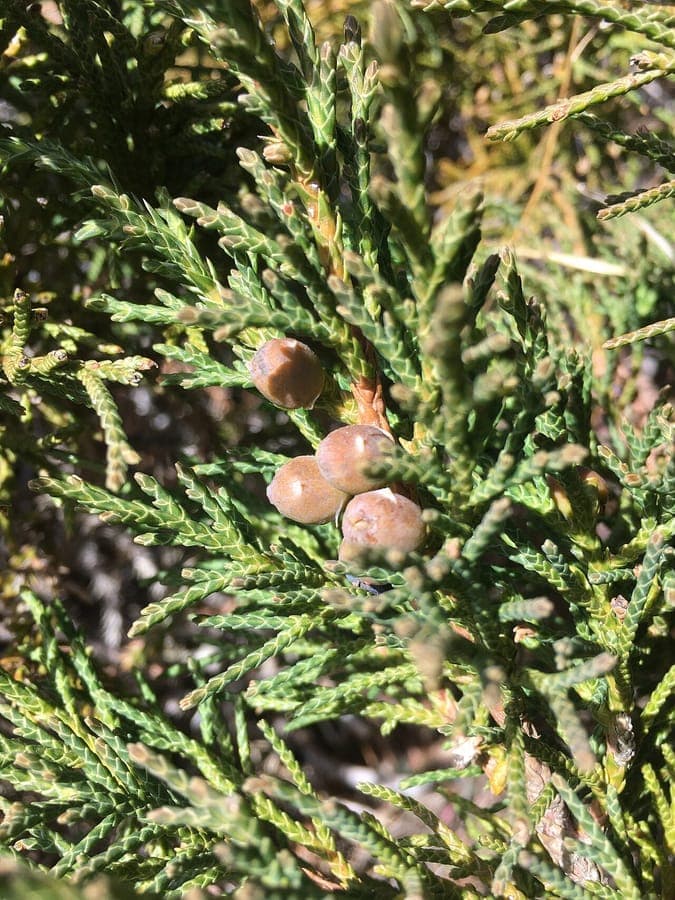
abogomazova / CC BY 4.0, via Wikimedia Commons
Black juniper (Juniperus indica): complete guide
Juniperus indica
¿Quieres ver Black juniper (Juniperus indica): complete guide en tu jardín?
1 minuto, sin tarjeta de crédito
Overview
The Black juniper (Juniperus indica) is an elegant coniferous plant originating from the Himalayan mountains. This species is found from Pakistan to northwestern China, thriving at considerable elevations. It is valued for its dark green, needle-like foliage and exceptional frost hardiness, making it an excellent choice for temperate gardens.
Appearance and Bloom
The Black juniper develops an upright, pyramidal growth habit, reaching up to 20 meters in height under favorable conditions. The foliage is fine-textured with densely packed needles providing an attractive, compact appearance. Rather than traditional flowers, the plant produces small, cone-shaped fruits that mature to a dark blue-black color over time.
Ideal Location
Position the Black juniper in full sun for optimal growth and development. A minimum of 6 hours of direct sunlight daily is essential for healthy establishment. The plant tolerates partial shade but grows more slowly in such conditions. Protect from strong, dry winds that can desiccate foliage and cause damage.
Soil
This juniper thrives in well-draining soil with good fertility. Acidic to neutral soil (pH 5.5-7.0) is ideal for maximum performance. Amend planting areas with organic material such as compost or peat to improve water retention without creating waterlogged conditions. The plant handles dry soils better than excessively moist ones.
Watering
Provide regular watering during the first growing season to establish young trees. Once established, the Black juniper is drought-tolerant and requires minimal supplemental watering. Water during dry spells, particularly in hot summers. Ensure proper drainage to prevent waterlogging and root rot.
Diseño gratis
¿Quieres ver Black juniper (Juniperus indica): complete guide en tu jardín? Crea un diseño gratis ahora.
Pruning
Pruning is generally unnecessary for healthy growth, though dead or damaged branches can be removed. Light formative pruning occurs in March or April before the growing season begins. Avoid aggressive pruning as the plant recovers slowly from severe cutting.
Maintenance Calendar
March-April: Growing season begins, light pruning possible. May-June: Active growth, minimal watering needed except during dry spells. July-August: Peak growth period with routine maintenance. September-October: Growth slows, winter preparation begins. November-February: Dormancy period requiring minimal care.
Winter Hardiness
The Black juniper is extremely hardy, tolerating temperatures down to -20°C. It is suitable for USDA zones 5-8. In severe winters, apply mulch around the base for additional protection, though this is unnecessary in milder climates.
Companion Plants
The Black juniper pairs beautifully with other conifers like pines and spruces. It also works well with silver-leaved plants such as lavender or artemisia. The plant attracts various bird species through its fruit production, adding ecological value to garden designs.
Closing
Gardenworld.app recommends this species for gardens requiring permanent structural forms. Available at garden centers throughout Europe. For expert placement advice tailored to your specific garden, visit gardenworld.app for personalized recommendations and design assistance.
¿Quieres ver Black juniper (Juniperus indica): complete guide en tu jardín? Crea un diseño gratis ahora.
Sube una foto, elige un estilo y obtén un diseño fotorrealista con lista de plantas en menos de un minuto.
Más de 10.000 jardines diseñados
Sin tarjeta de crédito


Plantas similares
African juniper (Juniperus procera): complete guide
Juniperus procera
Discover the African juniper from East Africa. Comprehensive guide for cultivation and care of this impressive ornamental conifer.
Temple juniper (Juniperus rigida): complete guide
Juniperus rigida
Discover the Temple juniper from Asia. Comprehensive guide for cultivation and care of this unique needle-bearing conifer with elegant form.
Western juniper (Juniperus occidentalis): complete guide
Juniperus occidentalis
Discover the Western juniper from the United States. Detailed guide for cultivation, care, and maintenance of this beautifully growing mountain conifer.