
Miwasatoshi / CC BY-SA 4.0, via Wikimedia Commons
Eyebane: complete guide
Euphorbia nutans
¿Quieres ver Eyebane: complete guide en tu jardín?
1 minuto, sin tarjeta de crédito
Overview
Eyebane (Euphorbia nutans) is a low-growing plant from the Euphorbiaceae family. This American species naturally occurs from Southeast Canada through North Venezuela and the Caribbean. The plant is celebrated for resilience and rapid growth, though it has become an invasive weed in many regions outside its native range.
Appearance & Bloom Cycle
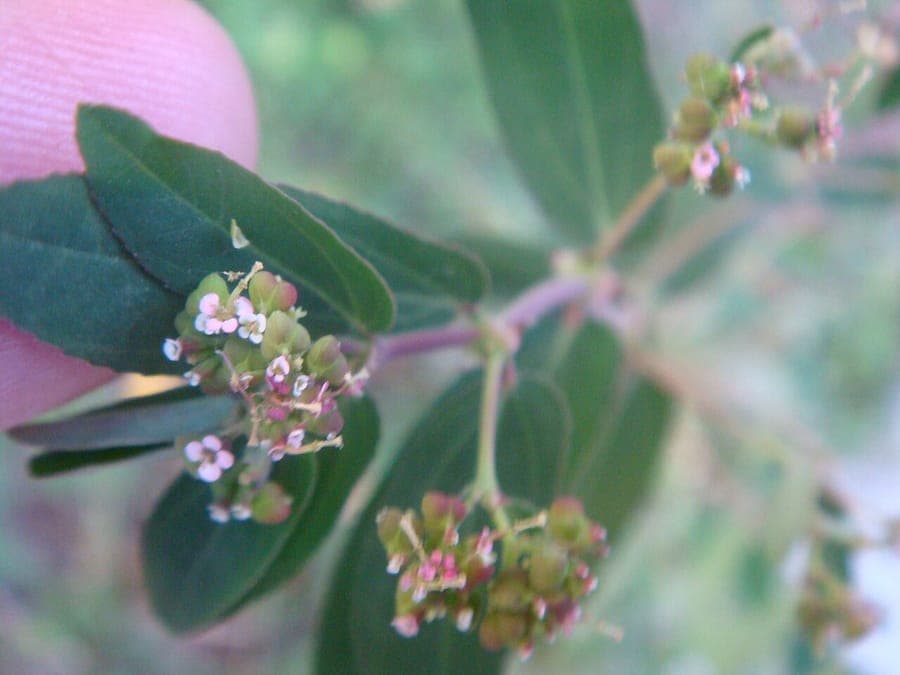
Eyebane is a low, shrubby grower typically achieving 20-50 cm height. The plant displays characteristic spreading form with numerous thin, arching stems. Leaves are small and oval-lanceolate, often with serrate margins. The plant frequently develops red-purple tints, especially in cooler seasons.
Blooming occurs year-round in tropical climates; in temperate regions May through October. Flowers are extremely minute and inconspicuous, arranged in characteristic cyathia structures. The plant is famous for massive seed production.
Ideal Location (if desired plant)
Eyebane tolerates highly diverse light conditions: full sun to deep shade. However, the plant performs better in semi-shaded to shaded conditions. In full sun, the plant suffers heat stress during extremely warm climates.
This species thrives in all garden types where growth is not directly suppressed. Also suitable for containers.
Soil Requirements
Eyebane grows on virtually all soil types, from sandy to clay-bearing substrates. The plant tolerates extremely nutrient-poor, acidic and alkaline soils. Prefers well-drained soils but also grows in wet places.
The plant accepts pH ranges of 4.0 to 8.0. This ranks among the most soil-tolerant plants available.
Watering
Eyebane tolerates both dry and wet conditions. Water the plant moderately, especially in containers. Excessive moisture does not cause root rot but proves unnecessary. The plant also grows without supplemental water in temperate climates with normal precipitation.
Even in extremely dry conditions, the plant survives, though less vigorously.
Diseño gratis
¿Quieres ver Eyebane: complete guide en tu jardín? Crea un diseño gratis ahora.
Pruning & Maintenance
Minimal pruning required. Deadhead spent flower clusters for neater appearance, though unnecessary. If the plant becomes excessively dense and opaque, gentle thinning in spring is possible.
Warning: Eyebane is invasive in many regions. Check local regulations before cultivating this plant. Remove seed-producing flowers to prevent spread.
Maintenance Calendar
January-March: Minimal growth in temperate climates. Check for frost damage.
April-May: Growth period begins. Water initially if rainfall is minimal.
June-September: Peak growth and flowering. Seed production in full swing.
October-December: Growth slows in temperate climates. Frost-sensitive parts may die.
Winter Hardiness
Eyebane is moderately frost-tender. In USDA zones 9-11, the plant grows continuously. In zones 7-8, frost may kill aerial parts, but the plant regenerates from seed. In zone 6 or colder, complete death occurs.
In very cold regions: cultivate as annual or move containers to protected locations.
Companion Plants
If you choose to cultivate Eyebane (where not invasive), it pairs with:
- Fern varieties for contrasting form
- Shade-tolerant groundcovers
- Leafy hostas for textural contrast
- Green screens for privacy
Practical Tips (Control Emphasis)
In many countries, Eyebane is a serious weed. Verify local regulations before actively cultivating this plant. In some regions, selling or spreading this plant is prohibited.
Remove the plant completely before seed (August-October) ripens. Pull the entire plant including roots. Seeds remain viable in soil for decades.
In containers: secure against bird dispersal. Stop flowers before seed ripens.
Do not use seed-bearing material for compost; seeds may emerge later.
In natural areas: herbicide control is sometimes necessary. Consult local authorities.
Visit gardenworld.app for plant guidance. Always check local regulations before cultivating unfamiliar plants.
¿Quieres ver Eyebane: complete guide en tu jardín? Crea un diseño gratis ahora.
Sube una foto, elige un estilo y obtén un diseño fotorrealista con lista de plantas en menos de un minuto.
Más de 10.000 jardines diseñados
Sin tarjeta de crédito


Plantas similares
Spurge: complete guide
Euphorbia chamaesyce
Discover Spurge (Euphorbia chamaesyce): cultivation techniques, care requirements, ideal locations, and practical tips for a thriving plant.
Sickle spurge: complete guide
Euphorbia falcata
Master Sickle spurge (Euphorbia falcata): cultivation methods, care requirements, plant distribution, and practical care tips.
Variegated spurge: complete guide
Euphorbia marginata
Explore Variegated spurge (Euphorbia marginata): cultivation, care, ideal locations, and practical tips for this striking ornamental.