
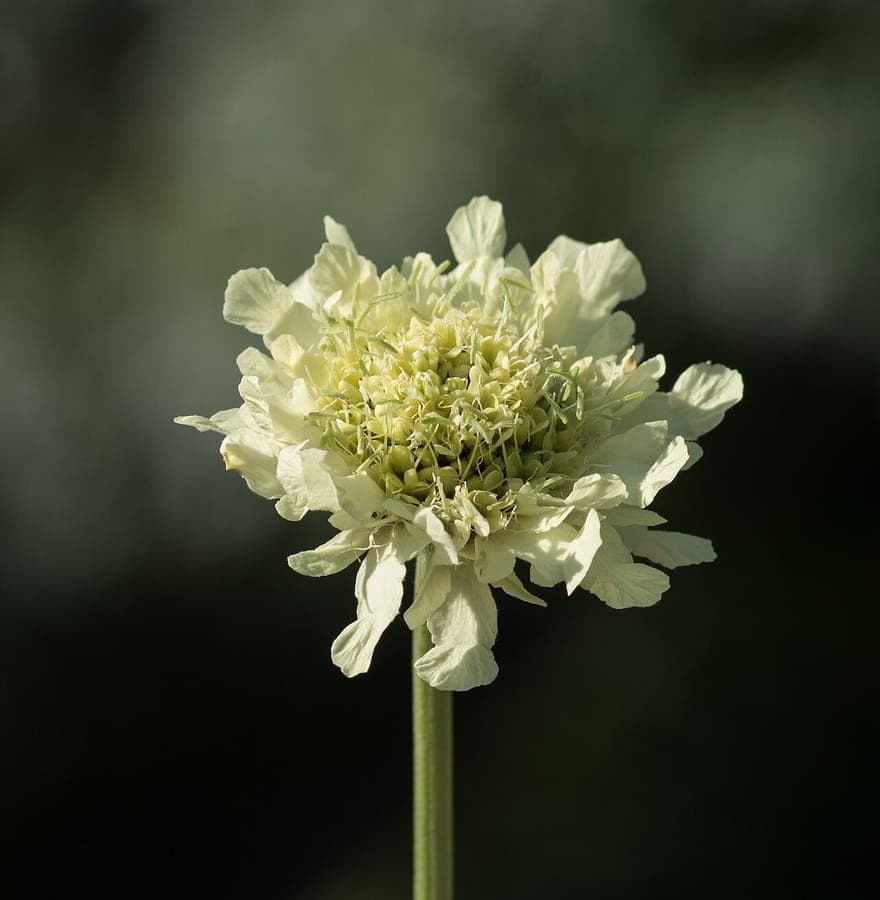
Dinkum / CC BY-SA 3.0, via Wikimedia Commons
Alpine Scabious: complete guide
Cephalaria alpina
¿Quieres ver Alpine Scabious: complete guide en tu jardín?
1 minuto, sin tarjeta de crédito
Overview
Alpine Scabious, scientifically Cephalaria alpina, is a charming mountain flower native to the Alps and Jura mountains of Europe. This perennial is endemic to France, Italy, Austria, and Switzerland. With its yellow flowers, this plant creates a light and airy presence in gardens. It reaches 60-90 centimeters tall with a spread of about 50 centimeters.
In modern garden design, this is particularly valued for alpine gardens, rock gardens, and borders with wild character. The flowers attract butterflies and pollinators. This is an extremely hardy, low-maintenance plant that, once established, requires virtually no extra care. For gardenworld.app, this is a perfect example of a sustainable, natural garden choice.
Appearance & Bloom
Alpine Scabious grows as a compact, loose mound with gray-green basal rosettes. The stems are slender and graceful, bearing finely divided foliage. The leaves are partly compound and partly simple, giving the plant a delicate appearance.
Flowers are tiny, about 2-3 millimeters, appearing in round flower heads of 2-3 centimeters diameter. The color is soft, pure yellow. The blooming period runs from June through August in alpine and temperate zones. Seeds that follow are small and inconspicuous. The entire plant has a graceful, almost bird-like silhouette.
Ideal Location
Choose a sunny position with at least five to six hours of direct sunlight. Alpine Scabious grows best in open sites with good air circulation. In very hot, southern climates, light afternoon shade can be beneficial.
In rocky garden bowls, alpine troughs, and raised beds this plant feels at home. It also works well in borders with well-draining soil. Protection from strong mountain winds is not essential - the plant is reasonably wind-resistant.
Soil
This plant strongly prefers well-draining, preferably lean soil. Heavy, wet soils are not tolerated well. A mixture of garden loam with grit, shale, or gravel gives best results. Soil pH can be neutral to slightly acidic.
Nutrient availability should be moderate - overly fertile soil promotes unwanted, struggling growth at the expense of flowering. This is a plant for those avoiding nutrient-rich mixes. The plant is drought-tolerant once rooted.
Diseño gratis
¿Quieres ver Alpine Scabious: complete guide en tu jardín? Crea un diseño gratis ahora.
Watering
Water regularly during the first growing season to encourage rooting. Once established, extra watering is usually unnecessary, even in dry periods. This plant actually tolerates drought much better than overwatering.
In pots, moisture management is more critical. Let soil dry almost completely between waterings. In winter, water barely at all - the plant enters dormancy then. Regional rainfall is usually sufficient.
Pruning
After blooming, cut off faded flowers to prevent self-seeding and keep the plant tidy. In early spring, the plant can be cut back several centimeters above ground. This encourages compact growth.
Dead or overgrown stems can be removed in autumn or early winter. Overall, this plant makes few demands regarding pruning. Old plants (over five years) may struggle to regenerate; replacement is then better.
Maintenance Calendar
January-March: Check drainage, no feeding. April-May: Water if dry. Remove old stems. June-August: Blooming peak. Cut faded flowers. September-October: Allow or prevent self-seeding. Monitor drainage. November-December: Plant enters dormancy. No feeding, minimal water.
Winter Hardiness
This alpine plant is extremely hardy, tolerating -25°C or colder. It withstands snow, ice, and winter winds without issues. In all temperate climates, right through to Northern Europe and Scandinavia, this plant overwinters perfectly outdoors.
The plant is also very long-lived if soil conditions are good. In wet winters, water pooling can cause more damage than frost. Ensure exceptional drainage in winter.
Companion Plants
Alpine Scabious combines well with other alpine and mountain plants. Group with other yellow bloomers like Heliantella, Sedum, and Anthyllis. White-flowering alpines like Cerastium uniflorum and other Cerastium species also fit beautifully.
In borders and steppe-like plantings it matches well with Gaura, Artemisia, Allium, and Lavender. Low-growing, blue-flowering companions like Veronica and Delphinium provide nice contrast. For dry, stony sites, combining with hardy specimens is essential.
Closing
Alpine Scabious is a wonderful choice for those wanting durable, hardy mountain plants. With attention to drainage and moderated feeding, you'll enjoy this delicate plant for years. For alpine gardens it is indispensable. Available at major garden centers and specialty shops. Visit gardenworld.app for more guides. This is also a strong choice for Belgian alpine gardens that gardenworld.app recommends.
¿Quieres ver Alpine Scabious: complete guide en tu jardín? Crea un diseño gratis ahora.
Sube una foto, elige un estilo y obtén un diseño fotorrealista con lista de plantas en menos de un minuto.
Más de 10.000 jardines diseñados
Sin tarjeta de crédito


Plantas similares
Yellow honeysuckle (Lonicera tragophylla): complete guide
Lonicera tragophylla
Meet yellow honeysuckle (Lonicera tragophylla): a Chinese climber with large golden flowers that thrives in partial shade.
Lonicera korolkowii: complete guide
Lonicera korolkowii Stapf
Discover blueleaf honeysuckle, a vigorous shrub with beautiful flowers. Guide on growing, shaping and why this Asian climbing plant is perfect for gardens.
Lonicera oblongifolia: complete guide
Lonicera oblongifolia Hook.
Discover swamp fly honeysuckle, a North American woodland plant. Guide on growing, caring and why this native species is valuable for gardens.