
Michal Maňas / CC BY 2.5, via Wikimedia Commons
American garlic: complete guide
Allium unifolium
¿Quieres ver American garlic: complete guide en tu jardín?
1 minuto, sin tarjeta de crédito
Overview
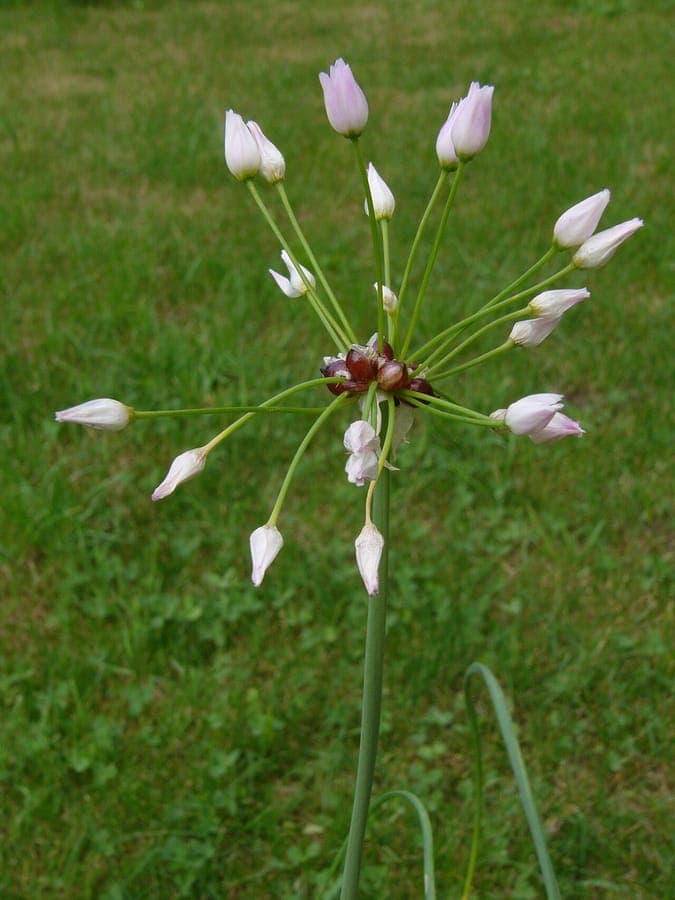
American garlic, scientifically known as Allium unifolium, is an attractive spring-flowering bulb from the Amaryllidaceae family. This plant hails from Oregon, California, and northern Mexico, famous for its elegant, pink flower clusters. Like many other Allium species, it works beautifully in borders and gaps where you want fresh color and structure.
The plant grows from an underground bulb and reaches approximately 20-40 cm in height. American garlic also has ornamental value for its silvery-gray foliage that persists long after blooming. This is a hardy plant that thrives in temperate climates and returns reliably year after year with minimal fuss.
Appearance and bloom time
American garlic features thin, grayish-green leaves that grow in tufts. The stems are tall and slender, ornamental in their own right. At the top appear ball-shaped flower clusters (umbels) with numerous small, soft pink to mauve flowers. The flowering period occurs in May-June, depending on your location.
Each tiny flower has six petals and displays golden stamens. The blooms attract bees and other pollinators, making them also valuable for wildlife. After flowering, seeds form in small pods. The dried seed heads remain decorative well into autumn, adding winter interest to the garden.
Ideal location
American garlic loves a sunny position with at least 6 hours of direct sunlight daily. A south-facing bed or border is ideal. The plant tolerates light shade as well, but flowers more abundantly in full sun.
Choose a spot with good drainage. Planting in wet soil leads to bulb rot. Also important: allow the leaves to remain for at least 4-6 weeks after flowering until they naturally dry. This allows the bulb to gather sufficient reserves for next season.
American garlic fits perfectly in ornamental grass borders, rock gardens, front plantings, or in containers on patio or balcony.
Soil requirements
This ornamental onion thrives in well-draining, mineral-rich soil. Avoid heavy, compacted, or clay-based materials; these promote stagnation. When planting, work sand or perlite through the soil if it is heavy.
Optimal pH ranges between 6.0 and 7.5. Acidic soil can be corrected with lime. Feeding is not critical; American garlic grows well in lean soil. Overly rich, high-nitrogen soil can actually promote more foliage and fewer flowers.
Lightly loosen the soil in spring with a bit of compost, nothing more is needed. Toward late summer or early fall, just before growth resumes, you may apply a light feeding with balanced fertilizer.
Watering
American garlic is fairly drought-tolerant, especially once established. During the growing season (autumn through spring), water regularly so the soil stays moist but definitely not waterlogged.
Once the plant finishes blooming in May-June and foliage begins yellowing, gradually reduce watering. The bulb needs a dormancy period then. In summer, as leaves completely wither, don't rush to water; the goal is preventing waterlogging.
In pots, pay extra attention to drainage. Ensure water does not accumulate in the pot base. In wet summers, especially outdoors, extra caution is warranted.
Diseño gratis
¿Quieres ver American garlic: complete guide en tu jardín? Crea un diseño gratis ahora.
Pruning
Pruning in the strict sense is not required for American garlic. Leave faded flowers until dry; only then remove them. This deadheading helps prevent the plant from expending energy on seed production.
Allow leaves to grow until they naturally yellow and die back. Only remove or pull them away once completely withered. This may take until July-August. The plant then recovers energy from the dying foliage.
In autumn, once nothing is growing, neatly remove dead leaf debris and keep the bed tidy.
Maintenance calendar
September-October: Plant bulbs 10-15 cm deep and at least 15 cm apart. Soil may still be moist from autumn rains.
November-March: Do little; the plant rests. Check for voles or other pests that dig up bulbs.
April: Growth increases. Apply light nitrogen feeding if desired.
May-June: Blooming time. Enjoy it. Ensure bees have good access.
July-August: Leaves die back. Let them grow. Don't water unless extremely dry.
August-September: Soil may dry out some. Prepare to plant new bulbs.
Winter hardiness
American garlic is very winter-hardy. The plant tolerates temperatures down to at least -15 degrees Celsius without trouble. In temperate climates, it survives outdoors without any winter protection.
The same applies in the Netherlands, Belgium, and Germany: American garlic grows perfectly well in the open garden here without winter covering. If you wish extra caution (for example, with young potted plants), apply a layer of leaf mold or straw in December-January over the planting area.
During very severe winters, some bulbs may experience frost damage, especially if in poor drainage. Hence good water removal in fall and winter is important.
Companion plants
American garlic combines beautifully with other low-growing plants and ornamental grasses. Try planting it in groups of 5-10 bulbs at a time for greater impact. Good partners include:
Evening primrose (Oenothera) in yellow or white provides clean contrast. Small snowdrops (Chionodoxa) and grape hyacinths (Muscari) flower at the same time. Ground covers like creeping phlox (Phlox subulata) fill spaces nicely. Ornamental grass like blue fescue (Festuca glauca) creates structural contrast.
In naturalistic borders, American garlic fits well among hydrangeas and dwarf spruces that provide some shade. Combined with lavender and catmint, it is a success.
Conclusion
American garlic is perhaps an underrated choice for any gardener seeking color and elegance without fuss. Once planted, this ornamental onion largely takes care of itself. Your main task remains: patience until the leaves naturally wither.
Looking for this plant for your garden? Most garden centers stock it regularly, especially in autumn as loose bulbs. Prefer mail order? Specialized nurseries offer shipment as well.
Want to learn more about ornamental onions? Visit gardenworld.app for inspiration on other Allium species and combination possibilities. On gardenworld.app you'll also find a complete database of plant combinations for your specific garden.
Visit gardenworld.app today to explore design ideas and expand your knowledge of beautiful garden plants that work together harmoniously.
¿Quieres ver American garlic: complete guide en tu jardín? Crea un diseño gratis ahora.
Sube una foto, elige un estilo y obtén un diseño fotorrealista con lista de plantas en menos de un minuto.
Más de 10.000 jardines diseñados
Sin tarjeta de crédito


Plantas similares
Douglas' Onion: complete guide
Allium douglasii
Douglas' onion is a compact ornamental allium with purple flowers, perfect for rock gardens and sunny borders. Learn care, siting and hardiness.
Oblique onion: complete guide
Allium obliquum
The oblique onion is a hardy ornamental allium with chartreuse flower heads and blue-green foliage. Location, soil and care explained.
False hooded garlic: complete guide
Allium pseudocalyptratum
Discover false hooded garlic (Allium pseudocalyptratum): a rare ornamental onion from Lebanon for rock gardens and alpine troughs.