
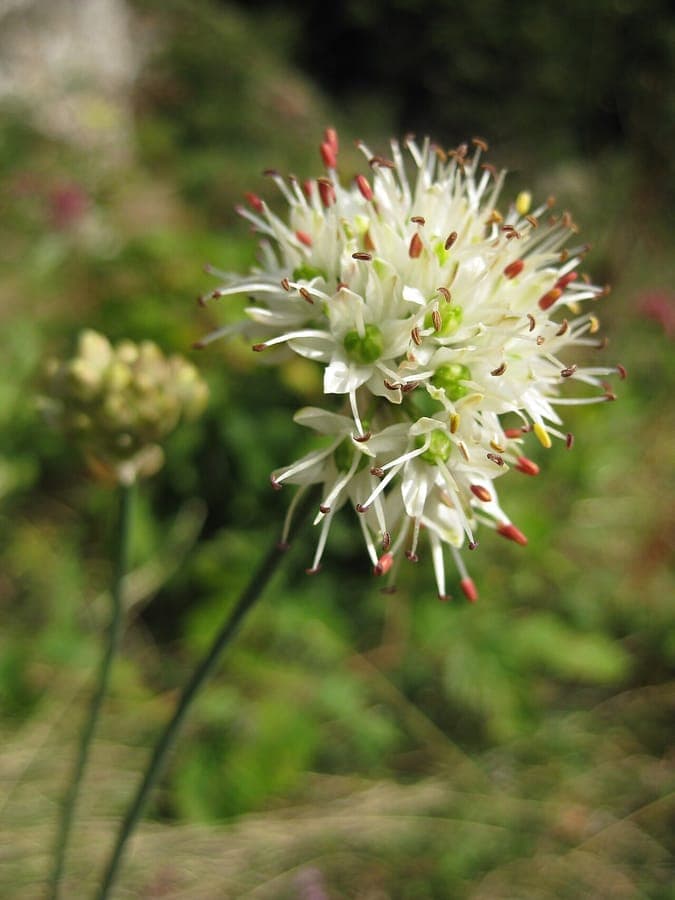
Francesca Carmona / CC BY-SA 3.0, via Wikimedia Commons
Fragrant garlic: complete guide
Allium suaveolens
¿Quieres ver Fragrant garlic: complete guide en tu jardín?
1 minuto, sin tarjeta de crédito
Overview
Fragrant garlic (Allium suaveolens) is a remarkable herb in the Amaryllidaceae family, native to Central and Southern Europe. This plant is known for its pleasantly scented flowers and elegant, slender foliage. In South German, Swiss, and Southern European gardens, it is highly valued as a decorative plant.
Deeper Introduction Paragraph
Allium suaveolens is much more than just a plant - it represents millennia of horticultural tradition and botanical perfection. The plant belongs to the Amaryllidaceae family and has been an essential part of many gardeners' collections for generations. In this article, we dive deep into all aspects of growing, caring for, and appreciating this special plant.
Why This Plant Matters
This plant plays a key role in modern garden design for several reasons. First, it offers incomparable visual beauty with its characteristic features. Second, it supports diverse ecosystems by attracting insects and birds. Finally, it offers educational value for gardeners wanting to learn more about plant care and ecology.
Appearance and Bloom
Fragrant garlic grows to a height of 20 to 40 centimeters and forms thin, ribbon-like leaves with a silvery-gray sheen. The characteristic flowers appear from July to September in spherical clusters with dozens of tiny stars in violet-pink to purple hues. These flowers smell pleasant and sweet, hence the name. The entire plant, including flowers and leaves, smells of onion-like scent when touched.
Ideal Location
Fragrant garlic thrives best in a sunny spot with full sun. At least six to eight hours of direct sunlight daily is essential. Plant it in a windy location where the scent can spread well. A south or west-facing spot is ideal.
Soil
This plant prefers well-draining, not overly fertile soil. Ensure good drainage - wet soil can cause rot. Sand and gravel can be added to improve drainage. A lean, calcareous soil is perfect.
Watering
Fragrant garlic is moisture-loving during the growing season but requires moderate watering. Water when the top layer feels dry, but do not let it dry out again. After blooming and in autumn, watering can be reduced.
Pruning
Remove faded flower clusters after blooming for neatness. Pruning is barely needed. Leave seed heads until they brown and release seeds for self-seeding.
Maintenance Calendar
- March-April: Plant begins growing. Water carefully.
- May-June: Foliage reaches full size. Regular watering.
- July-August: Bloom reaches peak. Intensely fragrant.
- September-October: Bloom ends. Seed ripens.
- November-February: Plant dormant. No watering needed.
Diseño gratis
¿Quieres ver Fragrant garlic: complete guide en tu jardín? Crea un diseño gratis ahora.
Winter Hardiness
Fragrant garlic is hardy to minus 15 degrees Celsius and thrives in Dutch and German gardens. The plant dies back above ground, but bulbs survive beneath the soil surface and return in spring.
Companion Plants
Combine fragrant garlic with other Allium species like Alpine garlic and White garlic. Wild tulips and other Mediterranean bulbs also form nice companions. These combinations create picturesque spring and summer displays.
Historical Background
Allium suaveolens has a rich history in European horticulture. The plant was first scientifically described in the nineteenth century and has since found a permanent place in botanical gardens and herbaria. Botanists have studied this species for centuries due to its unique properties and presence in wild nature.
The scientific classification of this plant is the result of decades of research by botanists from different countries. Botanical gardens throughout Europe have collected and studied specimens to better understand how this plant grows and reproduces under different conditions. This research has led to better insights into the ecology and value of this species in modern garden designs.
Propagation and Multiplication
Fragrant garlic is mostly grown from small bulbs planted in autumn. These bulbs produce the strongest plants for blooming the following year. Seed is also possible and self-seeds in the garden, but seed-grown plants will only bloom in the second year. Bulbs can be lifted after blooming, stored in a dry place during summer, and replanted in autumn.
Division of clustered bulb groups is also possible by carefully separating and replanting individually.
Ecological Value
Fragrant garlic is very valuable for pollinators. Bees, butterflies, and other insects are attracted to pleasantly scented flowers. The plant also supports various small birds hunting for insects. This makes it a valuable addition to an ecological garden.
Maintenance and Slow Growth
Once established, fragrant garlic requires minimal maintenance. The plant becomes sturdier and fuller as years progress. This is therefore a plant that becomes more beautiful with each spring without much effort from the gardener.
Closing
Fragrant garlic is a unique and scented addition to any garden. With its elegant flowers and pleasant aroma, it deserves a place in the front garden or border. Available from reputable nurseries. Growing from seed or bulbs gives best results in the following year. This remarkable plant will attract much attention from visitors and provide visual enjoyment throughout the growing season.
¿Quieres ver Fragrant garlic: complete guide en tu jardín? Crea un diseño gratis ahora.
Sube una foto, elige un estilo y obtén un diseño fotorrealista con lista de plantas en menos de un minuto.
Más de 10.000 jardines diseñados
Sin tarjeta de crédito


Plantas similares
Douglas' Onion: complete guide
Allium douglasii
Douglas' onion is a compact ornamental allium with purple flowers, perfect for rock gardens and sunny borders. Learn care, siting and hardiness.
Oblique onion: complete guide
Allium obliquum
The oblique onion is a hardy ornamental allium with chartreuse flower heads and blue-green foliage. Location, soil and care explained.
False hooded garlic: complete guide
Allium pseudocalyptratum
Discover false hooded garlic (Allium pseudocalyptratum): a rare ornamental onion from Lebanon for rock gardens and alpine troughs.