
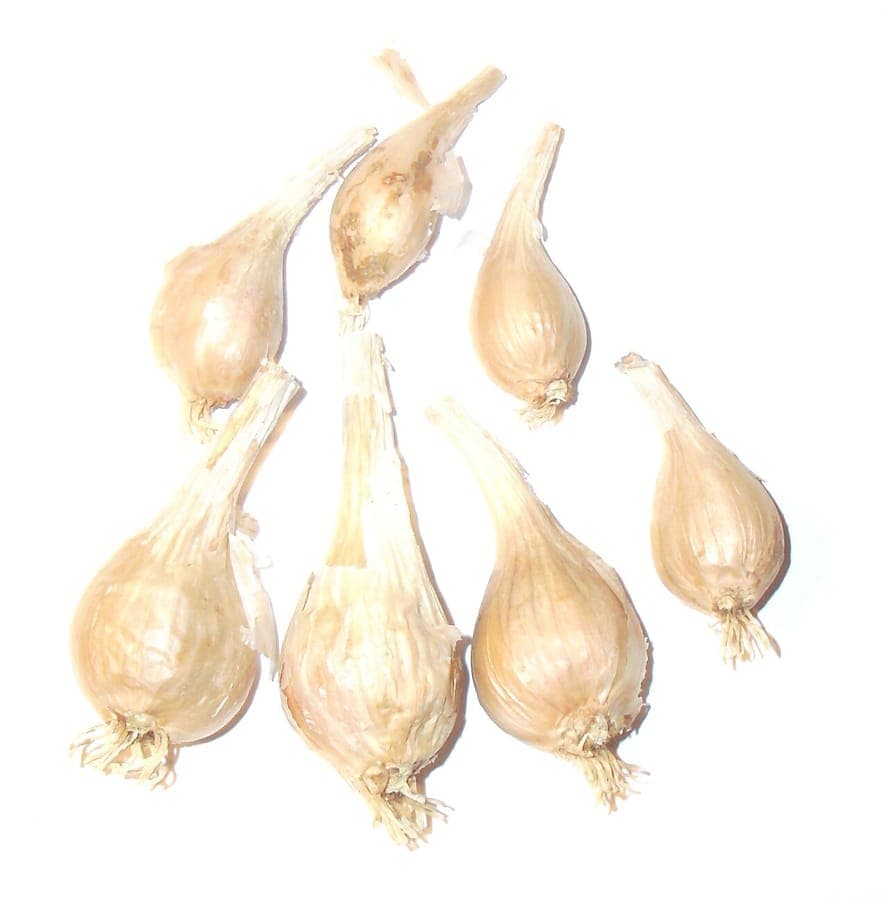
Arn / CC BY 4.0, via Wikimedia Commons
Allium oschaninii: complete guide
Allium oschaninii
¿Quieres ver Allium oschaninii: complete guide en tu jardín?
1 minuto, sin tarjeta de crédito
Overview
Allium oschaninii, commonly known as the French grey shallot or Grise de la Drome, is a fascinating plant from the Amaryllidaceae family. Naturally growing from northeastern Iran to Central Asia, this plant has spread worldwide for its culinary value and taste. For gardeners, Allium oschaninii offers a unique combination of decorative appearance and practical edibility.
The French grey shallot is renowned for its subtle flavor and fine structure. Unlike many other shallot varieties, this species remains relatively small and compact, making it perfect for smaller vegetable gardens or container cultivation. The plant is robust and adaptable, making it an ideal choice for beginning gardeners.
Appearance and bloom
Allium oschaninii forms greyish-green leaf bundles that grow from the ground. The leaves are long, narrow, and have a characteristic grey sheen that makes the plant stand out in the garden. This grey color is very characteristic and distinctive from many other onion-related plants.
When the plant blooms, it does so in April and May. The flowering structure is highly decorative with clustered flowers in purple or violet tones. These flowers attract pollinators and are very attractive to butterflies and bees. After flowering, seeds form that can be collected for cultivation next year.
Ideal location
Allium oschaninii grows best in locations receiving at least six hours of direct sunlight daily. The plant thrives in full sun, although it can also work in light shade. In the Netherlands and Belgium, this usually means placing the plant in full sun in your vegetable garden or on a sunny terrace.
The plant is highly adaptive to various climate zones and can grow in both temperate and colder climates. This makes it excellent for gardens in Northern Europe. The plant naturally grows in Asian mountain regions, so it can tolerate fairly harsh conditions.
Soil
Allium oschaninii requires well-draining, nutrient-rich soil. The plant thrives better in relatively rich soils than some other Allium varieties. Adding compost or organic matter to the soil when planting will be beneficial. The plant prefers neutral to slightly acidic soils, although it can also grow on alkaline soil.
Ensure full drainage, as the plant cannot tolerate bulb rot if left in water. Heavier clayey soils can be improved by adding sand or grit. The plant is not particularly fussy and grows reasonably well in most garden soils.
Watering
Allium oschaninii requires regular watering, especially during the growing season and blooming. Water deeply when you irrigate, so the water reaches the root zone. The plant should not, however, sit in water, so ensure excess water can drain away.
During the growth phase in spring and early summer, the soil should remain moist but not wet. Watering once a week is usually sufficient, unless it is extremely hot. After flowering, watering can be gradually reduced. During summer dormancy, watering can be almost entirely stopped.
Diseño gratis
¿Quieres ver Allium oschaninii: complete guide en tu jardín? Crea un diseño gratis ahora.
Pruning
Allium oschaninii requires minimal pruning. You can gently remove yellowed or dead leaves when they no longer look good. This can be done with a clean pair of scissors or a knife.
If you want to encourage the plant to form more side flower stems, you can cut the first flower somewhat earlier. This gives the plant a chance to put more energy into side flowering. After blooming, withered flower stems can be removed, but leave the foliage intact until it dies naturally, as the plant continues to withdraw nutrients from the leaves.
Maintenance calendar
March-April: Check soil for moisture; start regular watering May-June: Enjoy the blooms; water weekly July-August: Gradually reduce watering; plant begins to rest September-October: Remain vigilant for snout beetles and other pests November-February: Plant rests; very limited watering
Winter hardiness
Allium oschaninii is reasonably hardy and can overwinter outdoors in most European gardens. The plant originates from mountain regions with fairly severe winters, so it has some cold tolerance. In the Netherlands, Belgium, and France, the plant should be able to overwinter without special protection.
In very severe winters, some bulbs may die, especially if exposed to wet conditions. This can be prevented by ensuring the soil drains well. Mulching in winter can be helpful in very cold regions to protect the bulbs from extreme cold.
Companion plants
Allium oschaninii combines beautifully with other vegetables in the vegetable garden. Plant it alongside potatoes, peppers, or other warm-season vegetables. Due to its decorative flowers, it can also be placed beautifully in ornamental gardens, for example among roses and other flowering plants.
In container cultivation, it can be planted together with other herbaceous plants. The refined flavor makes it a complement to many traditional vegetables. Combined cultivation with cut flowers may prove beneficial as it attracts pollinators.
Closing
Allium oschaninii is a beautiful plant that is both decorative and useful in your garden. With its graceful flowering structure and fine flavor, it offers many possibilities. The plant is relatively easy to grow and requires little special maintenance. Try this fascinating variety in your vegetable garden and discover why it is so valued by connoisseurs and gardeners. For plant material and information, visit specialized nurseries and garden centers. Create your dream vegetable garden with Allium oschaninii on gardenworld.app.
¿Quieres ver Allium oschaninii: complete guide en tu jardín? Crea un diseño gratis ahora.
Sube una foto, elige un estilo y obtén un diseño fotorrealista con lista de plantas en menos de un minuto.
Más de 10.000 jardines diseñados
Sin tarjeta de crédito


Plantas similares
Douglas' Onion: complete guide
Allium douglasii
Douglas' onion is a compact ornamental allium with purple flowers, perfect for rock gardens and sunny borders. Learn care, siting and hardiness.
Oblique onion: complete guide
Allium obliquum
The oblique onion is a hardy ornamental allium with chartreuse flower heads and blue-green foliage. Location, soil and care explained.
False hooded garlic: complete guide
Allium pseudocalyptratum
Discover false hooded garlic (Allium pseudocalyptratum): a rare ornamental onion from Lebanon for rock gardens and alpine troughs.