 Bulbs & tubers
Grecian Windflower is a charming, low-growing bulb that begins blooming as early as February with star-shaped flowers in blue, pink, or white. The fine, fern-like foliage forms low carpets that naturalise beautifully under trees and shrubs. One of the earliest spring bulbs to bring colour.
Want to see Grecian Windflower in your garden?
1 minute, no credit card
Want to see Grecian Windflower in your garden? Make a free design now.
Upload a photo, pick a style, and get a photorealistic design with plant list in under a minute.
10,000+ gardens designed already
No credit card required


Characteristics
- Sun
- Partial shade, Full sun
- Water
- Medium
- Height
- 10–15 cm
- Spread
- 10–15 cm
- Hardiness zone
- 4–8
- Family
- Ranunculaceae
- Evergreen
- No
- Flower colors
- blue, pink, white
- Wildlife value
- bees
Bloom period
Care guide
Soak tubers overnight in water before planting. Plant in September-October at 5 cm deep in partial shade or full sun in well-drained soil. Ideal under deciduous trees where spring sunlight still reaches. Leave to naturalise for the best effect.
Pruning tips
No pruning needed. Let foliage die back naturally after flowering — it retreats by May-June. If planted in lawn, delay mowing until foliage has fully yellowed. The plants spread naturally via seed and tuber growth.
Good companions
 Bulbs & tubers
Crocus vernus
Spring Crocus
The Spring Crocus is one of the very first flowers to open in February and March, in shades of purple, yellow, or white. The small chalice-shaped blooms often appear before the foliage has fully developed. Crocuses naturalise beautifully in lawns and are an early food source for bees after winter.
 Bulbs & tubers
Muscari armeniacum
Grape Hyacinth
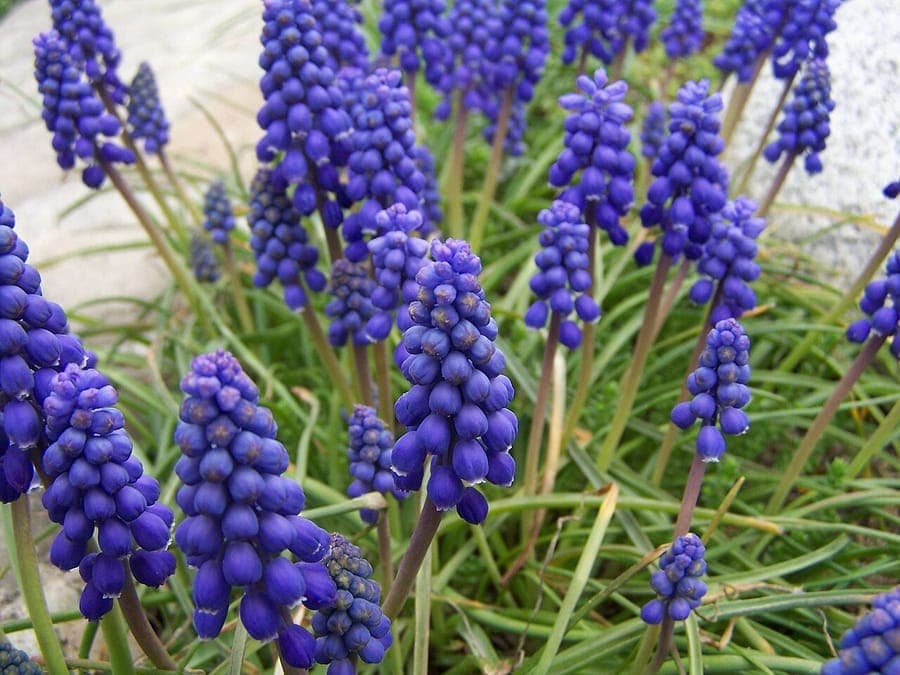
Grape hyacinths are charming, small bulbs that produce dense clusters of cobalt-blue, bell-shaped flowers in March and April. They release a light, sweet fragrance and naturalise effortlessly, returning in ever-larger groups each year. Ideal for naturalising in lawns, under trees, or as edging along paths.
 Bulbs & tubers
Narcissus pseudonarcissus
Daffodil
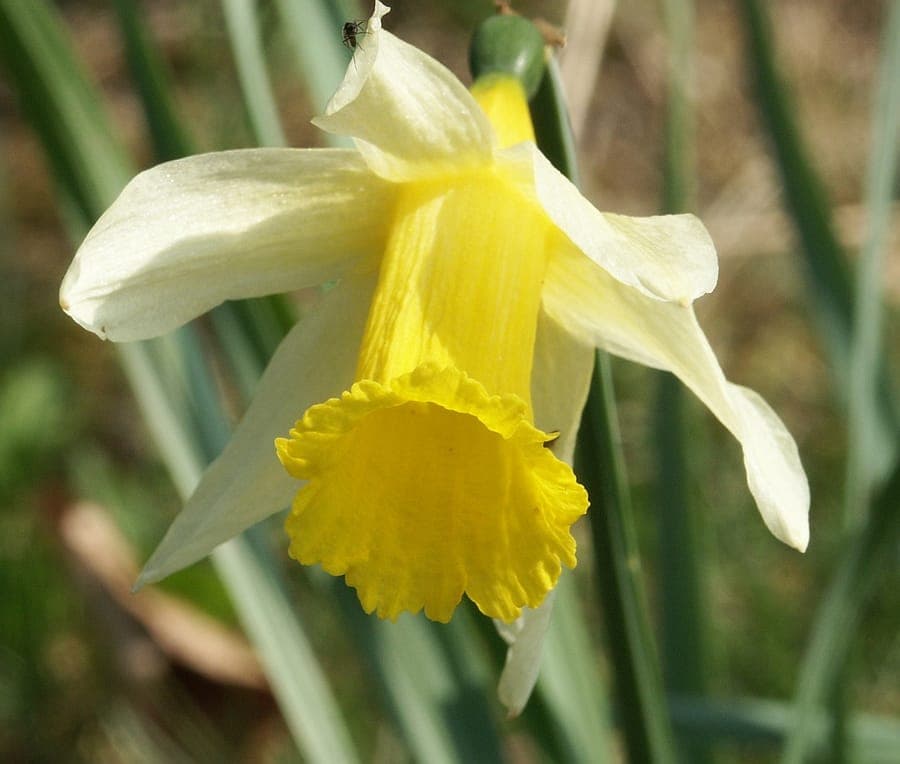
The Daffodil is one of the earliest spring bloomers, with distinctive yellow or white flowers that release a fresh, sweet scent. Blooming in March and April, daffodils naturalise easily in lawns and under trees. The bulbs are toxic to rodents, so they remain untouched.
Garden design in 1 minute
Upload a photo, pick a style. Get plant list, technical sheet and care description.
Start freeNo credit card
View examplesAs an Amazon Associate we earn from qualifying purchases. It costs you nothing extra.