

Watering during a heat wave: when, how much, what first
By the GardenWorld editorial team, updated on
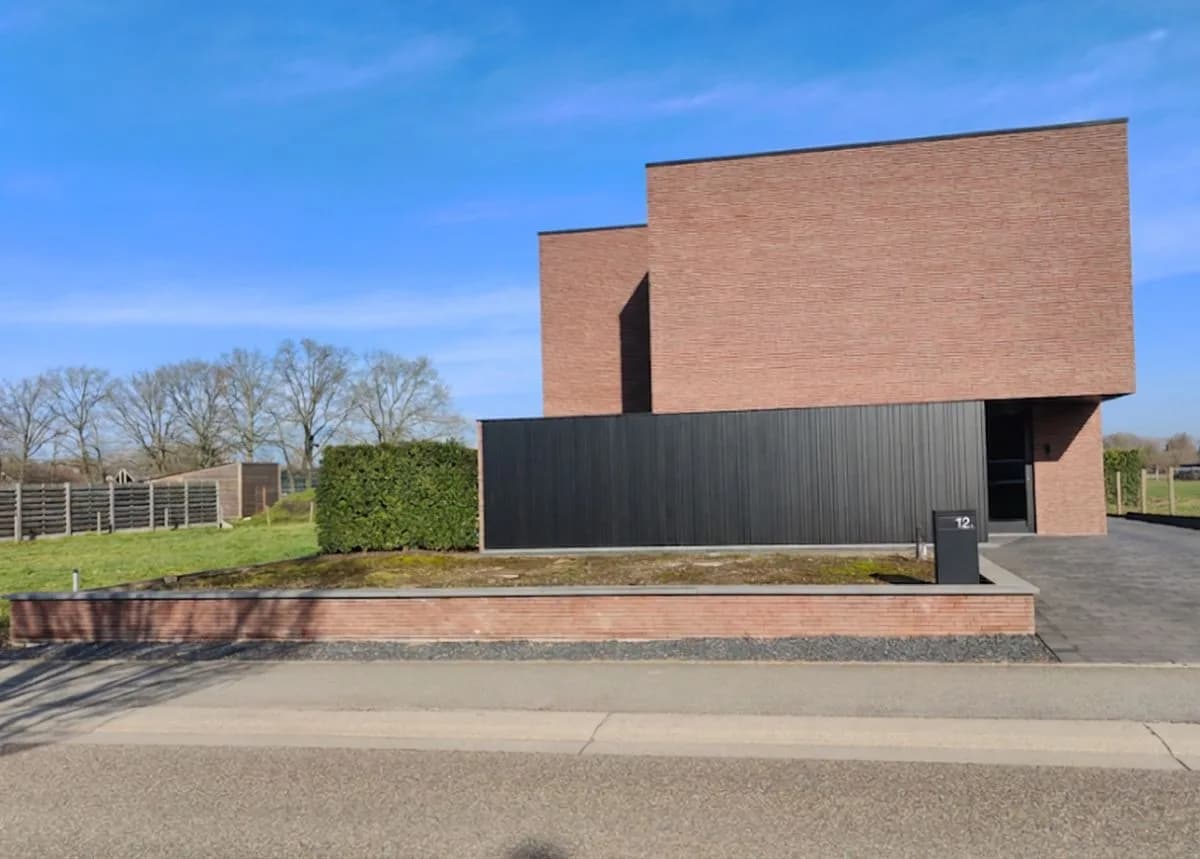
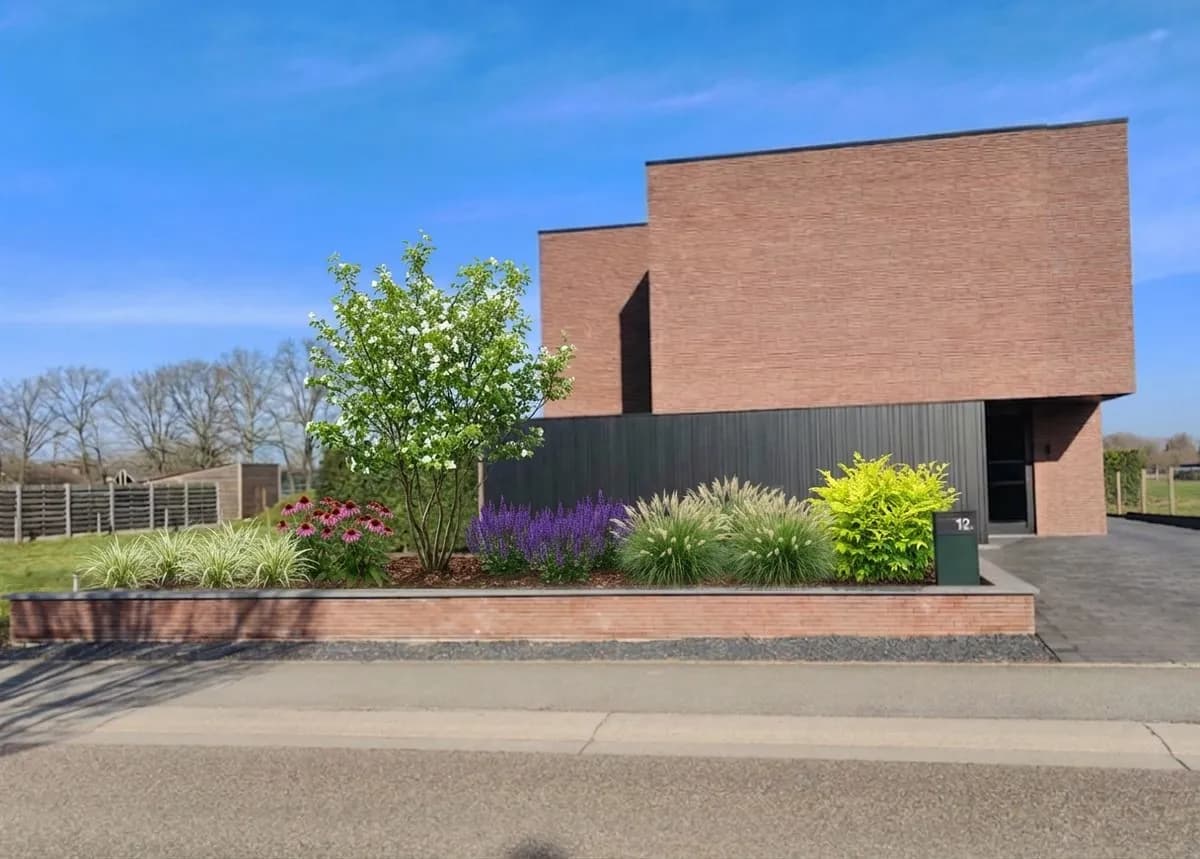
Want to see this in your garden?
Full design in HD: €7.99
Why heat waves stress gardens
A heat wave turns water into your most valuable tool. When temperatures climb above 30 degrees, water evaporates from soil twice as fast. Shallow roots dry out in hours, especially in full sun. Plants close their stomata to reduce water loss, but then they also stop taking up nutrients. The plant suffers. Some tough it out, others give up.
But not everything deserves equal attention. A lawn can easily survive a week without watering. Newly planted ground covers, on the other hand, will die without water. This guide helps you set priorities: which plants water first, when to water, how much, and what you can safely skip until cooler weather returns.
Water in the morning: why early is better
Always water early in the morning, ideally between six and nine o'clock. Three reasons. First: the water has all day to soak deep into the soil before the afternoon sun dries the surface. Water you apply at four in the afternoon evaporates before the plant can use most of it.
Second: morning water lets the foliage dry during the day. Wet leaves in heat risk fungal problems like powdery mildew. If you must water in evening, the night begins with wet leaves and humid air, ideal for mildew spores.
Third: birds and insects need more water in heat. When you water in morning, wet foliage and moist soil provide drinking water and cooling for birds before the hottest hours arrive.
Deep and infrequent beats shallow and daily
This is the core principle: deep watering once or twice a week beats light daily sprinkles. Why? Shallow watering encourages shallow roots. Plants stay weak, dependent on daily water. Miss one day and they collapse.
Deep water penetrates 20 to 30 centimetres into the soil. Plant roots follow it down. A plant with deep roots survives much longer without water, because the soil stays moist deeper. A plant with only shallow roots dries out in hours.
How do you water deeply? Give water once, let it soak in until the water vanishes into the soil, then water again. Total two to four litres per square metre of soil, depending on soil type. Heavy clay holds water longer, so less water needed. Sandy soil drinks everything fast, so more water. Feel the soil. Push your finger down to your knuckle. Still damp? Then do not water yet.
Which plants get water first
You do not have enough water or time for everything. This is the priority order.
Newly planted perennials and shrubs: These have only ten centimetres of roots. In heat this dries in one day. Water these daily, deeply, in morning.
Potted plants and window boxes: Pots lose water fast through evaporation from all sides. A terracotta pot in full sun loses water in eight hours. These need daily watering, sometimes twice daily in extreme heat. Check daily with your finger in the soil.
Vegetables: Tomatoes, courgettes and peppers need water. They show stress quickly (drooping, small fruit). Water vegetables two or three times weekly, deeply. Mulch around them (5 centimetres of grass clippings or straw) keeps soil moist.
Young hedges: A new boxwood (Buxus sempervirens) or laurel hedge has not yet rooted deep. Water these weekly, deeply, at least until October.
Lower priority: lawn, ground covers: A lawn can survive two weeks without water and recover. An established carpet of ground cover (like ivy or heather) also can. Skip these if water is scarce.
Let the lawn rest in heat waves
It sounds odd, but in extreme heat, forget the lawn. Ask yourself why you want to water it. If you want to mow it for appearance: you do not have to. Mowing stresses root growth, but in heat this is counterproductive. Let it grow. Set the mower to ten centimetres high and mow only if absolutely necessary.
If you want water to keep it green: let go. A lawn that yellows in July grows green again when October arrives. It is not dead, it is dormant. Cool-season grass can survive four to six weeks without water, if the soil is not compacted (no footpaths, no vehicles).
Is your lawn heavily compacted? That lawn suffers more quickly and may die. But that is a different problem you cannot solve now by pouring water on it. Let it be, see what survives, and reseed in September.
Exception: a very young lawn from seed (less than four months old) needs light watering weekly. New grass shoots have no deep roots yet.
Water amounts per plant
A rough guide per plant:
- 30-litre pots: one to two litres daily (two litres in extreme heat).
- 10-litre pots: half to one litre daily.
- Established border plants with deep roots: two litres per week (one deep watering).
- Young border plants (first year): one litre twice weekly.
Always check by feeling the soil. No guessing. Feel the soil.
Free preview
Create your own garden design
Shade: the best prevention
Watering helps, but shade cloth helps more. A fine mesh cloth (30 to 50 percent shade) cuts evaporation by more than half. Install it in June over potted plants in full sun, especially orchids and tropical foliage plants. Remove it in September so plants get light for autumn colour. Not sure which plants cope best with your garden's exposure? On gardenworld.app you can see a drought-tolerant planting plan in your own garden first.
For vegetables: build a pergola with climbing plants overhead in June, or drape cloth over south-facing walls where tomatoes grow. This saves daily watering and protects fruit (prevents sunscald on tomatoes).
Mulch: holding water without cloth
Mulch (5 to 8 centimetres of straw, fallen leaves or wood chips) is free shade. It does not show, you do not hang it, and it feels natural. Mulch reduces soil evaporation by 40 to 60 percent. Mulching around vegetables, shrubs and perennials in June saves months of watering.
Just keep it away: mulch piled against wood promotes disease. Keep it five centimetres clear of tree and shrub stems.
Water from rainwater tanks and basins
In a heat wave, tap water gets expensive. Rainwater from a tank cost you nothing and is better for most plants (no chlorine, no lime from the tap). Set up two to four rainwater tanks by May if you haven't already. In June they pay for themselves.
Small gardens: fill large garden basins (twenty litres) with water in May and set them in shade. This water you can use immediately without turning on the tap.
What you should let go
Plants not worth saving in heat:
- A garden you just renovated and replanted in full sun without shade. Let that experiment wait until October.
- Mediterranean plants such as rosemary (Rosmarinus officinalis), lavender (Lavandula) and thyme (Thymus vulgaris) tolerate heat and drought. Do not water them, let them be.
- Climbing plants like ivy (Hedera helix) and clematis that are years established. These have deep roots and manage fine.
Skip the work: stop maintenance until cooler weather. No pruning of shrubs, no hedge trimming. Pruning in heat stresses plants. Wait until October.
Step-by-step plan for a heat wave
Step 1: Identify priorities
List your potted plants, young plantings and vegetables. These get water first.
Step 2: Set morning watering
Set an alarm for six or seven. Water before nine in the morning.
Step 3: Water deeply
Water once, let it soak in, water again. Not light daily sprinkles.
Step 4: Check soil daily
Feel the soil every day. This is the only proof of water need.
Step 5: Mulch around vegetables and shrubs
Lay down five centimetres of mulch in June. This saves litres of weekly watering.
Step 6: Install shade cloth for potted plants
For extreme heat, drape cloth over pots on the south side.
Step 7: Let go of what you cannot save
Lawn, old ground covers: forget them until October.
Frequently asked questions
Can I water late evening instead of morning? Yes, but not ideal. Evening water leaves the plant with wet foliage during the cool night, attracting fungi. Rain falls evenings too, so plants can handle it. But morning is better because foliage dries during the day.
How do I know if a plant has enough water? Feel the soil to your knuckle depth. Does it feel like a wrung-out sponge, slightly damp but not dripping? Good. Feels bone dry? Water now. Feels waterlogged? Wait a day.
Can I use sprinklers in heat waves? Yes, but inefficient. Much water evaporates before soil absorbs it. Drip irrigation or hand watering is better. If you must use sprinklers: early morning, not in full sun.
Does iron supplement or blood meal help stressed plants? No. Water and shade help. Fertiliser helps only if the plant is already strong. A stressed plant you feed still stays stressed. Water first, feed later when cooler weather returns.
When does a heat wave end?
When temperatures drop below 25 degrees, evaporation also drops. Usually September. Then you can gradually water less. But autumn can be dry too: October and November are sometimes drier than July. Stay vigilant until October, but less intensely.
Winter reaches your garden in November. Watering largely stops. Only potted plants need care.
See it in your own garden first
Upload a photo of your garden on gardenworld.app and view a free preview of a new design with plants that cope better with heat. The sharp image with the full plant list costs 7.99 euros, once, no subscription.
Water wisely. A plant under stress is not a dead plant, just a sleeping one.
Create your own garden design
Upload a photo, pick a style, and get a photorealistic design with plant list in under a minute.
Full design in HD: €7.99
Related articles
Garden ConstructionHeat protection plan: garden above 30 degrees
Temperatures above 30 degrees challenge every garden. A good heat plan protects your plants, water table and outdoor living space when the heat arrives.
 Garden Construction
Create shade in a hot garden: trees, sails and pergolas
A hot garden without shade becomes a greenhouse. Learn which trees grow quickly, how to deploy screens and what pergolas with climbers offer.
 Garden Construction
Drip irrigation in the border: water efficiently
Drip irrigation saves water, time and money. Learn how to connect a drip system, where to place it and how to winterise it.