

Protecting cherries and berries from birds without loose netting
By the GardenWorld editorial team, updated on
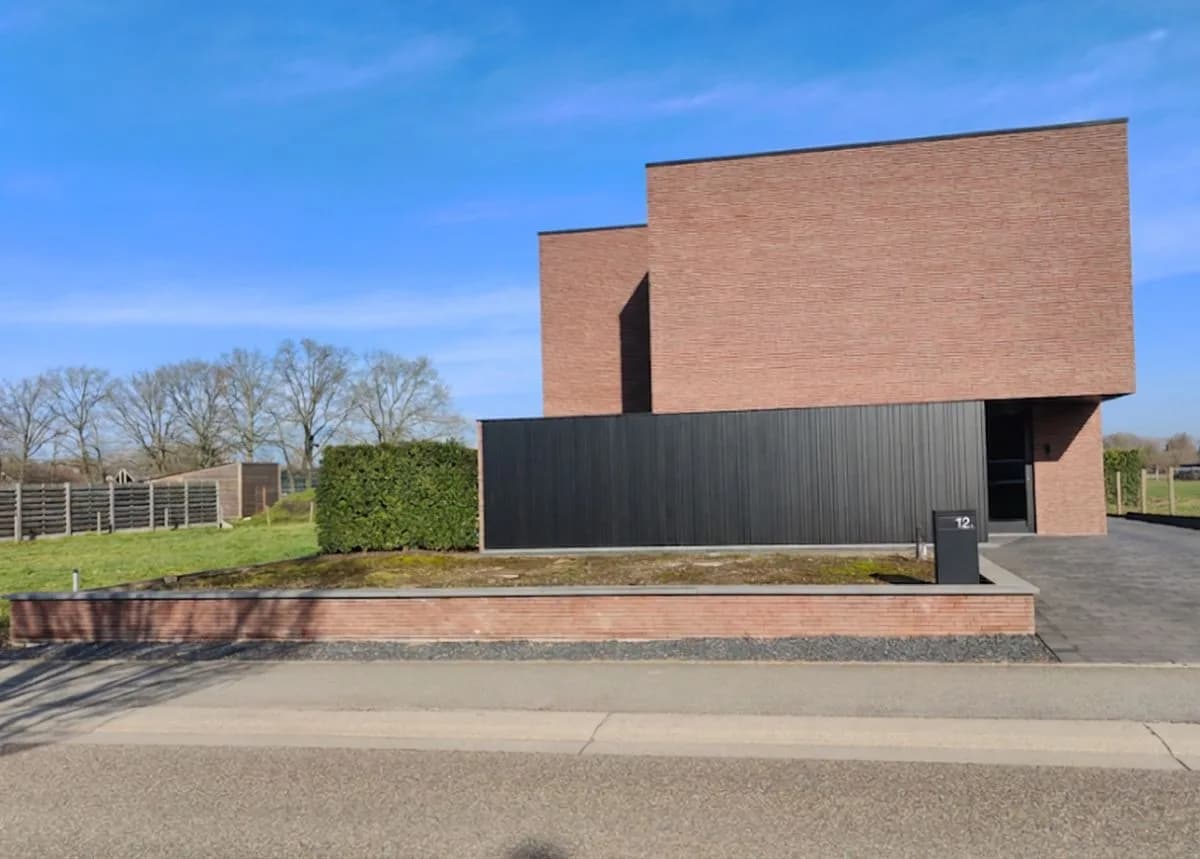
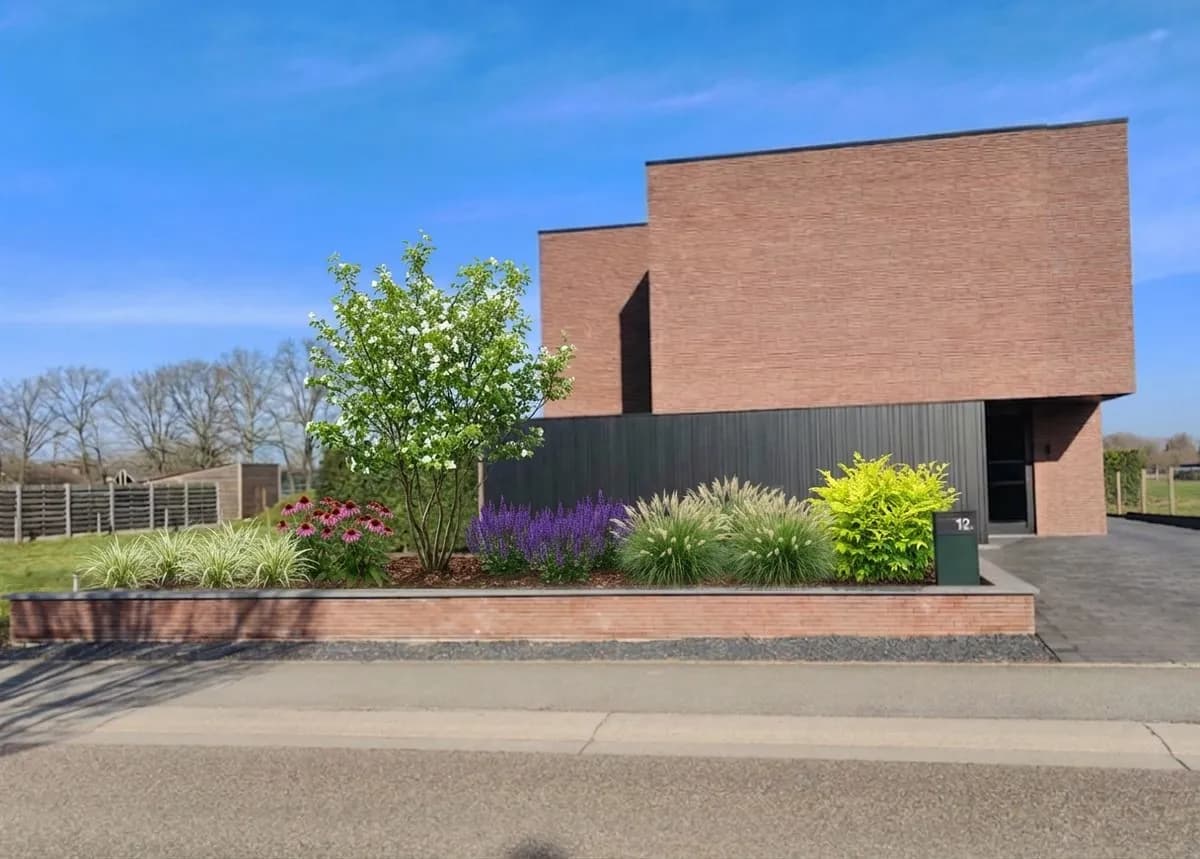
Want to see this in your garden?
Full design in HD: €7.99
The dilemma: birds love the same berries you do
Birds are essential in your garden. They eat caterpillars, aphids and mosquitoes. But when your cherries (Prunus avium), blackberries (Rubus fruticosus) or blueberries (Vaccinium corymbosum) ripen, they disappear fast. A single blackbird eats roughly 40 grams of berries per day in July. Three birds, three weeks, and your harvest is gone. Yet loose netting is dangerous. Birds tangle in it, break legs, wound their wings. Some die trapped.
The solution is not shooting birds or putting up dangerous nets. The solution lies in preventing, diverting and clever timing. Four methods work better than you think, and birds stay safe.
Fine mesh netting: pulled tight, no looseness
If you must use netting, do it properly. Netting wounds only if it hangs loose, where birds can poke their heads or catch their feet. Fine mesh netting (gauge under 6 millimeters) pulled TIGHT over shrub or tree, with no loose gaps, no wrinkles, works without casualties.
This netting must be stretched completely around the plant, from ground to top. No opening where birds can squeeze in. It works because birds cannot see through: they see only a barrier, not the tree. Certainly birds like thrushes and blackbirds stop trying.
Remove the netting once harvest is done. June to July suffices for early cherries. Late July, early August for blueberries. Never leave it on longer.
Cage: sturdy construction for small trees
For smaller fruit trees (up to 2 metres high) or in pots you can build a steel or plastic cage. This is not a fishing-net improvisation, but a durable structure of perhaps steel tubes or PVC supports covered with fine mesh.
The advantage: birds see the obstacle immediately, they stop attacking sooner. It is permanent and adds structure to your garden. A cage around a potted plant or dwarf fruit tree lasts years. Plan: roughly 1.5 metres high, width to your plant. Birds cannot get in, but you can easily reach in to harvest.
Reckon on a modest outlay for posts and mesh; building it yourself is cheaper than buying a finished cage.
Diversion: the most elegant approach
Birds eat berries because they are hungry or foraging for young. If you offer them other food, they ease their attacks on your berries. Two things work perfectly:
Berry plants for birds: Set up an extra cluster of berry bushes, not for you but for the birds. Gaultheria, white hawthorn (Crataegus), pink pepper berries (Schinus), skimmia red berries. Birds will focus there first. Place these shrubs visibly in your garden, not hidden. Birds eat first where they see berries best.
Bird food in breeding season: From April to June, when birds are feeding young, they need lots of protein-rich insects. So do NOT put out seed feeders (too many seeds), but set small bird baths with water. Water attracts insects: dragonflies, mosquitoes, small flies. Birds prefer feeding young with insects rather than your berries. This reduces their interest in your harvest by roughly 50 percent.
Early harvest: choosing the moment
Birds eat ripe berries. They recognise this by colour and because the berry skin is thinner. Ripe cherries are bright red, picked early are still pale pink and firm.
Harvest therefore one or two days BEFORE full ripeness. Your berries are roughly 95 percent as sweet, but birds will not bother. This works for cherries (sweet cherry, red, vulnerable to bird damage) and brambles (four weeks harvesting in July, not all at once).
For blueberries: harvest as soon as they are dark blue, not dark purple. They ripen in three to four weeks per plant. Pluck regularly, every two, three days. Birds focus on fully ripe berries; you prevent everything ripening at once.
With rowan berries and red currants, bird damage is less troublesome. These birds prefer softer berries. Red currants often stay untouched.
Free preview
Create your own garden design
Step by step
Step 1: Identify which bird species raids you
Blackbirds eat chiefly blueberries and cherries. Thrushes go for red currants. Starlings eat in colonies, stripping fast. Identify the bird first.
Step 2: Choose your defence method
- Tight netting: heavy bird pressure, small tree, patience for neat work.
- Cage: structural, long-term, smaller tree or pot.
- Diversion: many birds, large tree, you allow some loss.
- Early harvest: best for cherries and brambles, only works if you pick daily.
Step 3: Start in May
Do not wait until June when berries are visibly green. In May already fit netting or place diversion plants.
Step 4: Check daily if nets are used
Entanglement happens quickly. One hour can be the difference between bird unharmed and bird with broken wing.
Step 5: Harvest before full ripeness
Three to four days before what you think is peak ripeness. Berries ripen further in the bowl.
Frequently asked questions
Why do nets wound birds? Birds do not see fine netting well. They fly into it or try pushing through. Heads and feet catch. Nets with gaps are worse: birds squeeze their heads through, cannot get back.
Can I leave nets up after harvest? No. Only during harvest (two to four weeks). Then remove. Birds need insects and other food in August. Nets prevent them gathering that.
Does bird fright work? Birds become used to it. Mirrors, ribbons, plastic owls: after three to four days birds ignore this completely. Only noise (radio, bell) provides variety. But constant noise disturbs neighbours and yourself.
Can bird berry plants also be for me? Some. Skimmia red berries are inedible for humans. White hawthorn berries are very sour. Gaultheria berries are small but edible. Rowan berries are quite bitter. Plant them truly for birds, not hoping to eat them yourself.
The sensible moment
June is the month. You see berries change from green to colour. That is your moment. Not waiting, not hoping it sorts itself. Now act: pull netting tight, check diversion shrubs, or prepare for early harvesting. A small nest of four young blackbirds can easily strip your entire cherry or berry harvest within two weeks if you do nothing.
Not sure whether your berry shrub or cherry tree stands in the right, easy-to-reach spot? See that first in your own garden via gardenworld.app. Upload a photo of your garden, see where that berry shrub sits in relation to sun, shade and accessibility, and plan already where you will put the netting or cage next year.
Birds excel in their own garden
This article is about protecting, not exterminating. Birds are your best friends against insects and disease. They control aphid plagues from which caterpillars emerge. A bird eats over one thousand insects per week in breeding season. This outweighs twenty grams of berries.
June to August is sacrifice month: a few berries for birds, you harvest the rest. Balance. Not netting that wounds. Not cats that kill birds. Growing together in your garden.
See it in your own garden first
Upload a photo of your garden on gardenworld.app, view a free sample design with bird protection and berry planting; the sharp image with plant list costs 7.99 euros, once, no subscription.
Create your own garden design
Upload a photo, pick a style, and get a photorealistic design with plant list in under a minute.
Full design in HD: €7.99
Related articles
 Plant Combinations
Bird-friendly garden: plant combinations that attract birds
Turn your garden into a bird paradise with berry shrubs, nectar plants and sheltering hedges. Combos for food, nesting and water.
 Inspiration
Bird garden with natural hedge: life and bird songs
Create a bird-friendly front garden with natural hedge, food plants and nesting spots. Birds arrive, stay, breed.
 Planting
What if your soft fruit becomes bird food: netting strategy and alternatives
Birds eat your strawberry, raspberry and bramble before you can harvest. Discover mesh netting, scare techniques, and cultivars birds avoid.