
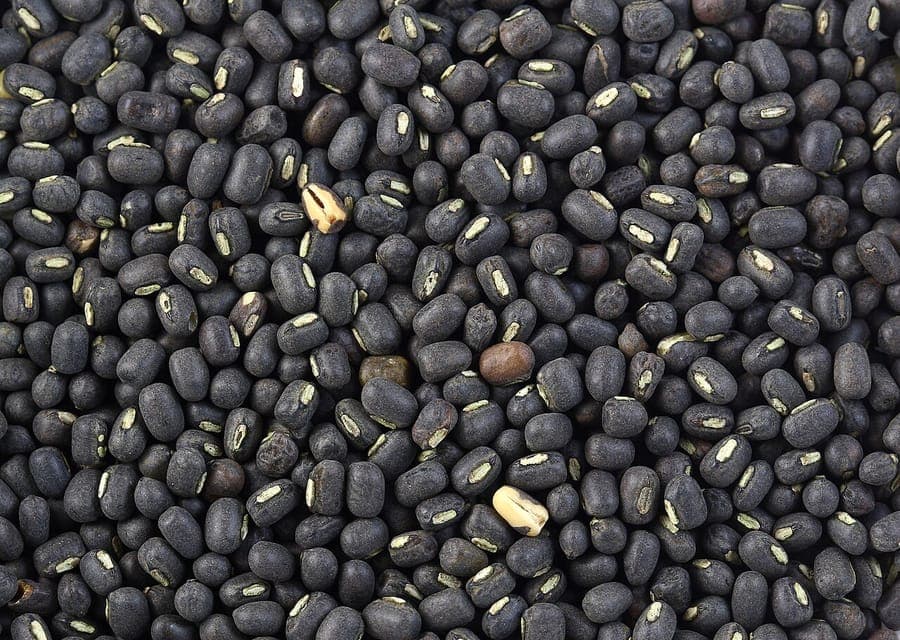
Sanjay Acharya / CC BY-SA 3.0, via Wikimedia Commons
Black gram: complete guide
Vigna mungo
Want to see Black gram: complete guide in your garden?
1 minute, no credit card
Overview
Black gram (Vigna mungo), also known as urad dal, urd bean or simply black lentil in some markets, is an annual legume native to the Indian subcontinent. It is thought to have been cultivated in India and Pakistan for at least 3,500 years, and today it is grown across South Asia, parts of East Africa and tropical regions worldwide. The small, dark-coloured seeds are a cornerstone of South Asian cooking, used in dishes ranging from dal makhani and sambar to idli and dosa batter. Nutritionally, black gram is exceptionally rich in plant protein, calcium, iron and B vitamins. On gardenworld.app you can find creative kitchen garden layouts that incorporate productive legumes like black gram alongside ornamental planting.
Appearance and bloom cycle
Black gram is an erect or semi-climbing annual herb growing 30 to 60 cm tall. The entire plant - stems, leaves and pods - is covered in fine, slightly rough hairs that give it a softly textured appearance. Leaves are trifoliate with broad ovate leaflets of mid-green colour. The flowers are small, typically yellow and have the classic butterfly shape of the Fabaceae family. They open from July into August and are pollinated primarily by small bees and bumblebees. After pollination, narrow, hairy pods of 4 to 7 cm develop. Each pod contains 4 to 10 seeds. Fully ripe seeds are glossy black or very dark purple with a white hilum stripe, although green and brown varieties also exist. The complete growing cycle from sowing to ripe beans takes 60 to 90 days depending on temperatures and the variety grown.
Ideal location
Black gram demands a warm, sunny position with at least 6 to 8 hours of direct sunlight daily. It thrives at temperatures between 25 and 35 degrees Celsius and has zero frost tolerance. In temperate northern European climates (USDA zones 8-9) outdoor cultivation is challenging but possible. Direct outdoor sowing should not begin until all frost risk has passed - typically after mid-May. A warm, sheltered corner next to a south-facing wall or fence extends the growing season appreciably. Indoor starting in March or April on a heated windowsill at 22 to 28 degrees Celsius significantly improves success rates in regions with shorter summers.
Soil
Black gram performs best in light, well-drained soil with a pH of 6.0 to 7.0. It tolerates moderate drought better than many other legumes but dislikes waterlogged conditions, which quickly cause root rot. Like all members of the Fabaceae family, it forms a partnership with nitrogen-fixing Rhizobium bacteria in root nodules, enriching the soil after the crop is cleared - making it a valuable rotation crop before brassicas and leafy vegetables. Additional nitrogen fertiliser is generally unnecessary and can promote excessive leafy growth at the expense of pod production. Improve heavy clay soils with well-rotted compost and coarse grit before sowing.
Watering
Black gram has moderate water requirements and is somewhat more drought-tolerant than adzuki bean or mung bean once established. Short periods of dryness can be withstood without major damage, but consistent moisture is still important for good pod yields, particularly during flowering and pod set. Water directly at the base of the plant to keep foliage dry and reduce fungal disease risk. During extended dry spells, water two to three times per week. Applying a mulch of straw or grass clippings around plants helps maintain soil moisture and keeps weeds suppressed. On gardenworld.app you will find efficient watering strategies for productive kitchen gardens in temperate climates.
Free design
Want to see Black gram: complete guide in your garden? Make a free design now.
Pruning
Black gram requires no conventional pruning as an annual herb. Upright bush varieties need no support, but semi-climbing types benefit from a simple pea netting or short support canes of 40 to 50 cm placed at sowing time. Pinching out the growing tip after four to five leaf nodes are formed encourages branching and increases overall pod production. Remove yellowed or diseased leaves promptly to improve airflow and limit spread of fungal issues. Harvest pods as they mature to encourage the plant to continue producing new pods. Leave the final pods to dry fully on the plant if you intend to save seeds for the following year.
Maintenance calendar
March-April: start indoors at 22-28 degrees Celsius, 1 seed per 9 cm pot. May (after 15th): plant outdoors or direct sow at final site, 3-4 cm deep, 15 cm between plants, 40 cm between rows. June: add support if needed; mulch and weed regularly. July: first flowers appear; water during dry spells; watch for spider mites. August: pods form; first harvest of green pods possible for fresh use. September: harvest dry beans on dry days; spread indoors to continue drying. October: collect final harvest; remove and compost all plant material.
Winter hardiness
Black gram is a fully frost-tender annual. Even a light frost will kill the plant immediately. In USDA zone 8 and colder, it can only be grown as a summer annual. Dried beans stored in an airtight container in a cool, dark and dry location will remain viable for germination and cooking for several years. No perennial or winter-hardy forms of this species exist. The relatively short growing cycle of 60 to 90 days makes black gram well-suited to shorter temperate summers, provided plants are started early enough indoors to take full advantage of the warm months.
Companion plants
As a nitrogen-fixing legume, black gram is a beneficial companion in a kitchen garden rotation. It pairs well with sweet corn, which doubles as a natural climbing support for semi-trailing stems. Cucumber, courgette and squash are good neighbours that benefit from the nitrogen enrichment left in the soil. Aromatic herbs such as coriander, dill and basil attract beneficial insects and add diversity. Avoid growing black gram next to garlic, onion or leek, as alliums can interfere with the root nodule bacteria essential to the nitrogen-fixing process. After harvest, leave the root system in the ground to release fixed nitrogen slowly into the soil.
Closing
Black gram is a rewarding legume with a rich culinary tradition and genuine potential in temperate kitchen gardens, given adequate warmth and sunshine. Seeds are available from specialist online suppliers and selected garden centres. Indoor starting in late March is strongly recommended in cooler climates to make the most of the summer season. Beyond its culinary value, black gram actively improves soil fertility through nitrogen fixation, leaving the plot in better condition for the following season's crops.
Want to see Black gram: complete guide in your garden? Make a free design now.
Upload a photo, pick a style, and get a photorealistic design with plant list in under a minute.
10,000+ gardens designed already
No credit card required


Similar plants
Adzuki bean: complete guide
Vigna angularis
Everything about growing adzuki beans: soil, watering, harvest tips and garden companions for this nutritious East Asian legume.
Vigna radiata: complete guide
Vigna radiata
Discover Mung Bean (Vigna radiata), a nutritious legume plant. Perfect for vegetable gardens and rural cultivation. Read our complete guide.
Common bean: complete guide
Phaseolus vulgaris
Learn how to grow common beans (Phaseolus vulgaris) in your vegetable garden. Varieties, sowing, harvesting and care for this nutritious crop.