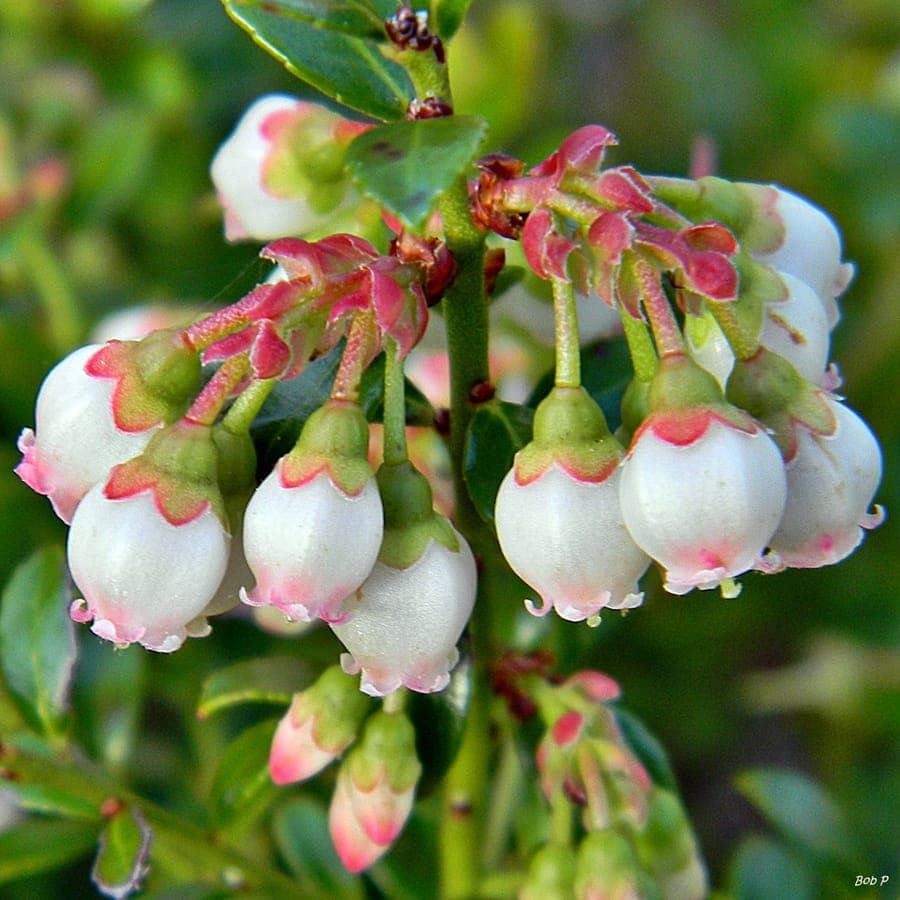
Bob Peterson from North Palm Beach, Florida, Planet Earth! / CC BY-SA 2.0, via Wikimedia Commons
Vaccinium myrsinites: complete guide
Vaccinium myrsinites
Want to see Vaccinium myrsinites: complete guide in your garden?
Full design in HD: €7.99
Look after your Vaccinium myrsinites with the GardenWorld app
Identify plants with your camera and get a care calendar with reminders for this plant.


Overview
Vaccinium myrsinites, commonly called Evergreen Blueberry or Shiny Blueberry, is a low-growing evergreen berry shrub from southern America. This unusual compact Vaccinium offers glossy foliage year-round, delicate white-pink flowers in late spring, and abundant small blue berries. Perfect for moisture-loving areas, marshes and low-growing ornamental plantings.
Appearance & Bloom
The shrub grows only 30-60 centimeters tall but spreads 60-90 centimeters wide, ideal as groundcover. Leaves are small, 1-2 centimeters, very glossy dark green, persistent year-round. Flowers are tiny, white to light pink, appearing April-May, followed by small blue berries July-September.
Ideal Location
Prefers full sun to half-shade on moisture-loving sites. Perfect for wetlands, marsh margins, wet meadow edges and marshy plantings. Group several plants for maximum effect as natural bird-feeding groundcover.
Soil
Grows optimally in acidic, moisture-retaining soils, pH 4-6. Add generous peat moss and compost for both acidity and moisture binding. Not suitable for dry, well-drained soils - requires moisture-retaining composition.
Watering
Water regularly as this plant is moisture-loving. Ensure soil stays moist but not waterlogged. During wet winters external drainage sometimes helps. Occasional foliage misting in dry months helps control spider mites.
Free preview
Want to see Vaccinium myrsinites: complete guide in your garden? Make a free preview of your design.
Pruning
Minimal pruning required. Remove only dead or diseased branches. Formative pruning unnecessary as natural growth is already prostrate. Allow the plant to assume natural spreading patterns.
Maintenance Calendar
Autumn: Plant September-October. Winter: Protect from extreme frost with leaf mulch. Spring: Feed for flowers in March. Summer: Ensure adequate moisture binding. Autumn: Allow birds to harvest berries; support winter retention.
Winter Hardiness
Hardy to approximately -10°C. Thrives in most Dutch climate zones, though extreme winters may cause minor damage.
Companion Plants
Perfect combinations with other moisture-loving plants like Ribes species, Sphagnum mosses, moisture-loving ferns and other Vaccinium species. Beautiful with low-growing grasses like Molinia and Carex varieties in wetland gardens.
Closing
Vaccinium myrsinites is a unique choice for moisture sites and low-growing installations. The combination of evergreen foliage, glossy leaves and bird-feeding makes this a valuable gem. Learn more about garden design at gardenworld.app and create your own marsh paradise. Discover much more at gardenworld.app!
Frequently asked questions about Vaccinium myrsinites
Is Vaccinium myrsinites winter hardy?
Hardy to approximately -10°C. Thrives in most Dutch climate zones, though extreme winters may cause minor damage.
When and how do you prune Vaccinium myrsinites?
Minimal pruning required. Remove only dead or diseased branches.
How much water does Vaccinium myrsinites need?
Water regularly as this plant is moisture-loving. Ensure soil stays moist but not waterlogged.
Where does Vaccinium myrsinites grow best?
Prefers full sun to half-shade on moisture-loving sites. Perfect for wetlands, marsh margins, wet meadow edges and marshy plantings.
What soil does Vaccinium myrsinites need?
Grows optimally in acidic, moisture-retaining soils, pH 4-6. Add generous peat moss and compost for both acidity and moisture binding.

See it in your garden
See Vaccinium myrsinites in your garden
One photo of your garden and a few questions. You see the result in about a minute.
Try it with a photoIdentify this plant in your own garden. Identify a plant
Similar plants
Redvein enkianthus (Enkianthus campanulatus): complete guide
Enkianthus campanulatus
Redvein enkianthus (Enkianthus campanulatus): shrub for acid soil with hanging cream bells in May and fiery autumn colour. Site, soil, pruning, hardiness and companions.
Darley Dale Heath: complete guide
Erica × darleyensis
Everything about Darley Dale heath (Erica × darleyensis): planting, position, soil, pruning and care. Months of winter flowers in pots and borders.
Prickly heath (Gaultheria mucronata): growing guide
Gaultheria mucronata
Prickly heath (Gaultheria mucronata, formerly Pernettya) carries white, pink or red berries from autumn to spring. Dioecious and toxic: how to grow it well.
