
Lemon Thyme: complete guide
Thymus × citriodorus
Want to see Lemon Thyme: complete guide in your garden?
1 minute, no credit card
Thymus × citriodorus, commonly called Lemon Thyme or Lemon-scented Thyme, is a hybrid thyme renowned for its distinctive lemon fragrance combined with ornamental qualities that enhance any garden. This plant likely originated in southwestern Europe as a natural cross between Thymus pulegioides and Thymus serpyllum during centuries of cultivation. Lemon Thyme is a low, spreading to semi-upright shrub with fine, linear green leaves that provide beautiful texture. The plant serves dual purposes as an ornamental garden specimen attracting pollinators and as a culinary herb for kitchen use. The leaves contain predominantly lemon-scented essential oils and are harvested fresh or dried for various applications from tea to cooking. This is an exceptionally robust, low-maintenance plant that lasts for years. Explore more herbs and garden design on gardenworld.app.
Appearance and Bloom Cycle
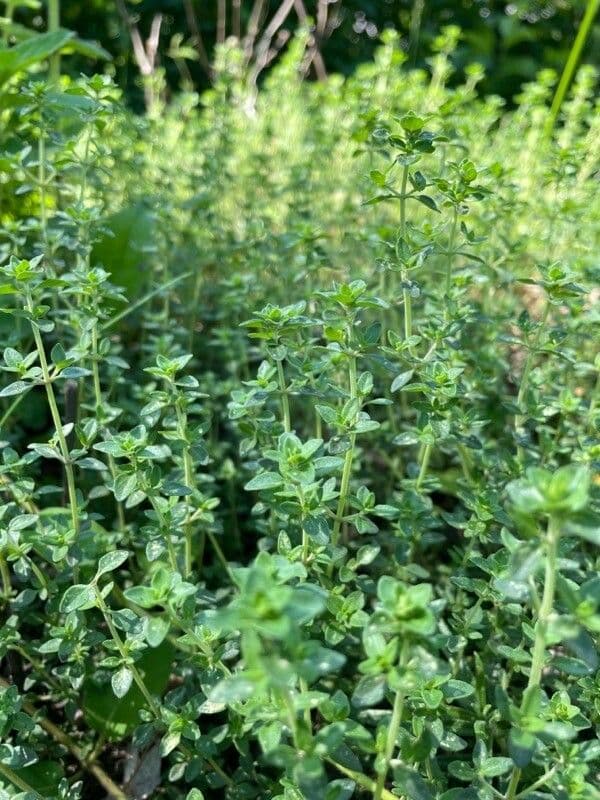
Lemon Thyme develops into a low, spreading to semi-upright shrub reaching 20 to 30 centimeters in height with a spread of 30 to 45 centimeters. The plant forms dense mats of fine branching that create attractive texture. The leaves are small, linear to lanceolate, approximately 0.5 to 1 centimeter long, with glossy bright to mid-green coloration. When bruised or handled, the foliage releases a strong, pleasantly lemon-like fragrance characteristic of this cultivar. The foliage remains green year-round in moderate climates.
Flowers emerge from June through August in short, dense clusters at branch tips. Individual florets are diminutive, approximately 0.5 centimeters, varying in color from pink-purple to violet. Some cultivars display nearly white or deep purple tones. The flowering period extends four to six weeks. The blooms prove highly attractive to bees, butterflies, and other pollinating insects that visit frequently for nectar. The plant is very productive with flowers.
Ideal Location
Lemon Thyme flourishes in very sunny locations receiving minimum eight hours direct sunlight daily. The plant also grows acceptably in partial shade, though flowering and fragrance improve significantly in full sun. Position lemon thyme in a warm, well-drained spot where water drains rapidly. Ensure good air circulation. This plant is highly wind-tolerant, making it suitable for exposed locations.
Soil Requirements
Lemon Thyme develops optimally in well-draining, dry to moderately moist soil. The plant demonstrates exceptional drought tolerance and adaptability. A pH between 6.0 and 7.5 is ideal, though it grows acceptably in slightly acidic soils. Poor, sandy soils are actually preferred by this plant. Avoid heavy clay and constantly waterlogged conditions. For container cultivation, blend standard potting soil with additional sand in equal proportions.
Watering
Water Lemon Thyme thoroughly at planting. Thereafter, drastically reduce watering since this plant demonstrates extreme drought tolerance. Once fully established (after two to three weeks), nearly eliminate supplemental watering. Ensure water drains thoroughly. Excessive moisture causes problems, particularly during winter months. No fertilization is necessary.
Pruning
Lemon Thyme requires minimal pruning. Following bloom, lightly trim the plant to encourage compactness and stimulate new growth. In early spring, remove any dead branches. For culinary harvest, regularly pinch growing tips, which promotes fuller branching. Avoid aggressive pruning that damages the plant.
Maintenance Calendar
APRIL: Remove dead wood. Inspect for damaged plants. MAY-JUNE: Active growth. Begin regular tip harvesting for culinary use. JUNE-AUGUST: Abundant flowering. Support pollinator populations. SEPTEMBER-OCTOBER: Reduce watering. NOVEMBER-MARCH: Minimal care. Plant is frost-hardy.
Free design
Want to see Lemon Thyme: complete guide in your garden? Make a free design now.
Winter Hardiness
Lemon Thyme is winter-hardy, suitable for USDA zones 5 through 9, surviving temperatures down to -15 to -20 degrees Celsius. The plant is fully frost-hardy though extremely severe winters with very low temperatures may cause issues. In regions with extreme cold, the plant benefits from snow cover.
Companion Plants
Lemon Thyme combines beautifully with blue lavender, pink hardy geraniums, and silver-gray artemisia. Other thyme species and culinary herbs create attractive combinations. For visual interest, plant different colored thyme cultivars together. Low-growing plantings such as creeping stonecrop provide nice contrast. Avoid vigorous competitors sharing the root zone.
Culinary Uses
Lemon Thyme leaves enhance teas with a refreshing lemon flavor when used fresh or dried. They work wonderfully in fish marinades, sauces, and table decoration. The flowers are also edible and add color to dishes.
Propagation
Lemon Thyme propagates easily through cuttings or division. Take semi-ripe cuttings approximately 8 to 10 centimeters long from non-flowering shoots during May-June. Remove the lowest leaves and insert cuttings into a mix of perlite and seed compost in equal parts. Keep cuttings moist but never waterlogged, positioned in bright but not scorching light. Rooting typically takes three to five weeks at temperatures of 18 to 20 degrees Celsius.
Division also works well for older, woody plants in spring. Carefully lift the plant and divide the root clump into sections with adequate roots attached. Replant immediately at the desired location and keep consistently moist for the first few weeks.
Pests and Diseases
Lemon Thyme is generally very healthy and resistant to most pests. Excessive moisture can cause root rot, recognizable by wilting, browning stems. Improve drainage immediately and remove affected sections.
Spider mites occasionally colonize during hot, dry spells, recognizable by fine webbing and discolored foliage. Increase humidity around the plant and rinse leaves with water for mild infestations. Aphids rarely appear but can be easily rinsed off with a water jet.
Gray mold can develop in overly dense plantings lacking adequate air circulation. Ensure at least 30 centimeters spacing between plants and avoid watering directly onto foliage.
Popular Cultivars
Beyond the standard species form, several attractive lemon thyme cultivars are available. 'Aureus' features golden-yellow leaves that develop bronze tones in winter and is widely stocked at garden centers. 'Silver Queen' displays silvery-white leaf margins for extra border contrast. 'Doone Valley' is a low-growing, gold-variegated cultivar excellent as a groundcover between stepping stones. These cultivars combine the same lemon fragrance with additional decorative foliage color, making them valuable additions to herb gardens designed through gardenworld.app.
Buying and Planting Advice
Lemon Thyme is widely available at garden centers and specialist herb nurseries. When purchasing, choose a compact plant with firm, non-woody stems and healthy, fragrant foliage. Plant preferably in spring, spacing 25 to 30 centimeters apart for dense, cohesive ground coverage. Work a handful of coarse sand into the planting hole for extra drainage and improved winter resilience.
Closing
Lemon Thyme is an exceptionally versatile plant suitable for both garden and kitchen use. With its distinctive lemon-scented fragrance and attractive blooms, this plant offers considerable garden appeal. The plant proves extremely low-maintenance and demands minimal feeding or special care. These attractive plants are available at quality garden centers. Explore additional plant combinations and comprehensive garden design inspiration on gardenworld.app.
Want to see Lemon Thyme: complete guide in your garden? Make a free design now.
Upload a photo, pick a style, and get a photorealistic design with plant list in under a minute.
10,000+ gardens designed already
No credit card required


Similar plants
Apple mint (Mentha x villosa): complete guide
Mentha x villosa
Meet apple mint (Mentha x villosa): a fruity-scented kitchen herb with woolly leaves, perfect for tea and mojitos.
Salvia peyronii: complete guide
Salvia peyronii
Discover Salvia peyronii, a rare Lebanese mountain sage. Growing tips, hardiness, and companion planting for a Mediterranean gravel garden.
Bigleaf mint (Mentha x rotundifolia): complete guide
Mentha x rotundifolia
Discover bigleaf mint: cultivation, care tips, and garden uses. Learn how to grow this aromatic herb with soft, hairy leaves.