
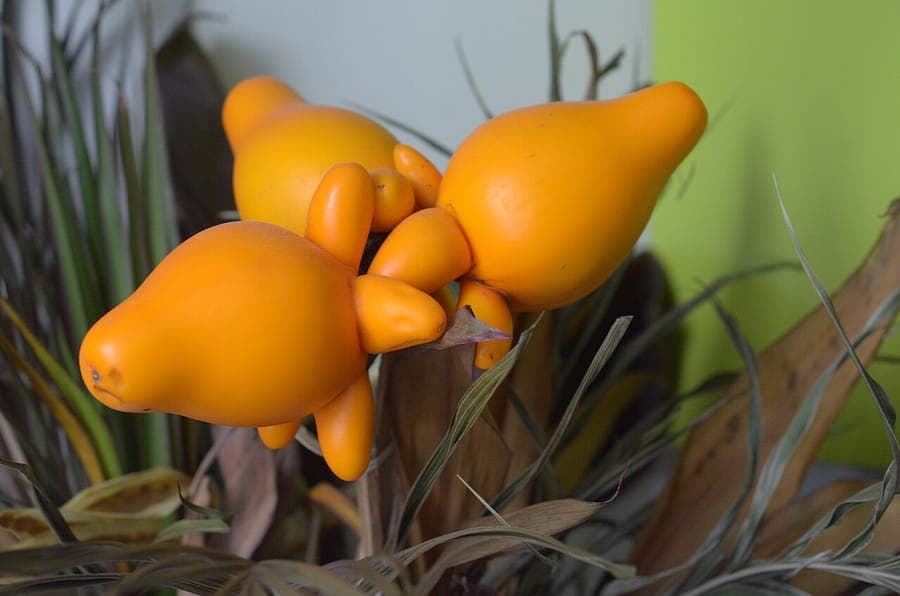
Andrey Butko / CC BY-SA 3.0, via Wikimedia Commons
Solanum mammosum: complete guide
Solanum mammosum
Want to see Solanum mammosum: complete guide in your garden?
Full design in HD: €7.99
Overview
Solanum mammosum, commonly called nipple fruit, macaw bush, or apple of Sodom, is a distinctive tropical plant from the Solanaceae family. Native to Central and South America, this species is prized primarily for its unusual, nipple-shaped fruits that mature to bright yellow or orange. The plant serves as a curiosity piece and decorative houseplant in temperate regions, thriving in greenhouses, conservatories, or warm patios.
In cooler climates like the Netherlands, Solanum mammosum is primarily grown as an indoor plant or in protected growing spaces. With proper attention to temperature, light, and moisture, this tropical specimen will reward you with continuous growth, flowers, and its remarkable fruits year-round.
Appearance and bloom cycle
Solanum mammosum develops into a spreading shrub or small tree reaching 60 to 150 centimeters tall. The leaves are elongated and slightly gray-green with a soft texture characteristic of many Solanum species.
White or pale yellow flowers appear in clusters during the growing season, attracting pollinators and providing visual interest before the main attraction. After pollination, distinctive nipple-shaped berries develop, becoming bright yellow or orange as they mature. These fruits reach up to 5 centimeters in length and are not edible, despite their appealing appearance.
The plant reaches its full ornamental potential when heavily laden with ripe fruits, creating a striking display that lasts several months.
Ideal location
Select a bright, sunny location with minimum 6 to 8 hours of direct sunlight daily. South-facing windowsills are ideal in northern climates. The plant thrives in warmth and strong light, crucial for both flowering and fruiting.
Indoors, maintain good air circulation without cold drafts. Solanum mammosum is sensitive to temperature fluctuations and cold, making protected locations essential during winter months. While grow lights can supplement insufficient natural light, direct sunlight remains optimal for fruit development.
For garden design ideas combining tropical plants, visit gardenworld.app. At gardenworld.app, discover how to integrate exotic specimens into interior plant schemes.
Soil requirements
Use a nutrient-rich, well-draining potting mix combining 50% quality potting soil, 40% coco fiber or peat moss, and 10% perlite or sand. This blend ensures adequate moisture retention while preventing waterlogging and root rot.
The plant prefers slightly acidic to neutral soil with pH between 6.0 and 7.0. Ensure pots have adequate drainage holes, as waterlogged roots quickly deteriorate. Refresh the top 5 centimeters of potting mix annually to prevent salt accumulation and maintain nutrient levels.
Free preview
Want to see Solanum mammosum: complete guide in your garden? Make a free preview of your design.
Watering
During the growing season (April through October), water regularly when the top centimeter of soil feels dry. The plant prefers consistently moist but never waterlogged conditions. Reduce watering significantly during winter dormancy.
Test soil moisture by inserting your finger 2 centimeters into the medium. Water thoroughly until it drains from holes, but never leave standing water in saucers. In low-humidity environments (centrally heated homes), mist foliage regularly with tepid water to increase moisture and prevent spider mites.
Overwatering causes more problems than underwatering with this species.
Pruning
Solanum mammosum responds well to pruning and branches readily from cut points. After winter, prune back to approximately one-third of the original height to encourage compact, bushy growth and maximize flowering sites.
Remove dead, diseased, or crossing branches throughout the year. Cut just above a leaf node or side bud. Prune wounds heal rapidly in warm, humid conditions. An annual cleanup after the fruiting season stimulates vigorous new growth for the next cycle.
Maintenance calendar
March-April: Begin growing season, increase watering, start monthly feeding.
May-June: Monitor new shoots, water 2-3 times weekly, inspect for pests.
July-August: Peak growth and blooming, maintain high watering frequency, weekly pest checks.
September: Reduce feeding, gradually decrease watering.
October-February: Winter dormancy with minimal water, no feeding, ideal temperature 10-15 degrees Celsius.
Winter hardiness
Solanum mammosum cannot survive frost and is killed by freezing temperatures. It thrives only in USDA zones 10-11 with frost-free periods. In northern climates, bring plants indoors before October and maintain them in cool conditions (10-15 degrees Celsius) for dormancy.
Exposure to frost below 5 degrees Celsius is fatal. Protect from cold window drafts and heating vent heat fluctuations. In regions with year-round warmth, the plant can remain outdoors indefinitely.
Companion plants
Solanum mammosum combines successfully with other tropical specimens:
- Bougainvillea (color contrast)
- Passiflora (similar water needs)
- Columnea (trailing habit, colorful blooms)
- Mandevilla (elegant flowers)
Avoid vigorous growers that would overshadow or compete with your Solanum mammosum.
Closing thoughts
Solanum mammosum offers plant collectors an unusual and rewarding tropical specimen. Its distinctive fruits provide conversation-starting decor, while the plant's willingness to flower and fruit regularly makes it worth the modest care requirements.
When acquiring your plant, purchase from reputable nurseries familiar with tropical species. With years of dedicated care maintaining proper temperature, light, and moisture, your Solanum mammosum will become a centerpiece of your plant collection.

See it in your garden
See Solanum mammosum in your garden
One photo of your garden and a few questions. You see the result in about a minute.
Try it with a photoIdentify this plant in your own garden. Identify a plant
Similar plants
Solanum dolichosepalum: complete guide
Solanum dolichosepalum
Discover Solanum dolichosepalum, an Andean nightshade with striking long sepals. Growing tips, hardiness, and companion planting for your patio.
Solanum ripense: complete guide
Solanum ripense
Discover Solanum ripense, a moisture-loving Andean nightshade for pond edges and conservatories. Growing tips, hardiness, and companions.
Solanum tomentosum: complete guide
Solanum tomentosum
Discover Solanum tomentosum, a thorny South African nightshade with felted leaves. Growing tips, hardiness, and companion planting ideas.


