
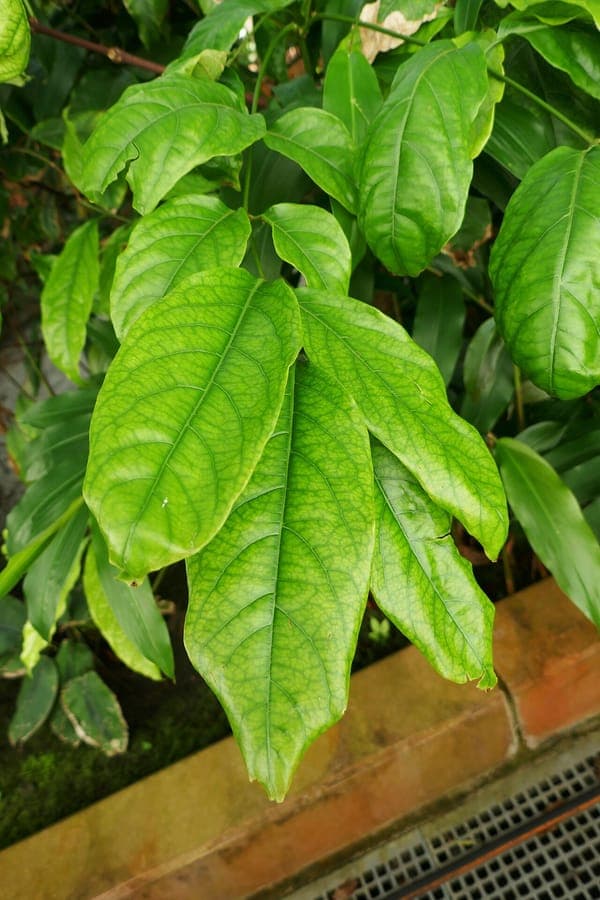
Ji-Elle / CC BY-SA 4.0, via Wikimedia Commons
African Serpentwood: complete guide
Rauvolfia vomitoria
Want to see African Serpentwood: complete guide in your garden?
1 minute, no credit card
Overview
African Serpentwood (Rauvolfia vomitoria) is an impressive tropical tree native to West Africa and Tanzania. This member of the Apocynaceae family is renowned for its medicinal value and striking appearance. With its glossy foliage and vigorous growth, it is an excellent addition to warm garden environments via gardenworld.app.
Appearance and Growth
Rauvolfia vomitoria grows as a medium-sized tree to shrub with a compact, regular form. The plant features glossy, dark green leaves that are distinctive for their smooth texture. The leaves are lance-shaped to elliptical and grow in opposite pairs. In its natural habitat, the plant blooms with small, fragrant flowers followed by characteristic red berries. The plant grows at a moderate pace under optimal conditions.
Ideal Location
This tropical tree thrives best in warm, sheltered positions with abundant light. In cooler climates, it is better suited to greenhouse or conservatory cultivation. The plant loves warmth and performs well in zones 10-12. In warmer gardens, you can place it in partially bright locations, though full sunlight promotes the best growth and form.
Soil
Rauvolfia vomitoria prefers nutrient-rich, well-draining soil. A mixture of garden soil, compost, and sand works excellently. The plant is not particularly demanding regarding pH but prefers slightly acidic to neutral conditions. For container cultivation, use a multi-purpose potting soil with additional organic material added for water retention.
Watering
During the growing season, water regularly to keep the soil moist. In winter, you can reduce watering, but do not let the soil dry out completely. The plant enjoys moderate humidity. In dry climates, mist regularly to keep the foliage clean. Ensure good drainage to prevent root rot.
Free design
Want to see African Serpentwood: complete guide in your garden? Make a free design now.
Pruning and Maintenance
The African Serpentwood requires minimal maintenance. Prune the plant in spring to maintain a compact form. Remove dead or damaged branches as you notice them. Apply light fertilizer each spring with a general-purpose formula. Regularly check for scale insects and spider mites, especially on container plants.
Maintenance Calendar
In spring is the time for pruning and fertilizing. From April to September, the plant grows actively. During this period, check regularly for watering needs. In October and November, growth slows. In winter, the plant rests somewhat, so minimal watering is needed. Throughout the year, remain alert to pest management.
Winter Hardiness
The African Serpentwood is frost-sensitive. In zones below 10, it must be moved indoors for winter. Ensure the minimum temperature does not drop below 10 degrees Celsius. It is better to treat this plant as an annual container plant in temperate climates. In subtropical zones (9-10), it can stay outdoors if you provide protection against extreme cold.
Companion Plants
The African Serpentwood is part of exotic garden schemes. You can successfully combine it with other tropical plants such as Ficus species, Dracaena, and other heat-loving foliage plants. Ensure all companions have similar warmth and humidity requirements.
Conclusion
The African Serpentwood is a spectacular tropical tree for warm climates and greenhouse gardens. With regular moisture and light maintenance, it grows excellently. This plant brings exotic medicinal charm to your garden. Order today via gardenworld.app and bring tropical beauty to your home!
Want to transform your front garden with exotic tropical plants? Explore our collection on gardenworld.app and find more heat-loving species. Our garden designers help you create the perfect tropical oasis!
Want to see African Serpentwood: complete guide in your garden? Make a free design now.
Upload a photo, pick a style, and get a photorealistic design with plant list in under a minute.
10,000+ gardens designed already
No credit card required


Similar plants
Asclepias speciosa: complete guide
Asclepias speciosa
Showy milkweed: striking pink-white flowers, fragrant blooms. Essential monarch butterfly host plant.
Plumeria obtusa: complete guide
Plumeria obtusa
Discover the Singapore graveyard flower: an exotic evergreen with mesmerizing white blooms and exquisite fragrance. Expert cultivation, care, and maintenance tips.
Wrightia arborea: complete guide
Wrightia arborea
Wrightia arborea, known as doodhi, is an elegant tree from South Asia with delicate white flowers. Discover how to cultivate this exotic plant.