
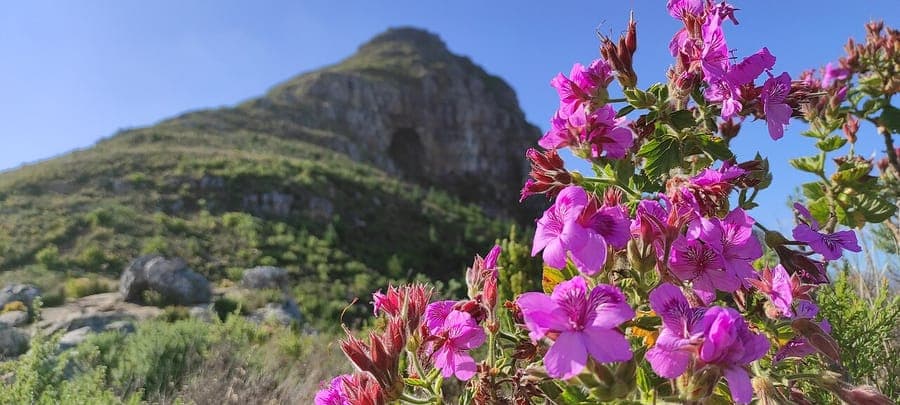
AJ Higgs / CC BY 4.0, via Wikimedia Commons
Pelargonium cucullatum: complete guide to hooded-leaf geranium
Pelargonium cucullatum
Want to see Pelargonium cucullatum: complete guide to hooded-leaf geranium in your garden?
1 minute, no credit card
Overview
Pelargonium cucullatum, commonly known as hooded-leaf geranium or tree pelargonium, is a stunning succulent shrub native to the Western Cape Province of South Africa. This elegant plant distinguishes itself through distinctive hooded (cucullatum) leaves and delicate purple to pink flowers arranged in dense clusters. Unlike many other geranium species, P. cucullatum thrives in Mediterranean climates and serves as an excellent choice for gardens seeking a tropical or African aesthetic.
The plant typically reaches heights between 60 and 120 centimeters and grows as a compact shrub. The unique leaf structure and attractive flowers make it a favorite among enthusiasts of unusual garden plants. With proper care, this plant can bloom reliably for many years, transforming a front garden into a botanical gem.
Appearance and Bloom
The most characteristic feature of Pelargonium cucullatum is undoubtedly its hooded leaves. These leaves display a distinctive hollow or curved structure that gives the plant its scientific name. The foliage is glossy, typically green, and may develop a grayish bloom, especially in younger growth stages.
Flowers appear typically from July through October, presenting themselves in dense umbels. Individual flowers measure approximately 1 to 1.5 centimeters in diameter with five petals. Colors range from soft lilac, purple to deep magenta, sometimes with darker veins on the upper petal. The blooms attract numerous insects and give the plant a romantic, almost fantastical appearance.
The plant grows on semi-woody stems that become lighter in color over time. The overall silhouette remains graceful and delicate, making it a true eye-catcher in any garden.
Ideal Location
Pelargonium cucullatum performs best in locations receiving full sun. A minimum of six to eight hours of direct sunlight daily is ideal for optimal growth and flowering. The plant can tolerate partial shade but will produce fewer blooms and more foliage in such conditions.
Use this plant for:
- Sunny borders and flower bed edges
- Container plantings on terraces or balconies
- Mediterranean garden designs
- Dry, sunny corners that are difficult to fill
- Container gardens alongside pathways
Ensure the plant receives good air circulation and is not exposed to strong winds, as this can lead to desiccation and leaf damage.
Soil Requirements
This South African species is well-adapted to dry, well-draining soils. Heavy clay soil is unsuitable; instead, the plant prefers:
- Sandy, well-draining soil
- Slightly acidic to neutral pH (6.0 to 7.0)
- Soil with excellent water drainage (no waterlogged conditions)
- Mineral-poor to moderately nutrient-rich soil
Amend planting soil with sand or perlite to improve drainage. Avoid heavy, compacted soils where water accumulates. The plant will quickly rot in overly wet conditions.
Free design
Want to see Pelargonium cucullatum: complete guide to hooded-leaf geranium in your garden? Make a free design now.
Watering
Watering is critical for Pelargonium cucullatum. As a South African plant, it is highly drought-tolerant and prefers moderately moist soil:
- Water less frequently but thoroughly: wait until the top 2-3 centimeters of soil feel dry before watering again
- During the growing period (May to October), water approximately once weekly
- In winter months (November to April), water much less frequently, only once every two to three weeks
- Avoid wetting foliage; always water at the plant's base
- Ensure excellent drainage in containers with bottom drainage holes
Excessive water is the most common cause of plant failure. This species tolerates drought far better than moisture.
Pruning
Pruning helps keep the plant compact and full while encouraging abundant flowering:
- After blooming (October-November), cut the plant back to approximately two-thirds its original height
- Remove dead, damaged, or diseased stems whenever observed
- Pinch out the tips of young plants to encourage branching
- Deadhead spent flowers to stimulate new bloom production
Be cautious with pruning during the growing season; excessive cutting can reduce flowering.
Maintenance Calendar
May to October: Growth and blooming period. Water regularly, apply fertilizer every two weeks, check for pests.
November to April: Dormant period. Drastically reduce watering, cease fertilizing, perform pruning for shape if needed.
January-February: Potential fall pruning cycle for form adjustment.
Winter Hardiness
Pelargonium cucullatum lacks substantial frost tolerance and can only overwinter outdoors in mild Mediterranean climates. In areas with frost, the plant must:
- Grow in containers that can be brought indoors
- Be cultivated as an annual plant, or
- Be protected with fleece or blankets in mild winters
The plant survives temperatures around 5 to 10 degrees Celsius but not significantly colder. For best results in cold climates: grow in containers that can be moved indoors during winter.
Companion Plants
Pelargonium cucullatum combines well with:
- Lavender (Lavandula angustifolia)
- Rosemary (Rosmarinus officinalis)
- Silver-leaved plants (Senecio cinerea)
- Dwarf Agapanthus varieties
- Ornamental grasses
- Other African geraniums (Pelargonium species)
Final Thoughts
Pelargonium cucullatum is a special plant requiring minimal maintenance while delivering reliable blooms for years. With its unique foliage and attractive flowers, it's the perfect addition to Mediterranean gardens, dry borders, and container plantings. It's available at many garden centers. For your garden design needs, visit gardenworld.app for personalized garden designs that perfectly match your vision and climate.
Looking to create an African-inspired front garden? Visit gardenworld.app for personalized garden designs perfectly suited to your wishes and climate.
Want to see Pelargonium cucullatum: complete guide to hooded-leaf geranium in your garden? Make a free design now.
Upload a photo, pick a style, and get a photorealistic design with plant list in under a minute.
10,000+ gardens designed already
No credit card required


Similar plants
Pelargonium triste: complete guide to night-scent geranium
Pelargonium triste
Discover the enchanting Pelargonium triste, a South African geranium with intense nocturnal fragrance and elegant brown-purple flowers perfect for evening enjoyment.
Phlox carolina: complete guide to thick-leaf phlox
Phlox carolina
Discover Phlox carolina, a North American perennial with thick glossy leaves and fragrant pink flowers perfect for borders and native gardens.