
Lupinus kuschei: complete guide to Yukon's alpine lupine
Lupinus kuschei
Want to see Lupinus kuschei: complete guide to Yukon's alpine lupine in your garden?
1 minute, no credit card
Overview
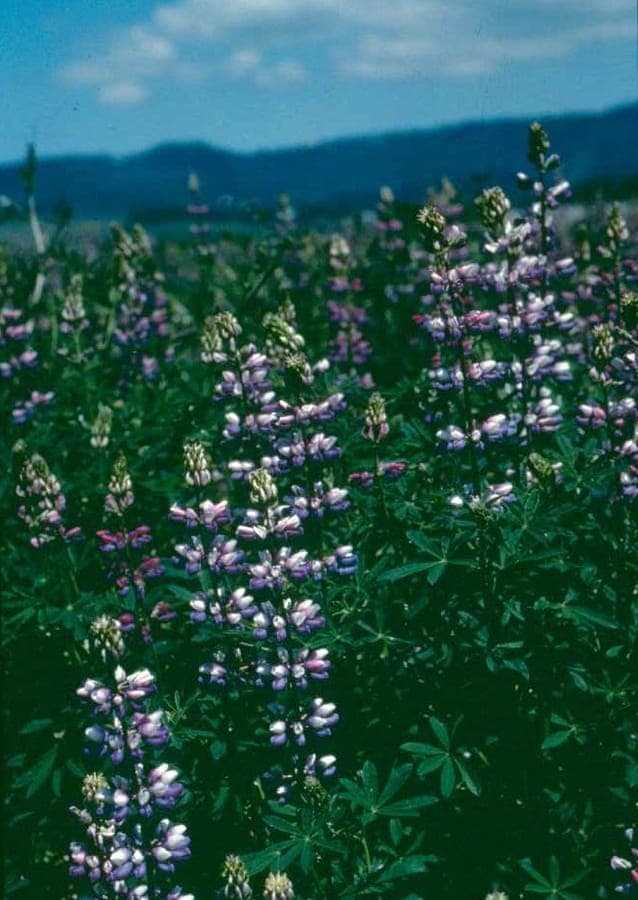
Lupinus kuschei, commonly called Yukon lupine or Kusche's lupine, is a stunning wild perennial native to the boreal forests of Yukon and northern British Columbia. This hardy, fast-growing plant brings authentic northern charm to contemporary gardens, attracting bees, butterflies, and other pollinators with its distinctive violet-blue flower spikes. Unlike many hybrid lupines, this species thrives in cold climates with short growing seasons and tolerates poor soils exceptionally well. On gardenworld.app, you will discover comprehensive guides covering all lupine varieties, cultivation secrets, and design pairings.
Lupinus kuschei stands apart for its robust constitution, rapid establishment, and minimal maintenance demands. It is extremely cold-hardy and far more reliable than tender hybrids in challenging climates. The plant thrives on neutral to alkaline soils and recovers quickly from drought stress once established, making it ideal for naturalistic gardens and northern exposures.
Appearance and Bloom
Yukon lupine reaches 60 to 90 centimeters tall and develops multiple sturdy stems creating dense, full-bodied plants. The fine, grey-green pinnate foliage remains ornamental year-round, providing textural interest even after flowering finishes. Flower spikes are densely packed, statuesque, and can reach 25 to 30 centimeters in length. Blooms range from violet-blue to deep purple, often with subtle white or pale yellow accents in the flower throat. Peak bloom occurs from May through July, depending on local climate and soil moisture.
Following bloom, distinctive seed pods develop, providing visual interest and food for birds and small mammals. The dried foliage turns bronze-gold in autumn and persists throughout winter, adding structure to the garden dormancy.
Ideal Location
Lupinus kuschei performs best in full sun, requiring a minimum of 6 hours of direct sunlight daily. In partial shade, growth slows and flowering diminishes. In extremely hot climates, afternoon shade in mid-summer is appreciated, though this lupine genuinely prefers cool conditions. The plant excels in well-ventilated locations and tolerates stronger winds than many garden perennials.
This species is poorly suited to dense, humid microclimates where air stagnation promotes fungal disease. Avoid sheltered forest edges and moist, shaded depressions.
Soil
Lupinus kuschei demands excellent drainage above all else. It thrives on well-draining, neutral to slightly alkaline soil with a pH between 7.0 and 7.5. Heavy clay soils must be amended generously with coarse sand, grit, or pea gravel to ensure rapid drainage.
When planting, incorporate moderate compost but avoid fresh manure, which encourages lush, weak growth and nitrogen excess. Lupines are nitrogen-fixing legumes and require minimal fertilizer once established. Poor, gravelly, or sandy soils are often ideal.
Watering
After establishment, Lupinus kuschei needs only occasional watering. Mature plants tolerate drought remarkably well, particularly on freely draining soils. Water during severe dry spells, especially when plants are young. Overwatering is the chief killer: allow the root zone to dry moderately between waterings.
Avoid overhead irrigation, as wet foliage invites mildew and other fungal issues. Water early in the morning at the base of the plant.
Pruning and Shaping
Lupinus kuschei requires minimal pruning. Deadhead spent flower spikes immediately after bloom to prevent prolific self-seeding and maintain a neater appearance. In spring, remove dead wood and damaged stems down to ground level.
The plant naturally forms a compact, upright habit and needs no structural training or annual shortening unless specific forms are desired. Avoid heavy summer pruning.
Free design
Want to see Lupinus kuschei: complete guide to Yukon's alpine lupine in your garden? Make a free design now.
Maintenance Calendar
March-April: Remove dead foliage from the previous season. Work in light compost around the base. May-June: Water during dry spells. Monitor for pests (rarely an issue). Enjoy prolific blooms. July-August: Deadhead flower spikes. Allow a few to mature for seed collection. September-October: Sow fresh seeds directly or store them cool and dry for spring sowing. November-February: Plant is completely dormant and needs no care. Extremely cold-hardy.
Winter Hardiness
Yukon lupine is exceptionally hardy, tolerating temperatures to -30 degrees Celsius without damage. This makes it ideal for cold regions across Europe, especially high-altitude gardens and northern zones. No winter protection is necessary.
The plant thrives in regions with short growing seasons, establishing quickly and flowering in spring relative to winter dormancy length.
Companion Plants
Lupinus kuschei pairs beautifully with other pollinator-friendly wildflowers. Consider Echinacea, Rudbeckia, Veronica, Catananche, low sedums, and Alchemilla mollis. The grey-green foliage contrasts strikingly with dark-leaved Salvia, Nepeta, and Artemisia species.
Plant in groups of three to five for maximum visual impact and to create a sense of naturalistic profusion.
Propagation
Lupinus kuschei is most easily propagated from seed. The hard seed coat benefits from scarification: nick it lightly with sandpaper or soak seeds in lukewarm water for 24 hours before sowing. Sow indoors in March or April in seed trays, or direct-sow outdoors in May once soil temperatures exceed 10 degrees Celsius. Germination takes 2 to 4 weeks at 15 to 18 degrees Celsius.
Because Lupinus kuschei develops a deep taproot, mature plants resent division and rarely survive the process. Root cuttings occasionally succeed on young plants in early spring: take a 5-centimeter taproot section with a growth bud and lay it horizontally in moist, sandy soil. Basal cuttings of 8 to 10 centimeters, taken from young spring shoots, also root reasonably well in a perlite and potting mix blend.
Self-sown seedlings from established garden plants are often the most vigorous, since they adapt immediately to local soil conditions and skip the transplant shock that nursery stock sometimes suffers.
Pests and Diseases
Lupinus kuschei is generally trouble-free, but a few issues deserve attention. The lupine aphid (Macrosiphum albifrons) is the primary culprit: this large, waxy, grey-green aphid can coat entire stems within days and significantly weaken plants. Control with a strong water spray or insecticidal soap, checking weekly starting in May.
Slugs and snails devour young seedlings in early spring; protect fresh plantings with slug pellets or a physical barrier of crushed eggshells or copper tape. Persistent humidity and poor air circulation can trigger powdery mildew, recognizable by a white powdery coating on leaves; space plants generously to maintain airflow and prevent this.
Root rot, caused by Phytophthora species, is the most serious threat and almost always results from wet, poorly draining soil. Prevention is the only real remedy: ensure excellent drainage from the outset, and avoid heavy clay without amendment.
Final Thoughts
Lupinus kuschei is a hardy, low-maintenance alternative to fussy hybrid lupines, excelling in cold climates and poor soils while providing essential pollen and nectar for local pollinators. Seeds and young plants are available from quality suppliers and garden centres.
Looking to design a northern or alpine-style garden? Visit gardenworld.app for complete guides on all lupine species, plus expert advice on creating pollinator havens. Start growing this magnificent North American treasure today.
Want to see Lupinus kuschei: complete guide to Yukon's alpine lupine in your garden? Make a free design now.
Upload a photo, pick a style, and get a photorealistic design with plant list in under a minute.
No credit card required


Similar plants
Tall Silky Lupine: complete guide
Lupinus elatus
Tall silky lupine is a fast-growing Californian perennial with silvery foliage and blue-purple flower spikes, ideal for a prairie-style garden.
Garfield Lupine: complete guide
Lupinus garfieldensis
The Garfield lupine is a rare, fast-growing American perennial for alkaline, dry grassland gardens, with striking blue flower spikes.
Lupinus elegans: complete guide
Lupinus elegans
Lupinus elegans, the elegant lupine, is a spectacular blooming plant from Mexico with blue flower spikes. Care, cultivation and garden use.